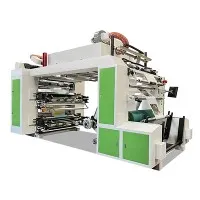
Hey there! As a supplier of Plastic Film Printing Machines, I often get asked about the best types of inks for these machines. It's a crucial question because the right ink can make a huge difference in the quality and durability of the prints on plastic film. In this blog, I'll share some insights on the different types of inks suitable for plastic film printing machines.
Solvent-Based Inks
Solvent-based inks have been around for a long time and are still widely used in plastic film printing. These inks contain solvents that help them dry quickly and adhere well to plastic surfaces. The solvents evaporate during the printing process, leaving behind a solid layer of ink on the film.
One of the main advantages of solvent-based inks is their excellent print quality. They can produce sharp, vibrant colors with high saturation, making them ideal for applications where visual appeal is crucial. They also tend to have good chemical resistance, which means the prints can withstand exposure to various chemicals without fading or smudging.
However, solvent-based inks do have some drawbacks. The solvents used in these inks are often volatile organic compounds (VOCs), which can be harmful to the environment and human health if not properly managed. Additionally, the drying process of solvent-based inks can require special ventilation systems to ensure the safe removal of the solvent vapors.
If you're considering using solvent-based inks for your plastic film printing machine, make sure you have the necessary safety measures in place. You can check out our Plastic Bag Flexo Printing Machine, which is compatible with a variety of solvent-based inks and can deliver high-quality prints.
Water-Based Inks
In recent years, water-based inks have gained popularity as a more environmentally friendly alternative to solvent-based inks. These inks use water as the main solvent, which significantly reduces the emission of VOCs.
Water-based inks are also easier to clean up, as they can be removed with water and mild detergents. This makes them a convenient option for printers who want to minimize the environmental impact of their operations.
In terms of print quality, water-based inks have improved significantly over the years. They can now produce vibrant colors and sharp images on plastic film. However, they may require a longer drying time compared to solvent-based inks, especially in high-humidity environments.
To ensure optimal drying of water-based inks, you may need to invest in drying equipment such as infrared dryers or hot air blowers. Our Servo Stack Flexo Printing Machine can be equipped with advanced drying systems to handle water-based inks effectively.
UV-Curable Inks
UV-curable inks are another popular choice for plastic film printing. These inks are cured by exposure to ultraviolet (UV) light, which causes the ink to harden and adhere to the plastic surface.
One of the main advantages of UV-curable inks is their fast curing time. Unlike solvent-based and water-based inks, which require drying time, UV-curable inks can be cured almost instantly. This makes them ideal for high-speed printing operations.
UV-curable inks also offer excellent scratch resistance and chemical resistance, which means the prints can withstand wear and tear. They can produce high-quality, long-lasting prints with sharp details and vibrant colors.
However, UV-curable inks can be more expensive than other types of inks. Additionally, they require special UV lamps or LED curing systems, which can add to the initial investment cost. If you're looking for a high-speed printing solution with excellent print quality, our Wide Web Flexo Printing Machine can work well with UV-curable inks.

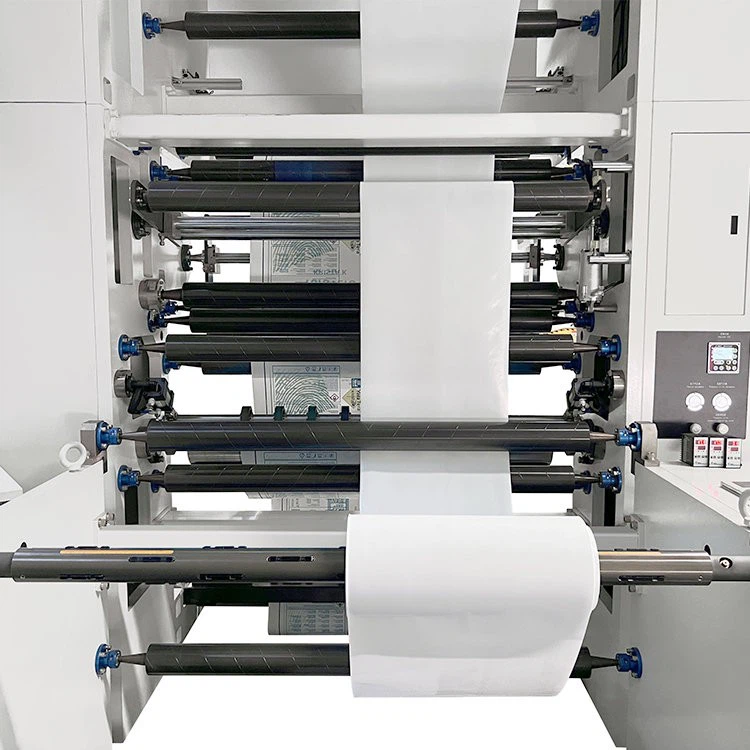
Selection Factors
When choosing the right type of ink for your plastic film printing machine, there are several factors you need to consider:
Print Quality
The quality of the print is one of the most important factors. You want to choose an ink that can produce sharp, vibrant colors and high-resolution images. Consider the type of plastic film you're using and the specific requirements of your printing project.
Drying Time
The drying time of the ink can affect your production efficiency. If you have a high-volume printing operation, you may want to choose an ink with a fast drying time. On the other hand, if you have more time for drying, you can consider inks that offer other advantages such as environmental friendliness.
Environmental Impact
In today's world, environmental considerations are becoming increasingly important. If you're concerned about the environmental impact of your printing operations, you may want to choose water-based or UV-curable inks, which have lower VOC emissions compared to solvent-based inks.
Cost
The cost of the ink is also a significant factor. Solvent-based inks are generally more affordable, while UV-curable inks tend to be more expensive. You need to balance the cost with the desired print quality and other factors.
Conclusion
Choosing the right type of ink for your plastic film printing machine is crucial for achieving high-quality prints and maximizing your production efficiency. Solvent-based inks offer excellent print quality but have environmental concerns. Water-based inks are more environmentally friendly but may require longer drying times. UV-curable inks provide fast curing and excellent durability but come at a higher cost.
By considering factors such as print quality, drying time, environmental impact, and cost, you can make an informed decision and select the ink that best suits your needs. If you have any questions or need further advice on choosing the right ink for your plastic film printing machine, feel free to reach out to us. We're here to help you get the best results for your printing projects.
References
- Smith, J. (2020). The Basics of Plastic Film Printing. Printing Press, Inc.
- Johnson, A. (2021). Environmental Considerations in Printing Inks. Green Printing Journal.
- Brown, C. (2019). UV-Curable Inks: A New Era in Printing. Ink Technology Magazine.