If you’ve ever shopped around for a flexographic (flexo) machine, you know how overwhelming it can feel. There are so many options, specs, and jargon thrown around that it’s easy to second-guess if you’re picking the right one for your shop. I’ve been in the flexo machine supply game for years, and I’ve helped everyone from small startups to mid-sized packaging firms find gear that actually fits their needs—not just the shiniest or cheapest one on the market. Today, I’m breaking down the real factors that matter when you’re trying to choose the right flexo press, no fancy corporate nonsense, just straight talk.
First up: figure out what you’re actually printing. That might sound obvious, but you’d be surprised how many people skip this step and end up with a machine that can’t handle their main product. Let’s break down the most common substrates (the stuff you print on) and the presses that work best for each.
If you’re in the shrink film game—think labels for food packaging, personal care products, or bulk goods—you need a press that can handle stretchy, thin, flexible material without warping or misregistering colors. Shrink film requires precise tension control and consistent ink coverage, so a common go-to here is a wide web flexo press. These are built to run wide, continuous rolls of thin film, and they have the tension systems to keep that film from stretching out mid-run. I’ve seen customers switch from older, smaller presses to a wide web flexo press and cut their shrink film waste by almost 15% because the press keeps the material tight and aligned. It’s worth noting that wide web presses aren’t one-size-fits-all, though—make sure you match the web width to the roll sizes your suppliers give you, or you’ll end up with unused space on the press that slows you down.
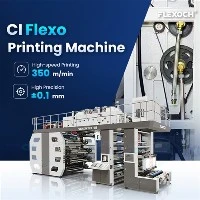
Next, if you run a production line that can’t afford downtime for roll changes—like a mid-sized packaging plant that’s cranking out 24/7— a double station non-stop CI flexographic printer is a game-changer. CI (central impression) presses are the workhorses of flexo because they hold all the rollers in perfect alignment on a single central cylinder, so colors line up dead-on. The double station non-stop feature lets you switch out empty rolls for full ones without pausing the entire line, which is a huge win for keeping your output numbers high. I’ve had clients who switched to these and reduced their downtime from 2 hours a day to 10 minutes a day—no exaggeration. That extra time means more orders filled, less overtime for your team, and more money in your pocket.
Don’t sleep on woven sacks either—those big, tough bags for fertilizer, construction materials, or pet food. Woven polypropylene sacks need a press that can handle thick, rigid, textured material without skipping ink or leaving smudges. A woven sack flexo printing machine is designed specifically for this. It has sturdier rollers and higher ink transfer capacity to get crisp, bold prints on the rough weave of the sack. I recommend testing a sample run on one of these before you buy, because some flexo presses struggle to get ink to stick to woven poly without pre-treating the material, and good woven sack presses have built-in pre-treatment units to skip that extra step.
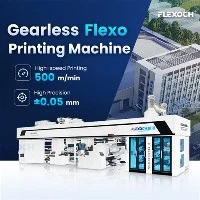
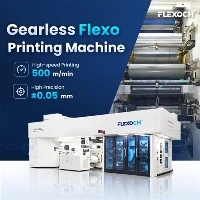
Now, let’s talk about gear vs. gearless presses—this is a debate I hear all the time, and both have their place. Traditional gear-driven presses use metal gears to align the print stations, which are reliable but can have a little more wear and tear over time, especially at high speeds. Gearless flexo printing press uses digital servo motors to control each station’s alignment, which means no gear friction, easier adjustments, and better accuracy for small, detailed prints (like barcodes or fine text on labels). The catch? Gearless presses are a bit pricier upfront, but if you do a lot of short-run, high-detail jobs, the time you save adjusting stations adds up fast. For example, if you run jobs with 6+ colors, the servo motors let you tweak each station’s position in seconds instead of minutes with gears. I usually suggest gearless for clients who mix long runs (like 10,000+ of the same label) and short runs (1,000 or less) because it adapts way quicker than gear-driven models.
One substrate that’s exploded in demand lately is paper cups—think takeout coffee cups, ice cream cups, and food containers. Paper is a different animal than film or woven sacks: it’s porous, so it needs ink that dries fast, and it’s more prone to creasing if tension is too tight. A flexo printing machine for paper cup is built with specialized features: adjustable tension that’s gentle on thin paper, UV drying systems that cure ink instantly so you don’t smudge prints when the cup is stacked, and reinforced print stations that handle the round, curved shape of cup blanks. I’ve seen a lot of coffee cup makers go from offset printing (which is slower for short runs) to these flexo machines and cut their lead times by half. Just make sure the press you pick can handle the size of cup blanks you use—some only work with small blanks, so if you do 16oz and 20oz cups, you need a press that accommodates both.
Okay, so you’ve figured out what you’re printing—now what other factors should you actually care about, beyond just substrate? Let’s get into the nitty-gritty that most salespeople won’t tell you.
First, speed vs. accuracy—there’s a balance here, and it’s not always “faster = better.” If you run long, consistent runs, a higher speed press (say, 200+ meters per minute) might save you money on labor. But if you do small jobs with tight registration (like event labels or custom cup prints), a press that maxes out at 150 meters per minute but has tighter alignment is going to give you way less waste. I had a client a couple years ago who bought a super fast press for long-run labels, then realized half their jobs were 500-label custom orders, so they were wasting half their material adjusting the fast press’s alignment. They switched to a medium-speed gearless press and their waste dropped by 8% overnight.
Next, maintenance and support. A flexo machine is a big investment, and if it breaks down, you’re losing money every day it’s not running. So ask the supplier (that’s me, by the way) about what maintenance is required, how easy it is to find replacement parts, and what kind of training they provide for your team. Some cheaper presses overseas have parts that take weeks to ship, which means your line is down for way longer than it needs to be. I offer 24/7 remote support for my presses, and my team trains your operators in person for free—no hidden fees. That’s a big one, because even the best press won’t run well if your team doesn’t know how to use it.
Another thing: future growth. Don’t just pick a press for the job you do right now—pick one that can handle jobs you might take on in the next 2-3 years. If you’re thinking of adding shrink film prints later, buy a press that can be upgraded with a wide web add-on instead of buying a whole new machine. Or if you might move into paper cups down the line, make sure the press has interchangeable stations or can be modified to handle different substrates. I’ve had clients who bought a basic CI press a couple years ago, then added a woven sack print station when they started getting those orders—saved them thousands vs. buying a whole new machine.
Wait, let’s talk about common mistakes I see people make all the time. One: overbuying. If you’re a small shop that only runs 10,000 impressions a month, don’t drop $100k on a high-speed, wide web press. You’ll never use its full capacity, and you’ll waste money on features you don’t need. Stick to a medium-speed, smaller CI press that fits your current volume, and upgrade later when you grow. Two: ignoring ink and plate compatibility. Flexo uses flexible plates and water- or solvent-based inks, so make sure the press you pick works with the type of ink you already use (or want to use). Some presses are only designed for solvent inks, which are more regulated in some areas, so if you’re in a state with strict environmental rules, a press that works with water-based ink is a must. Three: not testing the press in person. I always invite clients to come run a sample job on my presses before they buy—you can’t tell how a press handles tension or color alignment just from specs. Run a real job, see how the operator adjusts it, check for smudges or misregistered colors. That hands-on test is way more valuable than any sales pitch.
Let me wrap this up with a quick checklist you can reference when you’re ready to start shopping: 1. List your top 2-3 substrates (shrink film, woven sacks, paper cups, etc.)—that’s your starting point. 2. Decide if you need non-stop roll changes, high detail, or 24/7 speed to narrow down your press type. 3. Set a budget, but leave 10-15% extra for maintenance or upgrades you might need later. 4. Ask about support, training, and part availability—this is make-or-break for downtime. 5. Test the press in person, don’t just take sales numbers at face value.
If you’re ready to chat through what your shop actually needs—I’m here to help. Whether you’re a small startup figuring out your first press or a mid-sized plant looking to upgrade your line, I can walk you through the options, answer your questions, and even arrange a sample run on any of the presses I supply. No pressure, no sales jargon, just real advice that fits your business.
References
Flexographic Printing: A Guide to Substrates and Press Selection. Printing Industries of America. (2022)
CI Flexo Presses: Balancing Speed and Accuracy for Modern Packaging. Packaging Digest. (2023)
Gearless vs. Gear-Driven Flexo Presses: Cost vs. Performance. Label and Narrow Web. (2021)