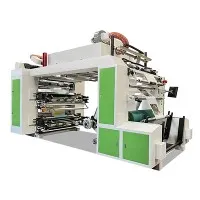
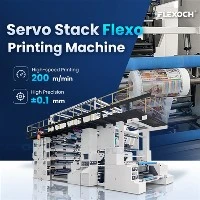
The flexographic printing press, commonly known as the flexo press, is a popular and efficient printing method widely used in the packaging industry for printing on various substrates such as paper, plastic, and cardboard. In a flexo printing press, the unwind and rewind units play crucial roles in ensuring the smooth and efficient operation of the entire printing process. As a trusted flexo printing press supplier, I am here to delve into the significance and functions of these units in the flexo printing operation.
Unwind Unit: The Starting Point of the Printing Process
The unwind unit is the starting point of the flexo printing process where the roll of substrate material is loaded and prepared for printing. It is responsible for holding the roll securely, controlling the tension of the substrate, and feeding it into the printing section at a consistent speed. The design and functionality of the unwind unit are critical for maintaining the quality of the printed product and preventing issues such as wrinkles, slack, or breaks in the substrate.
One of the primary functions of the unwind unit is to hold the roll of substrate material in place. Most modern unwind units are equipped with air expandable shafts or chucks that can securely grip the core of the roll and prevent it from slipping or shifting during the printing process. This ensures that the substrate is fed into the printing section in a straight and consistent manner, minimizing the risk of misregistration or other printing defects.

In addition to holding the roll, the unwind unit also controls the tension of the substrate as it is fed into the printing section. Maintaining proper tension is crucial for ensuring the quality of the printed product, as too much tension can cause the substrate to stretch or break, while too little tension can result in wrinkles or slack. The unwind unit typically uses a combination of brakes, motors, and sensors to adjust the tension of the substrate in real-time based on the speed of the press and the characteristics of the substrate material.
Another important function of the unwind unit is to feed the substrate into the printing section at a consistent speed. This is typically achieved using a combination of motors, gears, and belts that work together to drive the roll of substrate and ensure a steady feed rate. The speed of the unwind unit is carefully synchronized with the speed of the printing section to ensure that the substrate is printed accurately and without any smudging or misregistration.
Rewind Unit: The End Point of the Printing Process

The rewind unit is the end point of the flexo printing process where the printed substrate is collected and wound back onto a roll. It is responsible for receiving the printed substrate from the printing section, controlling the tension of the substrate, and winding it onto a core in a neat and orderly manner. The design and functionality of the rewind unit are critical for ensuring the quality of the final product and preventing issues such as coiling, telescoping, or uneven winding.
One of the primary functions of the rewind unit is to receive the printed substrate from the printing section. Most modern rewind units are equipped with a series of rollers and guides that help to guide the substrate onto the core and ensure a smooth transition from the printing section to the rewind unit. The rewind unit also typically includes a dancer arm or tension control system that helps to maintain the tension of the substrate as it is wound onto the core.
In addition to receiving the printed substrate, the rewind unit also controls the tension of the substrate as it is wound onto the core. Maintaining proper tension is crucial for ensuring the quality of the final product, as too much tension can cause the substrate to stretch or break, while too little tension can result in loose or uneven winding. The rewind unit typically uses a combination of brakes, motors, and sensors to adjust the tension of the substrate in real-time based on the speed of the press and the characteristics of the substrate material.
Another important function of the rewind unit is to wind the printed substrate onto a core in a neat and orderly manner. This is typically achieved using a combination of motors, gears, and belts that work together to drive the core and ensure a consistent winding speed. The rewind unit also typically includes a taper tension control system that helps to gradually increase the tension of the substrate as it is wound onto the core, which helps to prevent issues such as coiling or telescoping.
Importance of Unwind and Rewind Units in Flexo Printing
The unwind and rewind units play a crucial role in the overall performance and efficiency of a flexo printing press. By ensuring a smooth and consistent feed of the substrate material and a neat and orderly winding of the printed product, these units help to minimize downtime, reduce waste, and improve the quality of the final product.
One of the key benefits of having a well-designed unwind and rewind unit is the ability to maintain proper tension control throughout the printing process. As mentioned earlier, maintaining proper tension is crucial for ensuring the quality of the printed product, as too much or too little tension can lead to a variety of printing defects. By using a combination of brakes, motors, and sensors, the unwind and rewind units can adjust the tension of the substrate in real-time based on the speed of the press and the characteristics of the substrate material, ensuring a consistent and high-quality print.
Another benefit of having a well-designed unwind and rewind unit is the ability to handle a wide range of substrate materials and widths. Modern flexo printing presses are capable of printing on a variety of substrates, including paper, plastic, and cardboard, and can handle substrates of different widths and thicknesses. The unwind and rewind units are designed to be adjustable and flexible, allowing them to accommodate different types of substrates and ensure a smooth and efficient printing process.
In addition to improving the quality of the printed product, the unwind and rewind units also help to increase the productivity and efficiency of the flexo printing press. By reducing downtime and waste, these units can help to increase the throughput of the press and improve the overall profitability of the printing operation. The unwind and rewind units also typically include features such as automatic splicing and roll changing, which further improve the efficiency of the press and reduce the need for manual intervention.
Our Flexo Printing Press Solutions
As a leading flexo printing press supplier, we offer a wide range of high-quality flexo printing presses that are equipped with advanced unwind and rewind units. Our presses are designed to meet the diverse needs of the packaging industry and are capable of printing on a variety of substrates, including paper, plastic, and cardboard.
One of our popular products is the Gearless Flexo Printing Machine, which features a gearless design that offers improved accuracy, efficiency, and flexibility. The gearless design eliminates the need for gears and reduces the number of moving parts, which helps to improve the reliability and maintenance of the press. The unwind and rewind units of our gearless flexo printing machine are equipped with advanced tension control systems that ensure a smooth and consistent feed of the substrate material and a neat and orderly winding of the printed product.
Another popular product is the Woven Sack Flexo Printing Machine, which is specifically designed for printing on woven sacks. Our woven sack flexo printing machine is equipped with a high-speed unwind and rewind unit that can handle large rolls of woven sack material and ensure a fast and efficient printing process. The unwind and rewind units of our woven sack flexo printing machine are also equipped with advanced tension control systems that help to prevent wrinkles, slack, and other printing defects.
We also offer a Gearless flexo printing press that features a gearless design and advanced servo control system. The gearless design of our flexo printing press offers improved accuracy, efficiency, and flexibility, while the advanced servo control system ensures a precise and consistent printing process. The unwind and rewind units of our gearless flexo printing press are equipped with advanced tension control systems that help to maintain the quality of the printed product and prevent issues such as coiling, telescoping, or uneven winding.
Conclusion
In conclusion, the unwind and rewind units play a crucial role in the overall performance and efficiency of a flexo printing press. By ensuring a smooth and consistent feed of the substrate material and a neat and orderly winding of the printed product, these units help to minimize downtime, reduce waste, and improve the quality of the final product. As a leading flexo printing press supplier, we offer a wide range of high-quality flexo printing presses that are equipped with advanced unwind and rewind units. Our presses are designed to meet the diverse needs of the packaging industry and are capable of printing on a variety of substrates, including paper, plastic, and cardboard. If you are interested in learning more about our flexo printing press solutions or have any questions about the role of the unwind and rewind units in a flexo printing press, please feel free to contact us. We would be happy to assist you with your printing needs and provide you with the information and support you need to make an informed decision.


References
- "Flexographic Printing Technology" by Joseph M. Gannon
- "Handbook of Flexographic Printing" by George W. E. Milski
- "Flexo 101: A Beginner's Guide to Flexographic Printing" by Flexographic Technical Association