What is the function of the ink viscosity control system in a Plastic Film Flexo Printing Machine?
As a supplier of Plastic Film Flexo Printing Machines, I've witnessed firsthand the crucial role that every component plays in achieving high - quality printing results. Among these components, the ink viscosity control system stands out as a key factor in ensuring the efficiency, consistency, and overall success of the printing process.
Understanding Ink Viscosity in Flexo Printing
In flexo printing, ink viscosity refers to the thickness or resistance to flow of the ink. It is a fundamental property that significantly affects how the ink is transferred from the printing plate to the plastic film. If the ink is too viscous, it may not flow smoothly through the ink channels and anilox roller, resulting in poor ink transfer, uneven printing, and potential clogging of the printing plates. On the other hand, if the ink is too thin, it can lead to ink spreading, blurring of printed images, and reduced color density.
For instance, in a typical 8 Color Flexo Printing Machine, each color station requires precise ink viscosity control to maintain the correct color balance and sharpness of the printed design. The same principle applies to a Non Woven Flexo Printing Machine, where the nature of the non - woven material also demands accurate ink management.

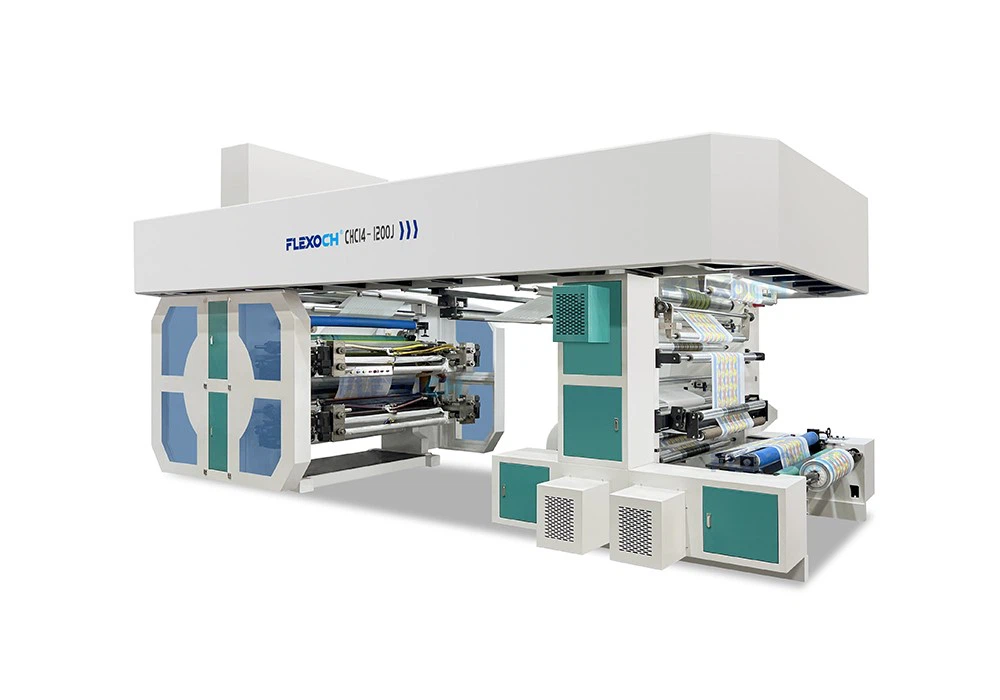
The Functions of the Ink Viscosity Control System
1. Maintaining Consistent Print Quality
One of the primary functions of the ink viscosity control system is to maintain a constant ink viscosity throughout the printing process. This consistency is essential for producing uniform and high - quality prints. By continuously monitoring and adjusting the ink viscosity, the system ensures that the same amount of ink is transferred to the plastic film at every print impression.
For example, in a 4 Color Flexo Printing Machine, consistent ink viscosity helps to achieve accurate color registration. This means that the different colors align perfectly on the plastic film, creating a sharp and vibrant final print. Without proper viscosity control, color misregistration can occur, leading to a distorted and unprofessional - looking print.
2. Improving Printing Efficiency
The ink viscosity control system also plays a significant role in improving printing efficiency. When the ink viscosity is well - maintained, the printing process can run smoothly without frequent interruptions. This reduces the time and effort spent on troubleshooting issues such as ink clogging or uneven printing.
Moreover, the system can automatically adjust the ink viscosity based on the printing speed and environmental conditions. For example, as the printing speed increases, the ink may need to have a lower viscosity to ensure proper transfer. The viscosity control system can detect these changes and make the necessary adjustments in real - time, allowing the printing machine to operate at optimal speed and productivity.
3. Reducing Ink Waste
Another important function of the ink viscosity control system is to reduce ink waste. In a flexo printing process, incorrect ink viscosity can lead to over - or under - application of ink. Over - application results in excessive ink usage, which not only increases costs but also requires additional cleaning and maintenance of the printing machine. Under - application, on the other hand, may lead to reprinting of defective products, further increasing ink consumption.
By maintaining the correct ink viscosity, the system ensures that the right amount of ink is used for each print job. This not only saves on ink costs but also reduces the environmental impact associated with ink waste.
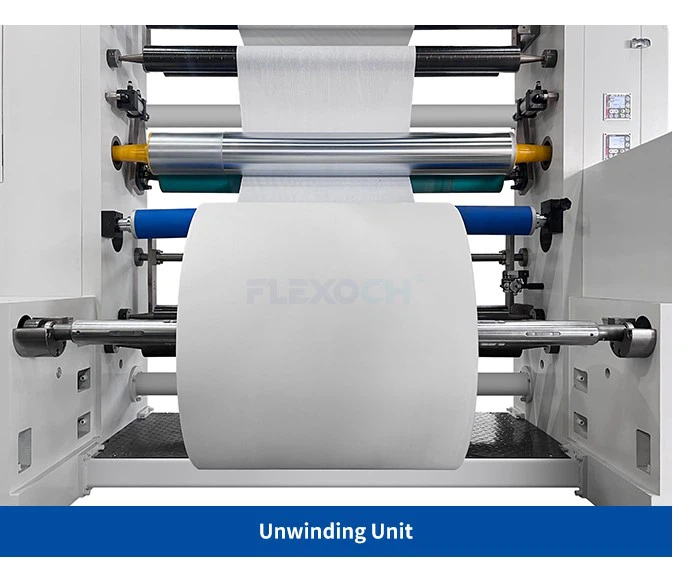


4. Adapting to Different Printing Conditions
Plastic film flexo printing often takes place under various environmental conditions, such as temperature and humidity changes. These factors can have a significant impact on ink viscosity. For example, as the temperature rises, the ink tends to become thinner, while lower temperatures can cause the ink to thicken.
The ink viscosity control system is designed to adapt to these changes. It can measure the current viscosity of the ink and add solvents or other additives to adjust the viscosity as needed. This allows the printing machine to produce consistent results regardless of the external environment.

How the Ink Viscosity Control System Works
The ink viscosity control system typically consists of a viscosity sensor, a control unit, and a solvent addition mechanism. The viscosity sensor continuously measures the viscosity of the ink in the ink fountain or circulation system. It sends this information to the control unit, which compares the measured viscosity with the set target viscosity.
If the measured viscosity is higher or lower than the target, the control unit activates the solvent addition mechanism. This mechanism adds the appropriate amount of solvent to the ink to bring the viscosity back to the desired level. The process is repeated continuously throughout the printing process to ensure that the ink viscosity remains stable.
Conclusion
In conclusion, the ink viscosity control system is an indispensable part of a Plastic Film Flexo Printing Machine. Its functions of maintaining consistent print quality, improving printing efficiency, reducing ink waste, and adapting to different printing conditions make it a critical component for achieving successful printing results.
If you are in the market for a high - quality Plastic Film Flexo Printing Machine or want to learn more about how our machines can benefit your business, we encourage you to reach out to us for procurement and further discussion. Our team of experts is ready to provide you with detailed information and support to help you make the best decision for your printing needs.
References
- Smith, J. (2018). "Advanced Flexo Printing Technologies." Printing Industry Press.
- Johnson, L. (2019). "Ink Management in Flexo Printing." Printing Solutions Journal.