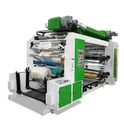
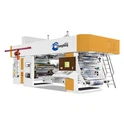
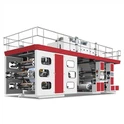
As a supplier of Film Flexo Printing Machines, I understand the critical role that proper storage of printing plates plays in maintaining the quality and longevity of the printing process. In this blog post, I will share some scientific and practical tips on how to store the printing plates for a Film Flexo Printing Machine.
Understanding the Importance of Proper Plate Storage
Printing plates are the heart of the flexo printing process. They carry the image that will be transferred onto the film. Improper storage can lead to various issues such as plate deformation, scratches, chemical degradation, and contamination, all of which can significantly affect the print quality. By storing the plates correctly, you can ensure consistent print results, reduce waste, and extend the lifespan of the plates.
Pre - Storage Preparation
Before storing the printing plates, it is essential to clean them thoroughly. Residual ink, solvents, and debris on the plates can cause damage over time. Use a mild, plate - friendly cleaning solution and a soft brush to gently remove all contaminants. Rinse the plates with clean water and dry them completely using a lint - free cloth. This step not only removes potential sources of damage but also helps in preventing the growth of mold or bacteria during storage.
Ideal Storage Conditions
Temperature and Humidity
The storage environment should have a stable temperature and humidity level. For flexo printing plates, a temperature range of 20 - 25°C (68 - 77°F) is ideal. Extreme temperatures can cause the plates to expand or contract, leading to distortion. High humidity can promote the growth of mold and corrosion, while low humidity can make the plates brittle. Aim for a relative humidity level between 40% - 60%. Using a dehumidifier or a humidifier in the storage area can help maintain these conditions.
Light Exposure
Printing plates are sensitive to light, especially ultraviolet (UV) light. Prolonged exposure to UV light can cause the plates to harden and lose their flexibility. Store the plates in a dark or low - light environment. If possible, use opaque storage containers or cover the plates with light - blocking materials.
Air Quality
The air in the storage area should be clean and free from dust, chemicals, and fumes. Dust particles can scratch the plates, and chemicals or fumes can react with the plate materials. Consider using air filters in the storage room to maintain good air quality.
Storage Methods
Vertical Storage
Storing the plates vertically is often the best option. This method helps prevent warping and distortion. You can use plate racks specifically designed for flexo printing plates. These racks hold the plates in an upright position, allowing air to circulate around them. Make sure the racks are sturdy and that the plates are securely held to prevent them from falling or sliding.
Horizontal Storage
If vertical storage is not possible, horizontal storage can be used. However, when storing plates horizontally, place them on a flat, smooth surface. Use a soft, non - abrasive material such as foam or felt between the plates to prevent scratching. Avoid stacking too many plates on top of each other, as the weight can cause deformation.


Storage Containers
For individual or small - quantity plate storage, plastic or metal containers can be used. These containers should be clean, dry, and have a tight - fitting lid to protect the plates from dust, light, and moisture. Label the containers clearly with information about the plate, such as the job name, date of production, and plate dimensions.
Handling During Storage
Minimize Handling
Excessive handling of the plates during storage can increase the risk of damage. Only handle the plates when necessary, and always use clean, dry hands or gloves. Avoid touching the printing surface of the plates to prevent fingerprints and smudges.
Regular Inspections
Periodically inspect the stored plates for any signs of damage, such as scratches, cracks, or discoloration. Early detection of problems can allow for timely repairs or replacements, preventing issues during the printing process.
Related Products and Their Impact on Plate Storage
As a Film Flexo Printing Machine supplier, we offer a range of products such as the Slitter Stack Type Flexo Printing Machine, stack type flexo printing machine, and Stack Press. These machines are designed to work with high - quality printing plates. Proper plate storage is crucial for ensuring the optimal performance of these machines. For example, well - stored plates will provide consistent ink transfer, resulting in sharp and clear prints on the film.
Conclusion
Proper storage of printing plates for a Film Flexo Printing Machine is a multi - faceted process that requires attention to detail. By following the guidelines on pre - storage preparation, maintaining ideal storage conditions, choosing the right storage methods, and handling the plates carefully, you can ensure the longevity and quality of your printing plates. This, in turn, will lead to better print results, reduced costs, and increased efficiency in your printing operations.
If you are interested in learning more about our Film Flexo Printing Machines or need further advice on plate storage, we encourage you to contact us for a procurement discussion. Our team of experts is ready to assist you in finding the best solutions for your printing needs.
References
- "Flexographic Printing Technology" by the Flexographic Technical Association
- "Principles of Flexographic Printing" by various industry experts in flexography