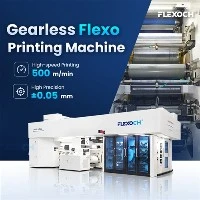
Selecting the appropriate solvents for stack flexo printing inks is a critical decision that significantly impacts the quality, efficiency, and cost - effectiveness of the printing process. As a stack flexo supplier, I understand the complexities involved in this selection and am here to share some key considerations to help you make the right choice.
Compatibility with Inks
The first and most fundamental aspect is the compatibility of the solvent with the printing inks. Different types of inks, such as water - based, solvent - based, and UV - curable inks, have distinct chemical compositions. Solvent - based inks, for example, rely on solvents to dissolve the resin and pigments, allowing for proper transfer and adhesion during the printing process.
When choosing a solvent, it must be able to dissolve the ink components effectively without causing any chemical reactions that could alter the ink's properties. For instance, some solvents may cause the ink to coagulate or separate, leading to poor print quality, such as streaks or uneven color distribution. A good practice is to consult the ink manufacturer's guidelines. They usually provide a list of recommended solvents that are known to be compatible with their specific ink formulations.

Drying Properties
The drying speed of the solvent is another crucial factor. In stack flexo printing, the printed material moves through multiple printing stations in quick succession. If the ink does not dry fast enough, it can smudge or transfer onto other parts of the printing equipment or the next layer of the printed material. On the other hand, if the solvent evaporates too quickly, it can lead to issues like clogging of the printing plates or anilox rollers.
Fast - drying solvents are suitable for high - speed printing operations where quick turnarounds are required. However, they need to be carefully balanced to avoid premature drying. Slow - drying solvents, on the contrary, are useful for more complex printing jobs where there is a need for more time to adjust the printing parameters or when dealing with thick ink layers.

Environmental and Health Considerations
In today's environmentally conscious world, the environmental and health impacts of solvents cannot be ignored. Many traditional solvents, such as some volatile organic compounds (VOCs), are known to contribute to air pollution and can have adverse health effects on workers. As a stack flexo supplier, I recommend considering eco - friendly alternatives.
Water - based solvents are an excellent option as they have low VOC emissions and are generally less harmful to the environment and human health. They are also easier to clean up, which can reduce the overall cost of the printing process. Additionally, there are some bio - based solvents derived from renewable resources that are gaining popularity in the printing industry. These solvents offer similar performance to traditional solvents while being more sustainable.
Printing Substrate
The type of substrate being printed on also plays a significant role in solvent selection. Different substrates, such as plastic, kraft paper, and PP woven bags, have different surface properties and absorption characteristics.
For Plastic Bag Flexo Printing Machine, the solvent needs to be able to adhere well to the plastic surface without causing any damage or deformation. Plastic substrates often require solvents with good wetting properties to ensure proper ink transfer.
When using a Kraft Paper Printing Machine, the solvent should be able to penetrate the porous surface of the kraft paper to ensure good ink absorption and adhesion. Solvents with moderate evaporation rates are usually preferred to prevent the ink from drying too quickly on the paper surface.
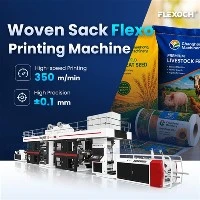
In the case of Pp Woven Bag Printing Machine, the solvent needs to be able to coat the woven fibers evenly. The solvent should also have good flexibility to accommodate the movement and bending of the woven bags without causing the ink to crack or peel off.
Cost - Effectiveness
Cost is always a consideration in any business operation. While it may be tempting to choose the cheapest solvent available, it is important to balance cost with performance. A low - cost solvent that causes frequent printing defects or requires additional processing steps to correct those defects may end up being more expensive in the long run.
It is advisable to calculate the total cost of using a particular solvent, including the cost of the solvent itself, the cost of any additional equipment or processes required due to its use, and the cost of potential quality issues. Sometimes, investing in a slightly more expensive but high - performance solvent can lead to significant savings in terms of improved print quality, reduced waste, and increased productivity.
Solvent Recovery and Recycling
Another aspect to consider is the possibility of solvent recovery and recycling. Some solvents can be recovered from the printing process through techniques such as distillation. This not only reduces the cost of purchasing new solvents but also minimizes the environmental impact by reducing waste.
If your printing operation has the capacity to implement a solvent recovery system, it is worth considering solvents that are suitable for this process. However, it is important to note that solvent recovery requires specialized equipment and expertise, so a cost - benefit analysis should be conducted before making a decision.
Compatibility with Printing Equipment
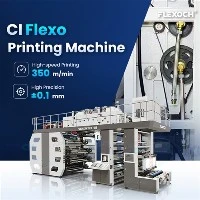
The solvent must also be compatible with the stack flexo printing equipment. Some solvents may cause corrosion or damage to the printing plates, anilox rollers, or other components of the printing machine. It is essential to consult the equipment manufacturer's recommendations to ensure that the chosen solvent will not have a negative impact on the equipment's performance and lifespan.
In conclusion, selecting the appropriate solvents for stack flexo printing inks is a multi - faceted decision that requires careful consideration of various factors. By taking into account the compatibility with inks, drying properties, environmental and health impacts, printing substrate, cost - effectiveness, solvent recovery, and compatibility with printing equipment, you can make an informed choice that will optimize your printing process.
If you are interested in learning more about stack flexo printing inks and solvents or are looking to purchase high - quality stack flexo printing equipment, we invite you to contact us for a detailed discussion. Our team of experts is ready to assist you in finding the best solutions for your specific printing needs.


References
- Smith, J. (2018). "Advances in Flexographic Printing Inks and Solvents". Journal of Printing Technology, 25(3), 45 - 56.
- Johnson, A. (2019). "Environmental Considerations in Solvent Selection for Printing Processes". Environmental Printing Journal, 12(2), 67 - 78.
- Brown, C. (2020). "Optimizing Solvent Use in Stack Flexo Printing". Printing Industry Review, 30(4), 89 - 98.