Hey there! I'm a supplier of stack flexo printing machines, and I've been in this industry for quite a while. One question that often pops up from our customers is about the effect of humidity on stack flexo printing. So, I thought I'd share my insights on this topic.
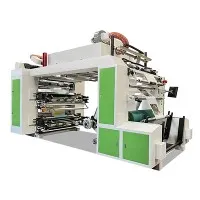
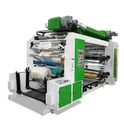
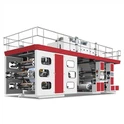
First off, let's understand what stack flexo printing is. It's a popular printing method where multiple printing units are stacked on top of each other. You can check out our Stack Press for a better idea of how it looks and works. This type of printing is used for a variety of materials, like labels, packaging, and more.
Now, humidity can have a significant impact on the stack flexo printing process. When the humidity is too high, it can cause a few problems. For starters, the ink might not dry properly. In flexo printing, the ink needs to dry quickly so that the printed image stays sharp and doesn't smudge. High humidity slows down the evaporation of the solvents in the ink, which means the ink takes longer to dry. This can lead to issues like ink transfer between layers, where the wet ink from one layer sticks to the next one during the printing process.
Another problem with high humidity is that it can affect the substrate. The substrate is the material that you're printing on, like paper or plastic. Many substrates absorb moisture from the air when the humidity is high. This can cause the substrate to expand or warp, which messes up the registration of the print. Registration is how well the different colors line up on the substrate. If the substrate is warped, the colors won't line up correctly, and you'll end up with a blurry or misaligned print.
On the other hand, low humidity can also be a hassle. When the air is too dry, the ink can dry too quickly. This is especially true for water - based inks, which rely on the evaporation of water to dry. In a low - humidity environment, the water in the ink evaporates so fast that it can clog the anilox roll, which is a key component in the flexo printing process. The anilox roll transfers the ink from the ink fountain to the printing plate. If it gets clogged, the ink won't be transferred evenly, and you'll get inconsistent prints with patches of missing ink.
Low humidity can also make the substrate brittle. For example, paper can become more prone to cracking or tearing. This is a big problem because it can lead to jams in the printing machine and waste a lot of material.
Let's talk about how humidity affects the different components of a stack type flexo printing machine. The printing plates are sensitive to humidity. They're usually made of a polymer material, and changes in humidity can cause them to expand or contract. This can alter the dimensions of the image on the plate, leading to printing errors.
The rubber blankets used in some stack flexo machines can also be affected. High humidity can make the rubber softer and more prone to wear and tear. Low humidity, on the other hand, can make the rubber brittle and more likely to crack.
So, what can you do to control humidity in your printing environment? Well, the first step is to measure the humidity regularly. You can use a hygrometer to do this. Once you know the humidity levels, you can take steps to adjust them.
If the humidity is too high, you can use a dehumidifier. A dehumidifier removes moisture from the air, which helps the ink dry faster and reduces the risk of substrate warping. On the other hand, if the humidity is too low, you can use a humidifier to add moisture to the air. This can prevent the ink from drying too quickly and keep the substrate in good condition.


It's also important to store your substrates and inks in a controlled environment. Keep them in a room with stable humidity levels to prevent any pre - printing issues.
Now, let's look at some real - world examples. I had a customer who was using our Slitter Stack Type Flexo Printing Machine to print on paper labels. They were having problems with the ink not drying properly and the labels warping. After checking the humidity in their printing area, we found that it was extremely high. We recommended that they install a dehumidifier, and once they did, the quality of their prints improved significantly.
Another customer was using a water - based ink in a very dry environment. They were getting a lot of anilox roll clogs. We suggested using a humidifier to increase the humidity in the printing area, and that solved the problem.
In conclusion, humidity plays a crucial role in stack flexo printing. Whether it's too high or too low, it can cause a range of problems that affect the quality of your prints. By measuring and controlling the humidity in your printing environment, you can ensure that your stack flexo printing process runs smoothly and that you get high - quality prints every time.
If you're in the market for a stack flexo printing machine or have any questions about how to deal with humidity in your printing process, don't hesitate to reach out. We're here to help you get the best results from your printing operations.
References:
- Flexographic Printing Technical Association (FTA) publications on printing environment control
- Industry research papers on the impact of environmental factors on flexo printing