Wear and tear is an inevitable aspect of any machinery, and non woven flexo printing machines are no exception. As a supplier of these machines, I've witnessed firsthand how the continuous operation of these complex systems can lead to degradation of key components over time. Understanding the wear and tear of these components is crucial for maintaining the efficiency, quality, and longevity of the printing process.
1. Anilox Rolls
Anilox rolls are a cornerstone in flexo printing, especially in non woven applications. These rolls are responsible for metering the ink onto the printing plates. They are typically made of a steel or aluminum core with a ceramic coating, which is engraved with tiny cells to hold and transfer the ink.
Over time, the ceramic coating on anilox rolls can wear down. The constant contact with doctor blades, which scrape off excess ink, can cause abrasion. Additionally, the presence of contaminants in the ink, such as pigments or debris, can act as abrasives, accelerating the wear process. As the coating wears, the volume of the engraved cells changes, leading to inconsistent ink transfer. This can result in uneven print quality, with areas of lighter or darker color on the non woven material.
To mitigate this wear, regular cleaning is essential. Using appropriate cleaning agents and methods can help remove contaminants without damaging the ceramic coating. Additionally, proper doctor blade selection and adjustment can reduce the abrasive forces on the anilox roll. When the wear becomes excessive, re - engraving or replacing the anilox roll may be necessary.
2. Printing Plates
Printing plates in non woven flexo printing machines are usually made of photopolymer materials. These plates carry the image that will be transferred onto the non woven substrate.
The main cause of wear in printing plates is the mechanical stress during the printing process. As the plate comes into contact with the anilox roll and the non woven material, it experiences friction and pressure. This can lead to the gradual wearing away of the surface of the plate, especially in high - pressure areas. The printing plate can also be damaged by sharp edges on the anilox roll or other components in the machine.
Another factor contributing to wear is exposure to chemicals. The inks used in flexo printing often contain solvents and other chemicals that can interact with the photopolymer material of the plate. Over time, this chemical exposure can cause the plate to swell, crack, or lose its dimensional stability.
To extend the life of printing plates, operators should ensure proper mounting and registration to minimize mechanical stress. Using high - quality inks and suitable cleaning solutions can also reduce chemical damage. When a plate shows significant wear or damage, it should be replaced to maintain print quality.
3. Doctor Blades
Doctor blades play a critical role in controlling the amount of ink on the anilox roll. These blades are typically made of materials such as steel, plastic, or composite materials.
The wear of doctor blades is mainly due to the friction with the anilox roll. The constant scraping action to remove excess ink causes the blade edge to gradually wear down. If the blade is not properly adjusted, it can put uneven pressure on the anilox roll, leading to accelerated wear in certain areas.
Contaminants in the ink can also cause premature wear of doctor blades. Hard particles in the ink can act as abrasives, cutting into the blade edge. This can lead to uneven ink distribution and streaking on the printed non woven material.
Regular inspection of doctor blades is necessary to detect signs of wear. Blades should be replaced when the edge becomes dull or damaged. Proper blade installation and adjustment are also crucial to ensure even wear and optimal ink metering.
4. Impression Cylinders
Impression cylinders are responsible for applying pressure to transfer the ink from the printing plate to the non woven substrate. These cylinders are usually large, heavy - duty components made of steel or other strong materials.
Wear on impression cylinders can occur due to the high pressure and frictional forces during the printing process. The repeated contact with the printing plate and the non woven material can cause the surface of the cylinder to become rough or develop small dents and scratches. This can lead to uneven pressure distribution, resulting in inconsistent print quality.
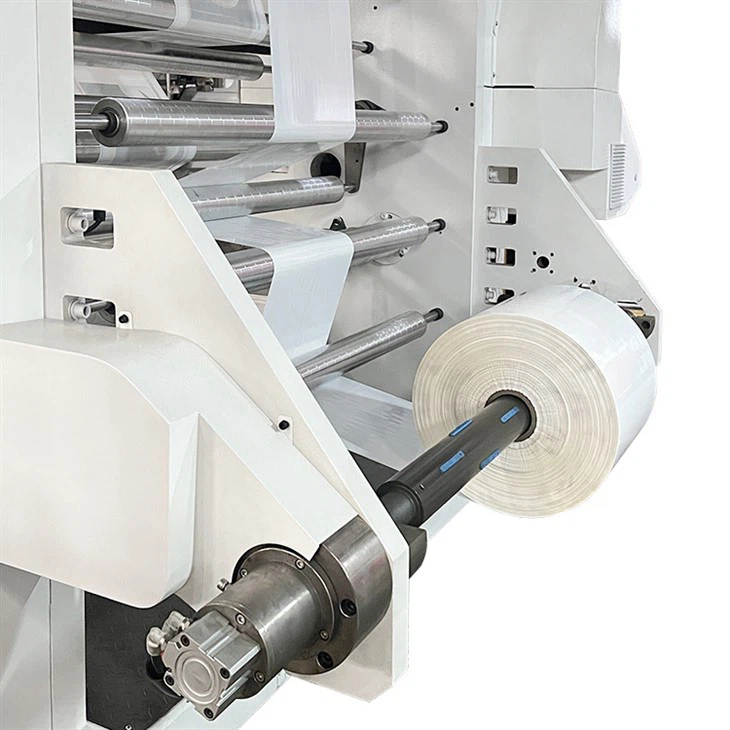
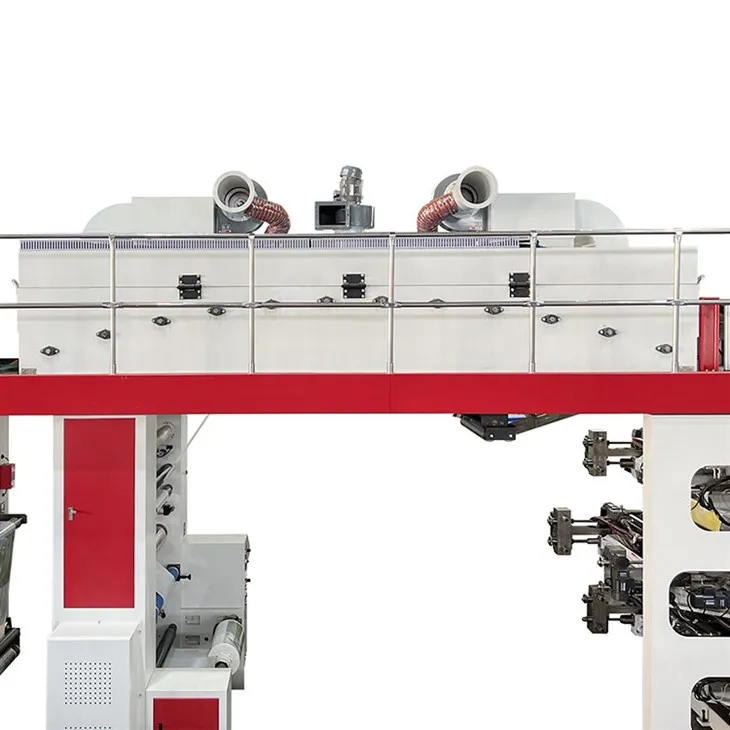
Another source of wear is the accumulation of ink and debris on the cylinder surface. If not cleaned regularly, this build - up can harden and cause further abrasion to the cylinder and other components in contact with it.
To prevent excessive wear, impression cylinders should be cleaned regularly using appropriate cleaning methods. Operators should also monitor the pressure settings to ensure they are within the recommended range. In case of significant wear, the cylinder may need to be re - machined or replaced.
5. Drive Systems
The drive systems in non woven flexo printing machines, including motors, gears, and belts, are essential for powering the various components and ensuring smooth operation.
Motors can experience wear due to continuous operation, heat generation, and electrical stress. Over time, the bearings in the motor can wear out, leading to increased vibration and noise. This can affect the overall performance of the machine and may even cause damage to other components.
Gears and belts are subject to mechanical stress and friction. The teeth of gears can wear down, causing misalignment and reduced transmission efficiency. Belts can stretch or develop cracks, leading to slippage and inconsistent speed control.
Regular maintenance of the drive systems is crucial. This includes lubricating gears and bearings, checking belt tension, and monitoring motor performance. When signs of excessive wear are detected, components should be replaced promptly to avoid further damage.
Importance of Understanding Wear and Tear
As a supplier of non woven flexo printing machines, I emphasize the importance of understanding the wear and tear of key components to our customers. By being aware of the factors that contribute to wear, operators can take proactive measures to prevent premature damage and extend the lifespan of the machine.
Regular maintenance and inspection can help identify potential issues before they become major problems. This not only reduces downtime but also ensures consistent print quality, which is crucial for customer satisfaction.
Related Products
If you are interested in other types of flexo printing machines, we also offer a wide range of products, including Plastic Film Flexo Printing Machine, Central Impression Flexo Press, PE Film Flexo Printing Machine, Flexo Printing Machine For Paper Cup and Pp Woven Bag Flexo Printing Machine.
Conclusion
In conclusion, the wear and tear of key components in a non woven flexo printing machine is a complex issue that requires attention and proper maintenance. By understanding the causes and effects of wear on anilox rolls, printing plates, doctor blades, impression cylinders, and drive systems, operators can ensure the efficient and reliable operation of their machines.
If you are in the market for a non woven flexo printing machine or need more information about wear and tear prevention, we encourage you to contact us for a detailed discussion. We are committed to providing high - quality machines and comprehensive support to help you achieve the best results in your printing operations.
References
- Flexographic Printing Technology Handbook, various authors
- Technical papers on non woven manufacturing and printing processes from industry - leading journals.