Static electricity is a common yet troublesome issue in the operation of PE Film Flexo Printing Machines. As a leading supplier of PE Film Flexo Printing Machines, we understand the challenges that static electricity can pose to the printing process. In this blog, we will explore the causes of static electricity in these machines and provide practical solutions to prevent it, ensuring smooth and high - quality printing operations.
Understanding the Causes of Static Electricity in PE Film Flexo Printing Machines
Static electricity in PE Film Flexo Printing Machines is primarily generated through the friction between different components of the machine and the PE film. When the film moves through the machine, it rubs against rollers, belts, and other parts. This friction causes the transfer of electrons between the surfaces, resulting in a build - up of static charge.
Another contributing factor is the environmental conditions. Low humidity levels can exacerbate static electricity problems. In dry air, the charge is less likely to dissipate, allowing it to accumulate on the film and machine components. Additionally, the properties of the PE film itself, such as its surface resistivity, can influence the generation and retention of static charge.
The Negative Impacts of Static Electricity
Static electricity in a PE Film Flexo Printing Machine can lead to several problems. Firstly, it can attract dust and debris to the film surface. This not only affects the visual appearance of the printed product but also can cause defects in the printing, such as smudging or uneven ink transfer.
Secondly, static charge can cause the film to stick together, making it difficult to handle during the printing process. This can lead to jams in the machine, increasing downtime and reducing productivity. Moreover, in extreme cases, static electricity can even cause electrical discharges, which may damage sensitive electronic components in the printing machine.
Preventive Measures
1. Humidity Control
One of the most effective ways to prevent static electricity is to control the humidity in the printing environment. By maintaining a relative humidity level between 40% and 60%, the air can conduct static charge more effectively, reducing its build - up on the film and machine parts. Humidifiers can be installed in the printing area to increase the humidity, especially in dry climates or during the winter months.
2. Anti - Static Devices
There are various anti - static devices available that can be installed on the PE Film Flexo Printing Machine. For example, ionizers work by emitting ions into the air. These ions neutralize the static charge on the film and machine surfaces. There are two main types of ionizers: corona ionizers and radioactive ionizers. Corona ionizers are more commonly used in industrial settings due to their safety and effectiveness.
Another type of anti - static device is the anti - static brush. These brushes are made of conductive materials and can be placed in contact with the film or machine components. They provide a path for the static charge to flow to the ground, preventing its accumulation.
3. Grounding
Proper grounding is essential for preventing static electricity. All metal components of the PE Film Flexo Printing Machine should be connected to a good electrical ground. This allows any static charge that builds up on the machine to be safely discharged into the ground. Grounding cables should be regularly inspected to ensure they are in good condition and properly connected.
4. Film Treatment
Some PE films can be treated to reduce their surface resistivity and thus minimize static charge generation. Anti - static coatings can be applied to the film during the manufacturing process. These coatings contain conductive materials that help to dissipate static charge. Additionally, using films with lower surface resistivity can also be an effective preventive measure.
5. Machine Design and Maintenance
The design of the PE Film Flexo Printing Machine can also play a role in preventing static electricity. Smooth surfaces and proper alignment of rollers and belts can reduce friction, which in turn reduces static charge generation. Regular maintenance of the machine is also crucial. Cleaning the rollers and other components regularly can prevent the build - up of dirt and debris, which can contribute to static electricity problems.
Our Product Offerings
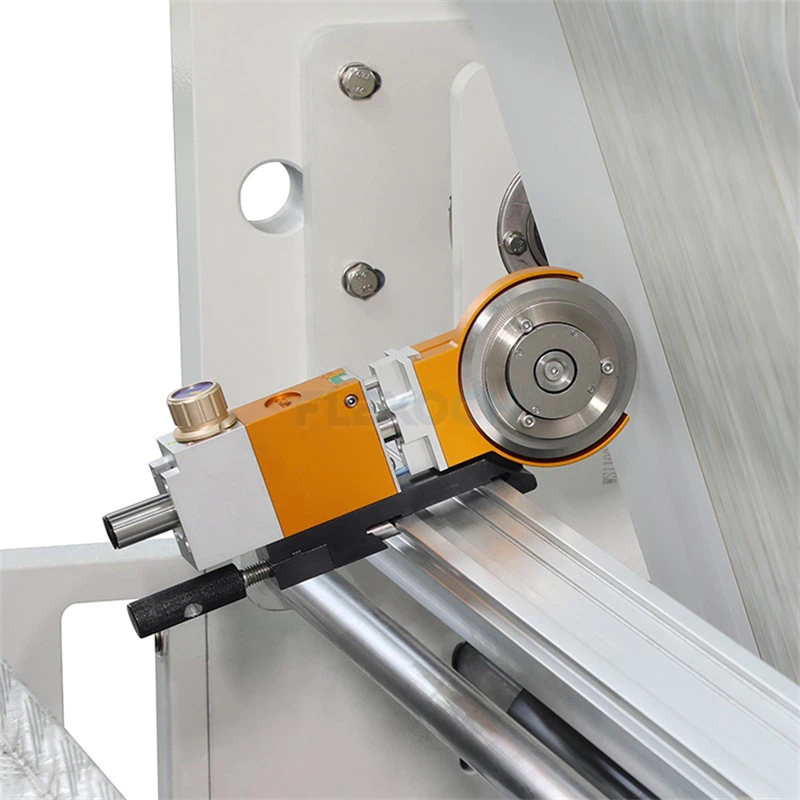
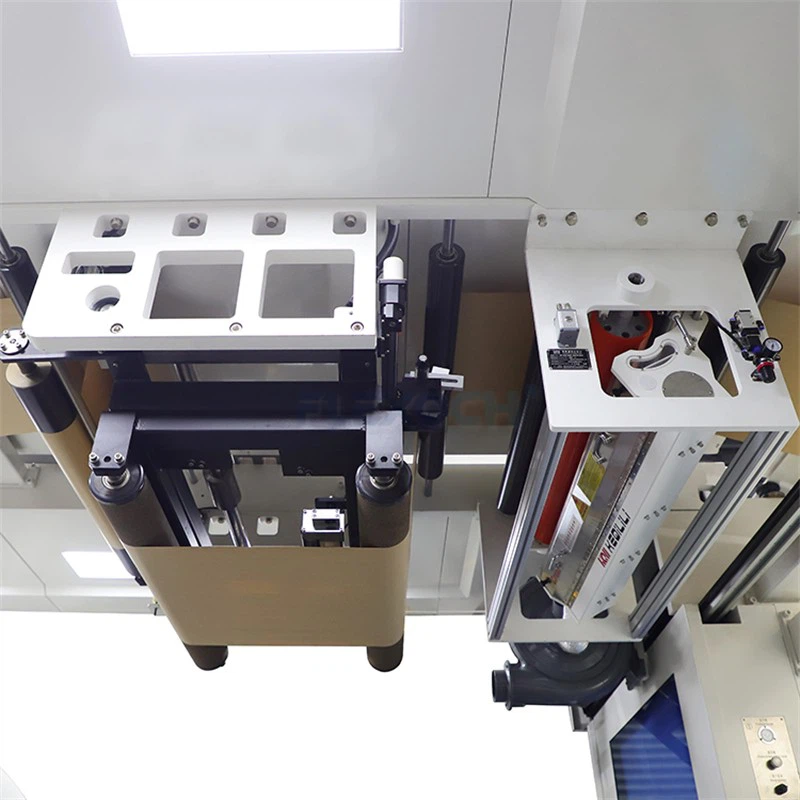
As a reliable supplier of PE Film Flexo Printing Machines, we offer a range of high - quality machines that are designed with static electricity prevention in mind. Our machines are equipped with advanced anti - static features, such as built - in ionizers and proper grounding systems.
In addition to our standard PE Film Flexo Printing Machines, we also provide other related products, such as the Paper Gearless Flexo Printing Press, the 8 Color Flexo Printing Machine, and the Gearless flexo printing press. These machines are engineered to provide efficient and high - quality printing solutions while minimizing static electricity issues.
Conclusion
Preventing static electricity in a PE Film Flexo Printing Machine is crucial for ensuring smooth operation, high - quality printing, and long - term machine reliability. By understanding the causes and impacts of static electricity and implementing the preventive measures outlined in this blog, printers can significantly reduce the problems associated with static charge.
If you are interested in our PE Film Flexo Printing Machines or other related products, we invite you to contact us for more information and to discuss your specific printing needs. Our team of experts is ready to assist you in finding the best solutions for your business.
References
- "Industrial Static Electricity: Causes, Effects, and Control" by John D. Murphy
- "Flexographic Printing Technology" by the Flexographic Technical Association