Training your operators to use a flexographic press isn't rocket science, but it does take time, patience, and a well - thought - out plan. As a flexographic press supplier, I've seen firsthand how proper training can make a huge difference in the efficiency and quality of your printing operations. In this blog, I'll share some tips on how you can train your operators to use a flexographic press like pros.
1. Start with the Basics
Before you dive into the nitty - gritty of operating the press, it's important to make sure your operators understand the fundamental concepts of flexographic printing. You can begin with an overview of what flexography is and how it works. Explain that flexography is a form of relief printing where ink is transferred from a printing plate to the substrate. This involves a series of rollers, including an anilox roller that meters the ink, and a printing plate roller that transfers the ink to the material.
Show them different types of flexographic presses that we offer, like the Double Station Non - stop CI Flexographic Printer, Woven Sack Flexo Printing Machine, CI Flexo Machine, Drum Flexo Printing Machine, and Central Drum Flexo Printing Machine. Point out their features, advantages, and typical applications.
2. Safety First
Safety should always be a top priority when training operators. Provide comprehensive safety training that covers all aspects of working with the flexographic press. Teach them about the potential hazards, such as moving parts, ink chemicals, and electrical components.
Show them where all the safety devices are located on the press, like emergency stop buttons, safety guards, and interlocks. Make sure they know how to use personal protective equipment (PPE), such as gloves, goggles, and respirators, when handling inks and solvents. Have them sign off on a safety training checklist to ensure they understand and agree to follow all safety protocols.
3. Hands - on Training
There's no substitute for hands - on experience when it comes to learning how to operate a flexographic press. Start with a supervised practice session where you walk your operators through the entire printing process step by step.
- Pre - press Setup: Teach them how to load the printing plates onto the plate cylinders correctly. Show them how to align the plates accurately to ensure sharp and clear images. Explain how to measure and adjust the plate height and tension for optimal printing results. Also, demonstrate how to install the anilox rollers and how to select the appropriate anilox cell volume based on the ink type and the print job requirements.
- Ink Preparation: Let them get their hands dirty (literally) with ink preparation. Show them how to mix inks to achieve the desired colors. Teach them about ink viscosity and how to adjust it using viscosity cups and thinning agents. Explain the importance of ink filtration to remove any debris or contaminants that could affect the print quality.
- Press Operation: Once the pre - press setup and ink preparation are done, it's time to start the press. Teach them how to start and stop the press safely. Show them how to adjust the press speed, impression pressure, and register controls. Walk them through the process of threading the substrate through the press, making sure it's properly aligned and tensioned.
- Troubleshooting: No matter how well you set up the press, problems can still occur. Teach your operators how to recognize common issues, such as ink streaking, poor registration, or plate wear. Show them how to diagnose the problems and take corrective actions, like adjusting the ink flow, realigning the plates, or replacing worn - out parts.
4. Simulation and Multimedia Training
In addition to hands - on training, you can also use simulation software and multimedia resources to enhance the learning experience. Simulation software allows operators to practice on a virtual flexographic press without the risk of damaging the actual equipment or wasting materials.
Multimedia resources, such as videos and online tutorials, can be a great way to reinforce the training. You can create your own training videos that show the different steps of the printing process or use the ones provided by the press manufacturer. These resources can be accessed by the operators at any time, allowing them to review the training materials at their own pace.
5. Continuous Learning and Feedback
Training doesn't end after the initial training session. Encourage your operators to keep learning and improving their skills. Provide them with opportunities for ongoing training, such as attending industry seminars, workshops, or online courses.
Regularly review the operators' performance and provide them with constructive feedback. Recognize and reward their achievements to motivate them to do better. Encourage them to share their ideas and suggestions for process improvement. A culture of continuous learning and feedback will not only improve the operators' skills but also the overall performance of your printing operations.
6. Documentation and SOPs
Create detailed operating manuals and standard operating procedures (SOPs) for your flexographic press. These documents should cover all aspects of the press operation, from pre - press setup to post - press cleaning. Make sure the SOPs are easy to understand and follow, with clear instructions and diagrams.
Keep the manuals and SOPs up - to - date as the technology and processes evolve. Provide your operators with easy access to these documents, either in print or digital form. Having well - documented procedures will ensure consistency in the press operation and make it easier to train new operators.
Linking Training to Business Success
Properly trained operators can significantly improve your business's bottom line. By reducing waste, improving print quality, and increasing productivity, you'll be able to offer better services to your customers and stay competitive in the market.
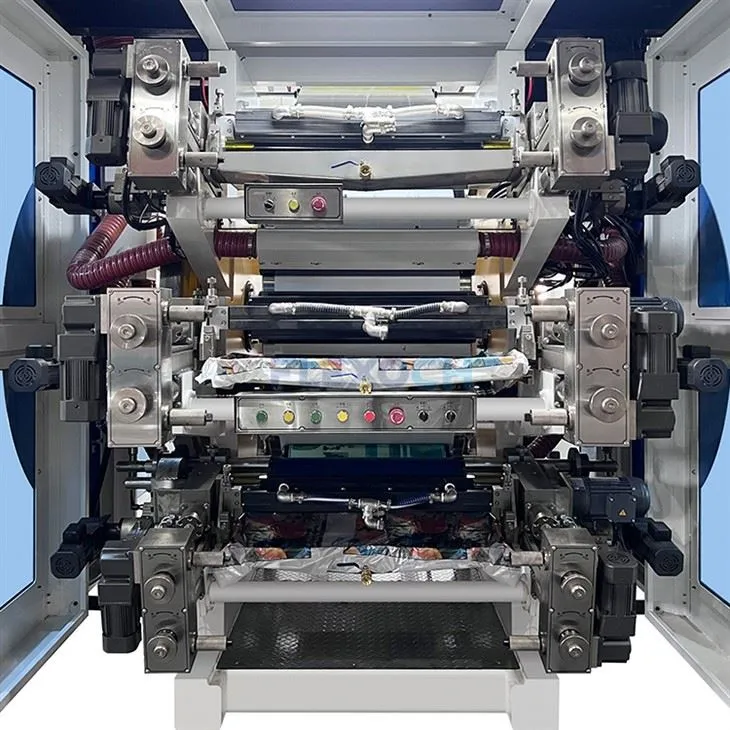
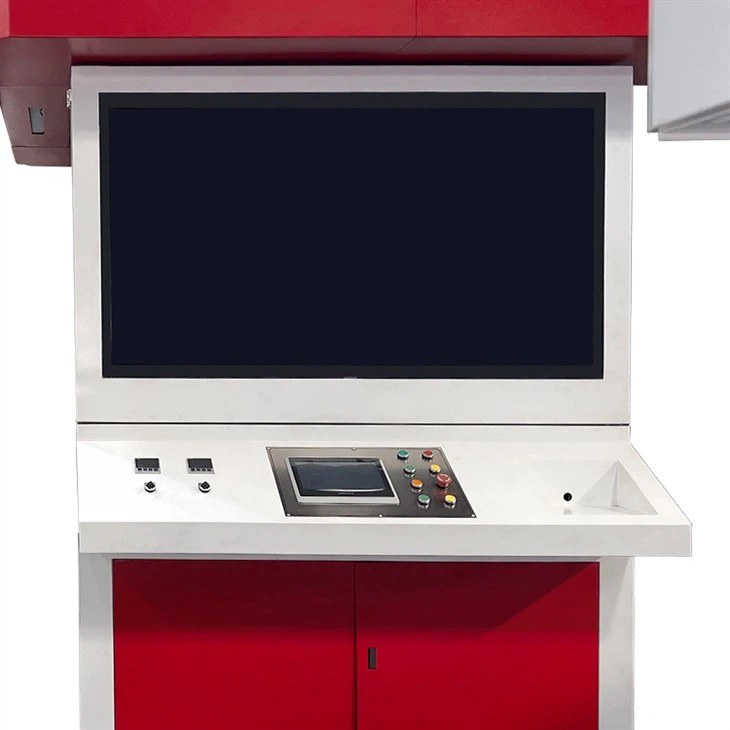
If you're considering purchasing a new flexographic press or need assistance with training your operators, don't hesitate to reach out. Our team of experts is here to help you find the right equipment for your needs and provide comprehensive training and support. Whether you're interested in the Double Station Non - stop CI Flexographic Printer, Woven Sack Flexo Printing Machine, or any other of our high - quality flexographic presses, we're ready to assist you through the entire process.
References
- Flexographic Printing Technical Association (FTA) - Industry guides on best practices for flexographic printing.
- Manufacturer's manuals for flexographic presses - In - depth information on press operation and maintenance.