Hey there, folks! I'm an inline flexo supplier, and I often get this question: "Can inline flexo print fine details?" Well, let's dive right into this topic and break it down.
Understanding Inline Flexo
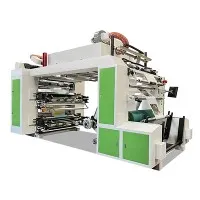
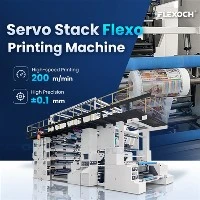
First off, let's briefly go over what inline flexo, or inline flexo as we call it, is all about. Inline flexographic printing (inline flexographic printing) is a popular method in the printing industry. It's a high - speed printing process where multiple printing units are arranged in a straight line. This allows for seamless and efficient printing on various substrates like paper, cardboard, plastic, and more.
With the increasing demand for eye - catching packaging and high - quality prints, the ability to print fine details becomes crucial. Whether it's a delicate pattern on a luxury paper bag or a crisp logo on a product label, these fine details can make a huge difference in product appeal.
The Potential of Inline Flexo for Fine Detail Printing
Inline flexo has come a long way in terms of technology. Modern presses are equipped with advanced features that enable them to handle fine detail printing. One of the key factors is the improvement in plate technology. Digital plate - making processes allow for the creation of highly detailed printing plates. These plates can accurately reproduce intricate designs, fine lines, and small text.
For example, in the case of Paper Bag Flexo Printing Machine, with the right plate and an optimized printing process, it's possible to print detailed floral patterns or complex branding elements on paper bags. The new plates can hold extremely fine details, and the inking systems of today are capable of transferring the ink precisely onto the substrate, ensuring that those details are captured accurately.


Another aspect is the control over the printing pressure. Modern inline flexo presses have sophisticated pressure - control mechanisms. This is important because too much pressure can distort the fine details, while too little pressure might result in incomplete ink transfer. With accurate pressure control, the printing unit can apply just the right amount of force to transfer the ink from the plate to the substrate, preserving the fine details of the design.
Challenges in Printing Fine Details with Inline Flexo
However, it's not all sunshine and rainbows. Printing fine details with inline flexo does come with its fair share of challenges. One of the main issues is dot gain. Dot gain refers to the spreading of the ink dots on the substrate during the printing process. When you're trying to print fine details, even a small amount of dot gain can cause the details to become blurred or lose their sharpness.
The type of substrate also plays a crucial role. Different materials have different surface properties. Porous materials like some types of paper can absorb the ink more readily, which can lead to more significant dot gain. On the other hand, non - porous materials like plastic might have issues with ink adhesion, which can also affect the quality of fine detail printing.
In addition, the speed of the printing press can be a challenge. Inline flexo is known for its high - speed operation. But when you're trying to print fine details, a very high speed might not give the ink enough time to transfer and dry properly. This can result in smudging or incomplete printing of the fine elements.
Overcoming the Challenges
To overcome the dot - gain issue, printers can use advanced screening techniques. These techniques help to control the size and shape of the ink dots during the printing process. By carefully selecting the right screening pattern, it's possible to minimize dot gain and maintain the sharpness of the fine details.
When it comes to substrate selection, it's important to choose the right material for the job. Conducting pre - press tests on different substrates can help determine which one will provide the best results for fine detail printing. Surface treatments can also be applied to improve ink adhesion and reduce dot gain on certain materials.
To deal with the speed factor, printers can adjust the press speed according to the complexity of the design. For highly detailed prints, it might be necessary to slow down the press slightly to ensure proper ink transfer and drying. Additionally, some modern presses are equipped with advanced drying systems that can quickly dry the ink, allowing for higher - speed printing without sacrificing detail quality.
Real - world Examples
Let's look at some real - world examples to see how inline flexo is performing in fine detail printing. In the food packaging industry, many companies are using inline flexo to print detailed nutritional information, product labels, and attractive packaging designs. The fine print on these labels, which often includes tiny text and detailed icons, needs to be clear and legible. Thanks to the advancements in inline flexo technology, these labels can be printed with high precision.
In the promotional products sector, custom - printed items like paper cups often feature detailed logos and designs. Inline flexo on paper cup printing machines can handle these jobs effectively. The machines can reproduce company logos, intricate patterns, and even individual names with great accuracy, making the promotional items stand out.
Conclusion
So, can inline flexo print fine details? The answer is a resounding yes! With the advancements in plate technology, pressure control, and other related features, inline flexo has the potential to print extremely fine details. However, it's not without its challenges. Dot gain, substrate issues, and press speed need to be carefully managed to achieve the best results.
If you're in the market for high - quality printing that requires fine details and are considering inline flexo, don't hesitate to reach out. We're here to help you navigate through the process and find the best solutions for your printing needs. Whether it's for paper bags, labels, or promotional items, our inline flexo technology is up to the task. Contact us today to start a discussion about your project and how we can bring your designs to life with precision and quality.


References
- Smith, J. (2020). The Evolution of Flexographic Printing. Printing Industry Journal.
- Johnson, A. (2021). Fine Detail Printing in Packaging: Challenges and Solutions. Packaging World Magazine.
- Brown, C. (2019). Advancements in Inline Flexo Technology. Printing Technology Review.