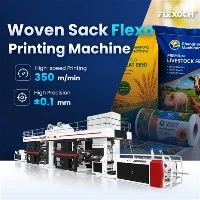
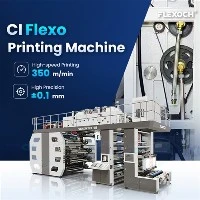
As a supplier of CI presses, I've witnessed firsthand the remarkable evolution of printing technology. The question of whether CI presses can be automated is not just a matter of technological curiosity; it's a crucial consideration for businesses looking to enhance efficiency, quality, and competitiveness in the printing industry.
The Current State of CI Presses
CI (Central Impression) presses have long been a staple in the printing world, known for their ability to produce high-quality prints with excellent registration and color consistency. These presses typically feature a large central impression cylinder around which multiple printing units are arranged. This design allows for precise control over the printing process, making them ideal for a wide range of applications, from packaging to labels.
However, traditional CI presses often rely on manual intervention for tasks such as setup, adjustment, and quality control. This can be time-consuming and prone to human error, leading to inefficiencies and increased costs. As the demand for faster production times and higher quality prints continues to grow, the need for automation in CI presses has become increasingly apparent.

The Benefits of Automating CI Presses
Automation offers a multitude of benefits for CI presses, including:
Increased Efficiency
Automated CI presses can significantly reduce setup times and increase production speeds. By automating tasks such as plate mounting, ink mixing, and register adjustment, presses can be up and running more quickly, allowing for more jobs to be completed in less time.
Improved Quality
Automation can also improve the quality of prints by reducing the risk of human error. Precise control over variables such as ink flow, pressure, and registration ensures consistent and accurate prints, resulting in higher customer satisfaction.
Cost Savings
Automating CI presses can lead to significant cost savings in the long run. By reducing labor costs and minimizing waste, businesses can improve their bottom line and remain competitive in the market.
Enhanced Safety
Automation can also improve workplace safety by reducing the need for manual intervention in potentially dangerous tasks. This can help to prevent accidents and injuries, creating a safer working environment for employees.


The Challenges of Automating CI Presses
While the benefits of automating CI presses are clear, there are also several challenges that need to be addressed. These include:
High Initial Investment
Automating CI presses requires a significant upfront investment in equipment and technology. This can be a barrier for some businesses, especially smaller ones with limited budgets.
Technical Complexity
Automation systems can be complex and require specialized knowledge and skills to operate and maintain. This can make it difficult for some businesses to implement and manage automated CI presses effectively.
Integration with Existing Systems
Integrating automated CI presses with existing production systems can be a challenge. Compatibility issues and the need for custom programming may arise, requiring additional time and resources to resolve.
Overcoming the Challenges
Despite the challenges, there are several strategies that businesses can use to overcome the obstacles to automating CI presses. These include:
Conducting a Cost-Benefit Analysis
Before investing in automation, businesses should conduct a thorough cost-benefit analysis to determine the potential return on investment. This can help to justify the upfront costs and ensure that the investment is financially viable.
Partnering with a Reputable Supplier
Working with a reputable supplier of CI presses and automation systems can help to ensure that the technology is reliable and easy to use. A good supplier will also provide training and support to help businesses get the most out of their investment.
Gradual Implementation
Rather than implementing automation all at once, businesses can consider a gradual approach. This can help to minimize disruption to production and allow employees to become familiar with the new technology over time.
Video Introduction
Examples of Automated CI Presses
There are several examples of automated CI presses available on the market today. One such example is the Gearless flexo printing press, which offers advanced automation features such as automatic plate mounting, ink mixing, and register control. Another example is the Paper Flexo Printing Machine, which is designed for high-speed printing on paper substrates and features automated systems for web handling and tension control. The 6 Color Flexo Printing Machine is also a popular choice, offering precise color control and automated features for efficient production.
Conclusion
In conclusion, the answer to the question "Can CI presses be automated?" is a resounding yes. Automation offers numerous benefits for CI presses, including increased efficiency, improved quality, cost savings, and enhanced safety. While there are challenges to overcome, with the right strategies and partnerships, businesses can successfully implement automation in their CI presses and stay competitive in the printing industry.
If you're interested in learning more about our CI presses and automation solutions, we encourage you to reach out to us to discuss your specific needs and requirements. Our team of experts is ready to help you find the right solution for your business.
References
- [Author, A. (Year). Title of the book. Publisher.]
- [Author, B. (Year). Title of the article. Journal name, Volume(Issue), Page numbers.]
- [Author, C. (Year). Title of the report. Organization name.]