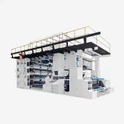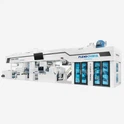
When printing on special paper, such as textured, coated, or specialty stocks, it's essential to pay extra attention to ensure that the printing process yields the desired results without damaging the paper or compromising print quality.
Paper Compatibility,Ensure that the printing press and ink used are compatible with the specific type of special paper being used. Some papers may require adjustments in ink viscosity or drying time to achieve optimal results.
Paper Handling, Handle special paper with care to avoid creasing, tearing, or smudging. Use proper techniques when loading the paper onto the press to prevent jams or misfeeds.
Ink Selection, Choose inks that are suitable for the surface and finish of the special paper. Certain coatings or textures may require specialized inks to ensure adhesion and color vibrancy.
Print Settings,Adjust print settings such as ink density, drying temperature, and print speed to accommodate the characteristics of the special paper. Experiment with test prints to find the optimal settings for achieving the desired results.
Registration and Alignment, Ensure that the paper is properly aligned and registered on the press to maintain accuracy and consistency in the printed output. Special paper may require more precise adjustments to achieve proper registration.
Drying Time, Allow sufficient drying time between printing and handling to prevent smudging or smearing, especially on coated or glossy papers. Consider using drying aids or heat lamps to expedite the drying process if necessary.
Finishing Techniques, Explore various finishing techniques such as embossing, foiling, or varnishing to enhance the appearance and texture of the printed materials on special paper.
Quality Control,Regularly inspect printed samples throughout the production run to ensure that the print quality meets the desired standards. Adjust print settings or paper handling techniques as needed to address any issues that arise.
Environmental Conditions, Maintain consistent environmental conditions, including temperature and humidity levels, to prevent warping, curling, or other adverse effects on the special paper during printing and drying.
Waste Management, Dispose of any waste materials, such as trimmings or rejected prints, in accordance with environmental regulations and recycling practices.