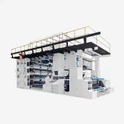
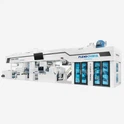
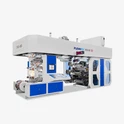
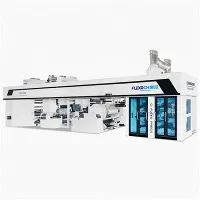
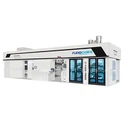
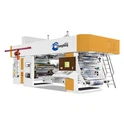
Flexography (flexo) and digital printing are two different printing technologies with distinct characteristics and applications. Here are the key differences between flexo and digital printing presses:
Printing Technology:
Flexography (Flexo): Flexo is a type of relief printing that uses flexible printing plates made of rubber or photopolymer. The inked plates transfer the image to a variety of substrates, such as paper, plastic, and packaging materials. It is a type of rotary printing where the printing plate is mounted on a cylinder.
Digital Printing: Digital printing, on the other hand, involves using digital files to directly transfer images onto a substrate without the need for traditional printing plates. Digital presses use technologies like inkjet or electrophotography to apply ink or toner onto the printing surface.
Setup and Plate Production:
Flexo: Setting up a flexo press involves creating and mounting printing plates, which can be a time-consuming process. Plate production is a significant part of the prepress setup in flexography.
Digital Printing: Digital printing eliminates the need for printing plates, making the setup process faster and more flexible. Digital presses can start printing directly from digital files, reducing the time required for preparation.
Print Quality:
Flexo: Flexography can achieve high-quality prints, especially on packaging materials. However, achieving fine details and complex color gradients may require additional effort and expertise.
Digital Printing: Digital printing excels in producing high-quality, detailed prints with variable data capabilities. It can handle intricate designs and color variations more easily, making it suitable for short runs and personalized printing.
Print Volume and Turnaround Time:
Flexo: Flexographic presses are often used for large print runs due to their efficiency once set up. However, the initial setup time may make them less suitable for short runs.
Digital Printing: Digital presses are well-suited for short to medium print runs and variable data printing. They offer quick turnaround times and are more adaptable to on-demand printing requirements.
Cost Considerations:
Flexo: While flexo presses may have higher setup costs and longer setup times, they can be more cost-effective for large print runs.
Digital Printing: Digital printing may have lower setup costs and is cost-effective for short runs. However, the per-unit cost may be higher for very large quantities compared to flexo.
Versatility:
Flexo: Flexo is versatile and can print on various substrates, making it suitable for packaging, labels, and flexible materials.
Digital Printing: Digital presses are versatile and can handle a wide range of substrates. They are particularly well-suited for variable data printing and customization.