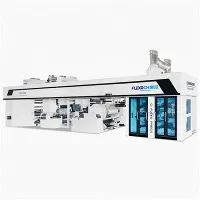
What is the difference between flexo and digital press?
Flexographic (flexo) printing and digital printing are two distinct methods used in the printing industry, each with its own characteristics and advantages. Here are the main differences between flexo and digital presses:
Printing Technology:
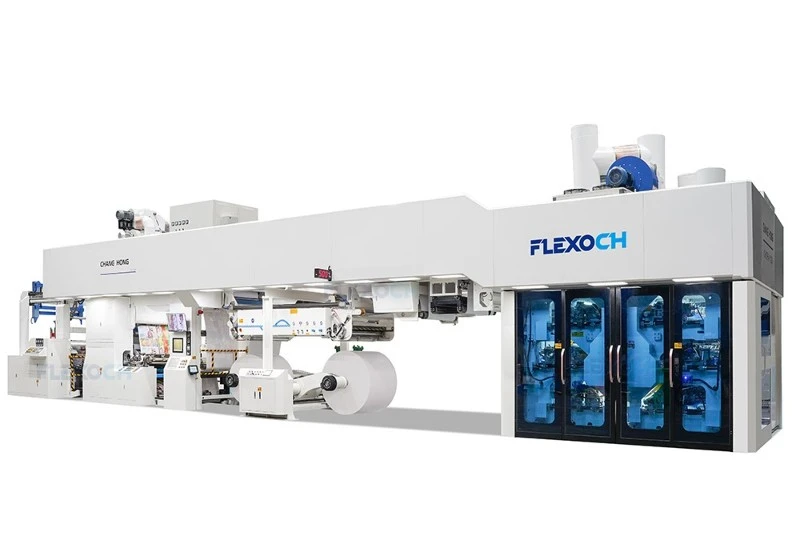
Flexographic Printing: Flexographic printing uses flexible relief plates made of rubber or photopolymer. These plates are mounted on cylinders and rotate, transferring ink onto the substrate (such as paper, cardboard, plastic, or metal). Flexo presses typically use fast-drying inks and are well-suited for printing on a variety of substrates.
Digital Printing: Digital printing involves directly transferring digital files onto the substrate without the need for plates. Digital presses use technologies like inkjet or laser to apply ink or toner onto the substrate. This process allows for variable data printing (VDP) and quick turnaround times since there is no need for plate setup.
Setup and Printing Process:
Flexographic Printing: Setting up a flexo press involves creating and mounting printing plates onto cylinders, which can take time and require skilled operators. Once set up, flexo presses can print at high speeds and are suitable for large print runs. They are versatile in terms of substrate compatibility and can handle different ink types (water-based, solvent-based, UV-curable).
Digital Printing: Digital printing does not require plates; instead, it directly prints digital files onto the substrate. This eliminates the need for lengthy setup times associated with plate-making. Digital presses are ideal for short to medium print runs and are highly flexible for on-demand or variable data printing. They offer quick job changeovers and are suitable for personalized printing.
Print Quality and Color Consistency:
Flexographic Printing: Flexo printing can achieve high-quality prints with vibrant colors and good ink coverage. However, achieving color consistency across large print runs may require careful color management and adjustments.
Digital Printing: Digital printing offers excellent print quality with sharp details and consistent color reproduction. Digital presses can handle complex color gradients and produce photo-quality images. They are particularly advantageous for jobs requiring variable data or short runs where color accuracy is crucial.
Cost Considerations:
Flexographic Printing: Initially, flexo printing may have higher setup costs due to plate-making and cylinder setup. However, for large production runs, the cost per unit decreases, making it cost-effective for high-volume printing.
Digital Printing: Digital printing excels in short runs and variable data printing without incurring setup costs associated with plates. While the cost per unit may be higher than flexo for large runs, digital printing offers cost advantages for smaller quantities or personalized prints.
Applications:
Flexographic Printing: Flexo is widely used for packaging materials (such as labels, flexible packaging, corrugated boxes), newspapers, and some specialty printing applications where high-speed production and durability are key.
Digital Printing: Digital printing is commonly used for personalized products (such as direct mail, variable data printing), short-run packaging, prototypes, signage, and on-demand printing where quick turnaround and flexibility are crucial.