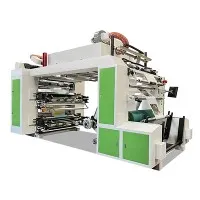
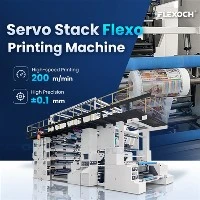
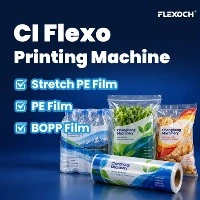
Hey there! As a supplier of PE Film Flexo Printing Machines, I often get asked about the humidity tolerance of these machines. It's a crucial factor, and understanding it can help you get the best performance from your printing setup. So, let's dive right into it.
Why Does Humidity Matter?
First off, let's talk about why humidity is such a big deal when it comes to flexo printing on PE film. PE film is a kind of plastic film, which can be pretty sensitive to changes in the environment. High humidity can make the film absorb moisture, causing it to expand and become a bit wavy. This, in turn, can lead to misregistration issues during the printing process. Misregistration means that the colors in your print don't line up correctly, which obviously isn't ideal for producing high - quality prints.
On the other hand, low humidity can lead to the film becoming dry and brittle. This makes it more likely to break during the printing process, and it can also cause static electricity to build up. Static electricity can attract dust and debris, which can get onto the printing plates and the film, and mess up the print quality.
Ideal Humidity Range for PE Film Flexo Printing Machines
In general, the ideal relative humidity range for operating a PE Film Flexo Printing Machine is between 40% and 60%. This range helps to keep the PE film in its optimal condition. When the humidity is within this range, the film retains its flexibility and stability, which is essential for accurate and consistent printing.
At around 40% humidity, the film is less likely to absorb too much moisture, so it won't expand and cause misregistration problems. And at 60%, it's not so dry that it becomes brittle and prone to breakage. Of course, different types of PE films might have slightly different optimal humidity levels, but this 40% - 60% range is a good starting point for most applications.
Effects of Humidity Outside the Ideal Range
High Humidity
When the humidity goes above 60%, you're likely to run into some issues. As I mentioned earlier, the PE film will absorb moisture. This can cause the film to stretch unevenly as it moves through the printing machine. The result is that the printed images might look distorted, and the colors won't be in the right place.
Another problem with high humidity is that it can affect the drying process of the ink. In flexo printing, the ink needs to dry quickly so that it doesn't smudge. But in a high - humidity environment, the ink takes longer to dry. This can lead to smudging, especially if the film is being rolled up or stacked right after printing.
Low Humidity
If the humidity drops below 40%, the PE film becomes dry and brittle. This makes it difficult to handle, as it can break easily. The static electricity that builds up in low - humidity conditions can also cause the film to stick together, which can jam the printing machine.
Moreover, the low humidity can affect the ink transfer. The ink might not adhere properly to the dry film, resulting in a patchy or uneven print. You might also notice that the printing plates wear out faster in a low - humidity environment because the dry film can be more abrasive.
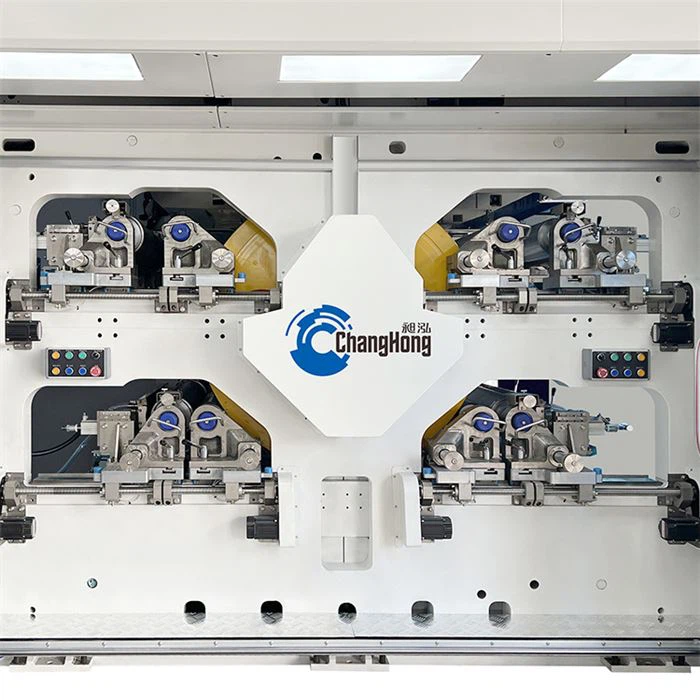

Controlling Humidity in the Printing Environment
So, how do you keep the humidity within the ideal range for your PE Film Flexo Printing Machine? Well, there are a few ways.
One option is to use a humidifier and a dehumidifier. A humidifier can add moisture to the air when the humidity is too low, while a dehumidifier can remove moisture when it's too high. You can set up these devices in the printing room and use a hygrometer to monitor the humidity levels regularly.
Another thing you can do is to insulate the printing room. This helps to keep the temperature and humidity more stable. You can also make sure that the room is properly ventilated to prevent the buildup of moisture or dry air.
Our Machines and Humidity Tolerance
At our company, we've designed our PE Film Flexo Printing Machines to be as tolerant to humidity variations as possible. However, we still recommend keeping the humidity within the 40% - 60% range for the best results.
Our Double Station Non - stop CI Flexographic Printer is equipped with advanced sensors and control systems. These systems can detect small changes in the printing environment, including humidity, and adjust the printing parameters accordingly. This helps to ensure that even if the humidity fluctuates a bit, you'll still get high - quality prints.
Similarly, our Flexo Printing Machine For Paper Cup is designed to handle a wide range of environmental conditions. It's built with durable and high - quality materials that can withstand the effects of humidity to some extent.
And if you're looking for a high - speed option, our High Speed Flexo Printing Machine is a great choice. It has a robust design that allows it to operate smoothly even when the humidity is a bit off - balance. But again, maintaining the ideal humidity range will help you get the most out of this machine in terms of print quality and productivity.
Importance of Regular Maintenance
Regular maintenance of your PE Film Flexo Printing Machine is also crucial when it comes to managing humidity effects. You should clean the machine regularly to remove any dust or debris that might have been attracted by static electricity in low - humidity conditions.
Check the printing plates and the ink system frequently. High humidity can cause the ink to clog the plates, and low humidity can make the ink dry out in the system. By keeping the machine well - maintained, you can minimize the impact of humidity on its performance.
Conclusion
In conclusion, the humidity tolerance of a PE Film Flexo Printing Machine is an important factor to consider for achieving high - quality prints. The ideal relative humidity range is between 40% and 60%. Humidity levels outside this range can cause a variety of problems, from misregistration to ink drying issues.
But don't worry! Our company offers a range of high - quality printing machines that are designed to handle different humidity conditions to some extent. These machines, like the Double Station Non - stop CI Flexographic Printer, Flexo Printing Machine For Paper Cup, and High Speed Flexo Printing Machine, are built with advanced features to ensure consistent printing results.
If you're in the market for a PE Film Flexo Printing Machine, or if you have any questions about humidity tolerance and our machines, feel free to contact us for a detailed discussion. We're here to help you make the right choice for your printing needs.
References
- "Principles of Flexographic Printing" - Various industry publications
- "Plastics Film Properties and Applications" - Research papers on the behavior of PE films in different environments