Hey there! As a supplier of PE Film Printing Machines, I've seen firsthand how crucial it is to optimize the printing process. It can save you time, money, and a whole lot of headaches. So, let's dive into how you can make your PE film printing process as efficient as possible.
Understanding the Basics of PE Film Printing
Before we start talking about optimization, let's quickly go over what PE film printing is all about. PE, or polyethylene, is a widely used plastic film known for its flexibility, durability, and moisture resistance. Printing on PE film is a common process in industries like packaging, labels, and advertising.
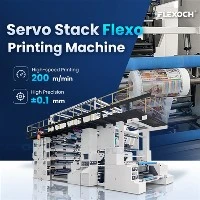
There are different types of printing machines available for PE film, such as stack type flexo printing machine. Flexography is a popular choice for PE film printing because it can handle a variety of inks and substrates, and it's relatively fast and cost - effective.


Pre - Printing Preparation
Material Selection
The first step in optimizing the printing process is choosing the right PE film. Different PE films have different properties, like thickness, surface smoothness, and chemical resistance. Make sure the film you select is compatible with the ink and the printing method you'll be using. For example, some inks may not adhere well to certain types of PE films, which can lead to poor print quality.
Ink Selection
Selecting the right ink is just as important as choosing the film. Consider factors like color fastness, drying time, and adhesion. You want an ink that will dry quickly to prevent smudging but also adhere firmly to the PE film. Some inks are specifically formulated for PE film printing, so do your research and pick the one that suits your needs best.
Machine Setup
Proper machine setup is crucial for a smooth printing process. Check the alignment of the printing plates, the tension of the film, and the pressure of the printing rollers. Misaligned plates can result in blurry or uneven prints, while incorrect film tension can cause wrinkles or stretching. Make sure all the settings are calibrated according to the specifications of the PE film and the printing job.
Printing Process Optimization
Speed Control
Finding the right printing speed is a balancing act. Printing too fast can lead to poor ink transfer and print quality issues, while printing too slow can be a waste of time and resources. Start with a moderate speed and gradually adjust it based on the results. You'll want to look for a speed at which the ink is transferred evenly and the prints are clear and sharp.
Ink Management
Keep a close eye on the ink supply during the printing process. Make sure the ink is flowing smoothly and that there are no clogs in the ink lines. Regularly check the ink viscosity, as it can affect the print quality. If the ink is too thick, it may not spread evenly; if it's too thin, it may bleed. You can use an ink viscosity cup to measure and adjust the viscosity as needed.
Quality Control
Implement a quality control system during the printing process. Regularly inspect the prints for any defects, such as color variations, streaks, or missing elements. You can use a magnifying glass or a quality control camera to get a closer look at the prints. If you notice any issues, stop the machine immediately and make the necessary adjustments.
Post - Printing Considerations
Drying and Curing
After printing, the PE film needs to be properly dried and cured. This helps the ink adhere to the film and ensures long - lasting print quality. There are different drying and curing methods available, such as air drying, heat drying, or UV curing. Choose the method that is most suitable for the ink and the PE film you're using.
Finishing
Once the prints are dry, you may need to perform some finishing operations, like cutting, laminating, or slitting. Make sure these operations are carried out carefully to avoid damaging the prints. Use sharp blades and proper equipment for cutting and slitting, and ensure that the laminating process is done under the right pressure and temperature.
Troubleshooting Common Issues
Print Defects
If you encounter print defects like blurry prints, streaks, or color variations, there are several possible causes. Blurry prints could be due to misaligned printing plates or incorrect pressure settings. Streaks may be caused by dirty printing rollers or ink flow problems. Color variations can result from inconsistent ink mixing or improper ink transfer. By identifying the root cause of the problem, you can take the appropriate steps to fix it.
Machine Malfunctions
Machines can sometimes break down or experience malfunctions during the printing process. Common issues include motor failures, roller jams, or electrical problems. Regular maintenance can help prevent these issues. Make sure to clean the machine regularly, lubricate the moving parts, and replace any worn - out components. If a malfunction does occur, have a trained technician on hand to diagnose and repair the problem as quickly as possible.
Other Types of Printing Machines for Related Applications
Partial detailed pictures are shown


Other Types of Printing Machines for Related Applications
Other Types of Printing Machines for Related Applications
Conclusion
Optimizing the printing process of a PE film printing machine is a multi - step process that involves careful planning, proper setup, and continuous monitoring. By following the tips and techniques outlined in this blog, you can improve the print quality, increase the efficiency of your printing operations, and reduce costs.
If you're interested in purchasing a PE film printing machine or have any questions about optimizing your printing process, don't hesitate to reach out. We're here to help you make the most of your printing operations.
References
- "Flexography: Principles and Practices" by the Flexographic Technical Association
- "Plastic Films: Technology and Packaging Applications" by Wilmer A. Jenkins and James P. Harrington