As a seasoned provider of inline flexo printing solutions, I understand the critical importance of achieving even ink distribution in the inline flexo printing process. In this blog, I'll share some in - depth insights and practical strategies to ensure optimal ink distribution, which is essential for high - quality printing results.
Understanding the Basics of Inline Flexo Printing
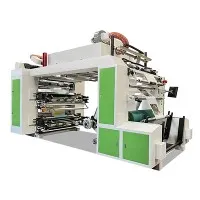
Inline flexo printing is a popular and efficient printing method used in various industries, including packaging. It involves the transfer of ink from a flexible printing plate to the substrate. The term inline flexo refers to a setup where multiple printing stations are arranged in a linear sequence, allowing for continuous and rapid printing.
The process starts with the ink being transferred from an ink fountain to an anilox roll. The anilox roll, which has tiny cells on its surface, meters the amount of ink. The ink is then transferred from the anilox roll to the printing plate, which has the image to be printed. Finally, the ink is transferred from the printing plate to the substrate.
Factors Affecting Ink Distribution
Several factors can influence the evenness of ink distribution in inline flexo printing.
1. Anilox Roll Condition
The anilox roll is the heart of the ink - metering system. Over time, the cells on the anilox roll can become clogged with dried ink, debris, or pigments. A clogged anilox roll cannot transfer ink evenly, resulting in inconsistent print quality. The surface roughness and cell geometry of the anilox roll also play a crucial role. Any damage to the anilox roll, such as scratches or dents, can cause uneven ink pick - up and transfer.
2. Ink Viscosity
Ink viscosity is a measure of its resistance to flow. If the ink is too thick, it may not flow smoothly through the anilox roll cells and onto the printing plate. This can lead to areas of heavy ink deposit and areas with insufficient ink. On the other hand, if the ink is too thin, it may spread too much, causing blurry images and poor definition. Maintaining the correct ink viscosity is essential for even ink distribution.
3. Printing Plate Quality
The quality of the printing plate is another important factor. A damaged or worn - out printing plate may not pick up ink evenly from the anilox roll. Imperfections in the plate, such as cracks or uneven surface, can cause variations in ink transfer. Additionally, the hardness of the printing plate can affect ink distribution. A plate that is too hard may not conform well to the substrate, resulting in uneven ink transfer.
4. Substrate Characteristics
The nature of the substrate also impacts ink distribution. Different substrates have different surface energies, absorbencies, and smoothness. For example, a porous substrate may absorb ink more quickly, which can lead to uneven drying and ink distribution. A rough - surfaced substrate may cause the printing plate to make uneven contact, resulting in inconsistent ink transfer.
Strategies for Ensuring Even Ink Distribution
1. Anilox Roll Maintenance
Regular cleaning of the anilox roll is essential. There are several methods for cleaning anilox rolls, including ultrasonic cleaning, chemical cleaning, and mechanical cleaning. Ultrasonic cleaning uses high - frequency sound waves to dislodge dirt and ink from the anilox cells. Chemical cleaning involves using specialized cleaning agents to dissolve the dried ink. Mechanical cleaning, such as brushing, can be used to remove larger debris.
It is also important to inspect the anilox roll regularly for damage. If any damage is detected, the anilox roll should be repaired or replaced immediately. Additionally, proper storage of the anilox roll when not in use can prevent damage and clogging.
2. Ink Viscosity Control
Monitoring and adjusting ink viscosity is crucial. This can be done using a viscometer, which measures the viscosity of the ink. If the ink viscosity is too high, solvents can be added to thin the ink. If it is too low, thickeners can be added. It is important to note that the addition of solvents or thickeners should be done gradually, and the ink should be thoroughly mixed after each addition.
Temperature also affects ink viscosity. As the temperature increases, the ink viscosity decreases. Therefore, it is important to maintain a consistent temperature in the printing environment.
3. Printing Plate Selection and Maintenance
When selecting a printing plate, consider the type of substrate and the printing requirements. Choose a plate with the appropriate hardness and surface quality. Regularly inspect the printing plate for damage and replace it when necessary. Cleaning the printing plate after each use can also help maintain its performance.
4. Substrate Preparation
Pre - treating the substrate can improve ink distribution. For example, corona treatment can increase the surface energy of the substrate, making it more receptive to ink. This can result in better ink adhesion and more even distribution. Additionally, ensuring that the substrate is clean and free of dust and debris before printing can prevent uneven ink transfer.
5. Machine Settings Optimization
Proper adjustment of the printing machine settings is also important. This includes adjusting the pressure between the anilox roll and the printing plate, and between the printing plate and the substrate. The pressure should be evenly distributed across the entire width of the printing area. Incorrect pressure settings can cause uneven ink transfer.


The Role of Advanced Technology
In recent years, advanced technologies have been developed to improve ink distribution in inline flexo printing. For example, some modern inline flexo printing machines are equipped with automated ink - control systems. These systems can continuously monitor and adjust the ink flow, viscosity, and pressure, ensuring consistent and even ink distribution.
Another technological advancement is the use of digital printing plates. Digital plates can be produced with high precision, resulting in more accurate ink transfer. They also offer better durability and resistance to wear and tear.
Conclusion
Ensuring even ink distribution in inline flexo printing is a complex but achievable goal. By understanding the factors that affect ink distribution and implementing the strategies outlined above, high - quality and consistent printing results can be achieved.
As a leading provider of inline flexographic printing solutions, we are committed to helping our customers overcome the challenges associated with ink distribution. Our Paper Bag Flexo Printing Machine and other inline flexo products are designed with the latest technology to ensure optimal ink distribution and print quality.
If you are interested in learning more about our inline flexo printing solutions or have any questions regarding ink distribution in your printing process, we encourage you to reach out to us. Our team of experts is ready to assist you in achieving the best possible printing results.
References
- "Flexographic Printing Technology" by Miles River Press
- "The Handbook of Flexographic Printing" by Thieme GmbH & Co. KG