Hey there! As a supplier of gearless flexo printing presses, I'm super stoked to break down how the control system of these amazing machines works. Gearless flexo printing presses have revolutionized the printing industry, offering high - precision, efficient, and flexible printing solutions. So, let's dive right in!
The Basics of a Gearless Flexo Printing Press
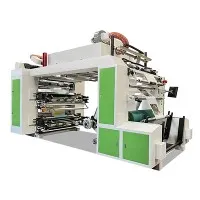
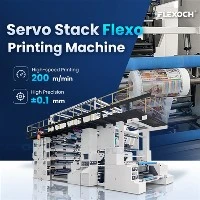
Before we get into the control system, let's quickly touch on what a gearless flexo printing press is. It's a type of printing machine that uses flexible relief plates to transfer ink onto various substrates like paper, plastic, or cardboard. Unlike traditional presses with gears, gearless presses use independent servo - motors for each printing unit. This setup allows for greater flexibility and accuracy in the printing process.
We offer different types of gearless flexo printing presses, such as the Wide Web Flexo Press, Paper Gearless Flexo Printing Press, and Central Impression Flexo Press. Each of these has its unique features and is suitable for different printing applications.
The Core of the Control System: Servo - Motors
The heart of the control system in a gearless flexo printing press is the servo - motor. These motors are responsible for driving each printing unit independently. Unlike regular motors, servo - motors can precisely control the position, speed, and torque.
In a gearless flexo press, each servo - motor is connected to a controller. The controller sends signals to the motor based on the printing requirements. For example, if you're printing a multi - color design, the controller will adjust the speed and position of each motor to ensure that the colors are perfectly aligned.
The servo - motors also allow for quick and easy changes in the printing process. Let's say you want to switch from printing one design to another. With a gearless press, you can simply input the new parameters into the controller, and the servo - motors will adjust accordingly. This saves a lot of time and reduces waste.
The Role of the Controller
The controller is like the brain of the control system. It's responsible for coordinating all the functions of the printing press. There are different types of controllers used in gearless flexo printing presses, but most of them are based on programmable logic controllers (PLCs) or motion controllers.

The controller receives input from various sensors placed throughout the press. These sensors can detect things like the position of the substrate, the amount of ink on the plate, and the speed of the printing units. Based on this information, the controller makes real - time adjustments to the servo - motors and other components of the press.
For instance, if a sensor detects that the substrate is starting to drift off - center, the controller will send a signal to the servo - motor to correct the position. This ensures that the printing is always accurate and consistent.
Sensor Technology
Sensors play a crucial role in the control system of a gearless flexo printing press. They provide the controller with the information it needs to make informed decisions. There are several types of sensors used in these presses:
- Position Sensors: These sensors are used to determine the position of the printing units, the substrate, and other moving parts. They can be optical sensors, magnetic sensors, or encoder sensors. Position sensors are essential for ensuring that the colors are properly registered and that the printing is aligned correctly.
- Ink Sensors: Ink sensors are used to monitor the amount of ink on the plate and in the ink fountain. They can detect if the ink level is too low or too high and send a signal to the controller to adjust the ink supply. This helps to maintain consistent print quality.
- Speed Sensors: Speed sensors measure the speed of the printing units and the substrate. They ensure that all the units are running at the same speed and that the substrate is moving at the correct rate. If there's a speed mismatch, the controller can make adjustments to keep everything in sync.
Human - Machine Interface (HMI)
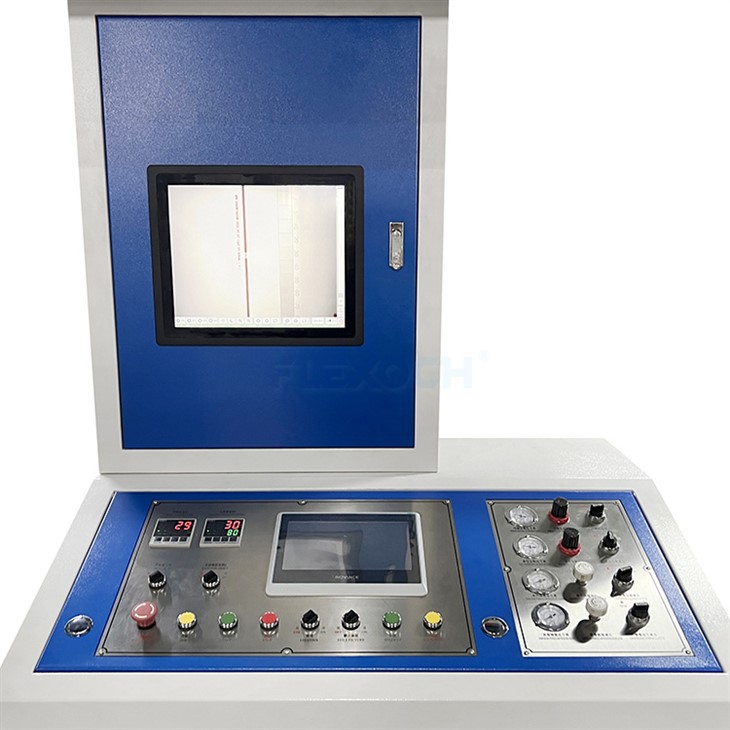
The human - machine interface (HMI) is the user - friendly part of the control system. It allows operators to interact with the printing press and input the printing parameters. The HMI is usually a touch - screen panel located on the control console of the press.
Through the HMI, operators can set things like the printing speed, the number of colors, and the design to be printed. They can also monitor the status of the press, such as the temperature, the ink levels, and the performance of the servo - motors.
The HMI also provides diagnostic information. If there's a problem with the press, the HMI will display an error message and guide the operator through the troubleshooting process. This makes it easier for operators to maintain and repair the press.
Communication Networks
In modern gearless flexo printing presses, communication networks are used to connect all the components of the control system. These networks allow for the seamless transfer of data between the controller, the sensors, the servo - motors, and the HMI.
The most common communication networks used in these presses are Ethernet and fieldbus systems. Ethernet is a high - speed network that can transfer large amounts of data quickly. Fieldbus systems, on the other hand, are designed for industrial applications and are more reliable in harsh environments.
The communication network ensures that all the components of the control system are working together in harmony. It allows for real - time monitoring and control of the press, which is essential for achieving high - quality printing results.
Benefits of the Control System
The control system of a gearless flexo printing press offers several benefits:
- High Precision: The independent servo - motors and the advanced control algorithms allow for extremely precise printing. This is especially important for printing high - quality graphics and detailed designs.
- Flexibility: The ability to change the printing parameters quickly and easily makes gearless presses very flexible. They can be used for a wide range of printing applications, from small - scale jobs to large - scale production runs.
- Efficiency: The real - time monitoring and adjustment capabilities of the control system reduce waste and increase productivity. The press can run at optimal speeds and with minimal downtime.
- Ease of Use: The HMI makes it easy for operators to control and maintain the press. Even operators with limited technical knowledge can quickly learn how to use the press.
Wrapping Up and Next Steps
In conclusion, the control system of a gearless flexo printing press is a complex but highly effective system that enables high - quality, efficient, and flexible printing. The combination of servo - motors, controllers, sensors, HMI, and communication networks work together to ensure that the press operates at its best.
If you're in the market for a gearless flexo printing press, we'd love to have a chat with you. Our team of experts can help you choose the right press for your specific needs and provide you with all the support you need. Whether you're looking for a Wide Web Flexo Press, Paper Gearless Flexo Printing Press, or Central Impression Flexo Press, we've got you covered.
So, don't hesitate to reach out and start the conversation about your printing needs. We're here to help you take your printing business to the next level!
References
- "Flexographic Printing Technology" by the Flexographic Technical Association
- "Motion Control Handbook" by Peter Nachtwey