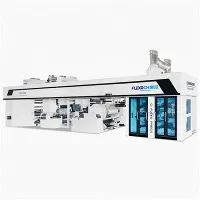
Flexographic printing technology stands out for its flexibility and adaptability, making it widely used in packaging, label, and commercial printing. Below, we'll break down two mainstream configurations of monochrome flexographic printing machines-inline-type and CI-type -in clear, practical terms.


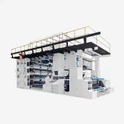
1. Inline-Type Monochrome Flexographic Printing Machines
The inline-type monochrome flexo printing press is a highly flexible setup, perfect for small-batch, multi-variety jobs thanks to its customizable design and smooth process integration.
Flexible Setup & Auxiliary Integration: You can easily add auxiliary equipment based on specific needs, such as glazing units, precision die-cutting stations or laminating modules. This "build-to-order" style eliminates redundant processes and boosts production efficiency.
Post-Press Compatibility: It supports one-stop production-right after printing, you can perform UV glazing or precision die-cutting directly on the same line. UV glazing specifically helps surface gloss and scratch resistance, so there's no need to move materials between different machines.
Easy Operation & Maintenance: It has a simplified mechanical structure with modular components, making operation intuitive and maintenance hassle-free. For example, swapping print plates or ink rollers takes only a few minutes. It also comes with a surface tension measurement function-you can use a dyne pen to test the substrate's surface tension.


Material Versatility: It's mainly designed for rigid substrates like sheet paper, paperboard and corrugated board. For flexible printing needs, you can pair it with unwinding and rewinding units to handle web-based substrates such as self-adhesive paper and newspaper stock.
Now, inline-type designs align with industry trends: high-speed multi-color printing components have achieved advanced standardization, key parts like ink rollers and tension control systems are highly generalized to lower replacement costs, and product models are fully serialized to cover substrate widths from 300 to 1500 millimeters.
Video Introduction
2. CI-Type (Also Called central impression-Type) Monochrome Flexographic Printing Machines
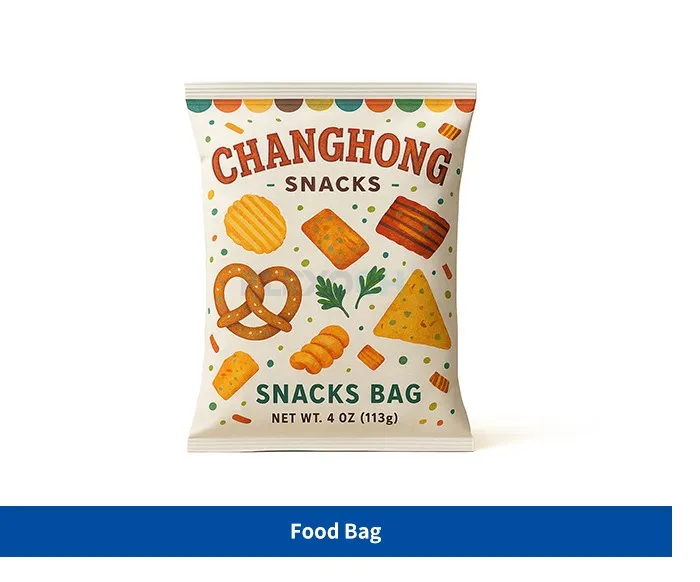
The CI-type monochrome flexo printing press is specialized for thin-film printing, with a central impression drum as its core component. This "ci" layout makes it ideal for high-volume flexible packaging production, such as snack wrappers and plastic shopping bags.
Core "ci" Structure: A large-diameter central impression drum sits at the machine's center, with its surface to enhance wear resistance. Around this drum, 2 to 8 independent printing units are arranged in a ci pattern. Unlike inline presses where substrates pass through separate press rollers, the film here wraps tightly around the central drum-this avoids tension fluctuations that easily stretch or wrinkle thin films, which typically have a thickness between 20 and 150 micrometers.
Streamlined Workflow: Its workflow is optimized for continuous film processing without manual material handling. First, the film roll is loaded onto the unwinding unit, where a tension controller ensures stable feeding. You can add a corona treatment module if needed to slightly etch the film surface, which improves ink adhesion for low-surface-tension films like polypropylene. Next, the film wraps around the central drum and undergoes monochrome printing, then moves to a hot-air or infrared drying tunnel for quick ink setting. After that, it enters the sealing module for longitudinal hot-air sealing, and finally goes through slitting and rewinding to form finished rolls.


Key Advantages: It does really well with two-sided patterned packaging-its registration precision is strong, keeping errors within ±0.1 millimeters, which is way more accurate than inline Flexo printing presses. It's fast too, running at 150 to 300 meters per minute. When printing on film, it's 2 to 3 times quicker than inline models, so it's a good fit for non-stop high-volume production. Plus, it works with all kinds of films-things like polyethylene, polypropylene, aluminum-plated film, and even biodegradable PLA film are all manageable.
Video Introduction
In summary, inline-type and CI-type monochrome flexographic printing machines each excel in their respective application scenarios-inline models shine for small-batch, multi-variety jobs with flexible process matching (like paper or corrugated board printing), while CI models stand out in high-volume thin-film packaging production (such as snack wrappers or plastic bags) with their precision and speed. When choosing between them, the key lies in aligning the machine's strengths with your actual production needs: whether you prioritize customizable processes and easy maintenance, or require high-speed, accurate printing for continuous film workflows. Both configurations leverage the core advantages of flexographic technology-strong material adaptability, stable print quality, and efficient operation-to help businesses streamline production, reduce unnecessary costs, and meet the diverse demands of packaging and label markets. For enterprises looking to upgrade their printing equipment or expand production capabilities, these monochrome flexographic presses offer reliable, practical solutions that balance performance and usability.
Printing Sample