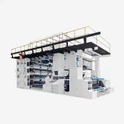
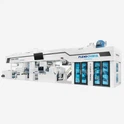
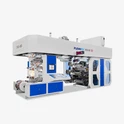
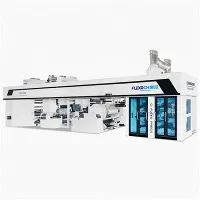
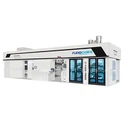
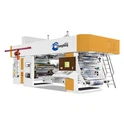
The stack type flexo printing machine as a crucial piece of equipment in the packaging and printing industry, is widely favored for its high efficiency and flexibility. Its operational stability directly impacts production efficiency and product quality. Below is a systematic solution to address common issues such as jamming and downtime, helping printing enterprises improve equipment operational efficiency.
I. Common Causes of Malfunctions
Equipment abnormalities primarily stem from the following aspects:
1.Mechanical System Issues:As the core component of the stack type flexo printing machine, wear and tear from long-term operation is the most common problem. The wear of key parts such as gears, bearings, and guide rails directly affects the smooth operation of the equipment. Especially during high-speed operation, minor mechanical deviations can be amplified, leading to noticeable vibrations and noise.


2.Control System Issues:Precise tension control is critical for ensuring the quality of flexographic printing. Fluctuations in unwinding tension, printing tension, or rewinding tension can affect registration accuracy or even cause the equipment to shut down. Common tension-related issues include decreased sensor sensitivity, brake wear, and control system parameter drift.
3.Process System Issues:Abnormal ink parameters are a major source of problems during the operation of stack type flexo printing machine. Issues such as excessively high or low ink viscosity, clogged anilox rollers, or incorrect doctor blade angles can impact print quality. Particularly when printing fine patterns, even minor ink system irregularities can be magnified.
4.Substrate Material Issues:Problems such as uneven material thickness, insufficient surface tension, or edge damage can lead to feeding issues. Especially during high-speed operation, material defects are more likely to trigger protective shutdowns.
II. Optimization Solutions
1.Establish a Preventive Maintenance System:Implementing a tiered maintenance system-including daily inspections, periodic servicing, and professional overhauls-is fundamental to ensuring stable stack flexo press operation. Systematic maintenance can significantly reduce failure rates. Key measures include regular lubrication replacement and inspections of critical components like gears and guide rails. Additionally, maintaining detailed equipment operation records is essential.
2.Enhance Tension Control:Standardize tension adjustment procedures and conduct regular system calibrations. Equipping the machine with an intelligent control system can effectively improve tension stability and reduce related malfunctions. A parameter database for different substrate materials should also be established.


3.Develop Specialized Process Standards:Create dedicated process specifications for flexographic press machine, covering viscosity control, anilox roller cleaning, and doctor blade maintenance. Standardized operations can greatly reduce process-related failures.
4.Improve Material Pre-Treatment:Implement strict incoming material inspection protocols to check substrate thickness uniformity and surface quality. Maintain stable workshop conditions and use auxiliary devices such as static eliminators to ensure smooth material feeding.

Anilox Roller

Chamber Doctor Blade
By implementing these measures, enterprises can quickly improve flexographic press machine efficiency, lower upkeep expenditures, and strengthen their competitive edge. The key lies in establishing systematic management mechanisms and ensuring the thorough execution of all measures.
Product