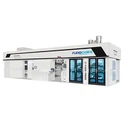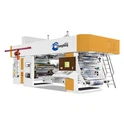
In the actual production of CI (Central Impression) flexographic printing machines, color inconsistency is a common yet highly disruptive issue. It occurs more prominently in high-speed continuous printing for food packaging, daily chemical packaging, and plastic film applications. Unstable color tones not only ruin the visual uniformity of printed products but also lead to accumulated color deviation during continuous production. This increases material waste, complicates quality control, and compromises final delivery quality. Therefore, systematically analyzing the root causes and proposing targeted solutions is critical to boosting production stability and printing quality.
I. Main Causes of Color Inconsistency in CI Flexographic Printing Machines
1.Ink Viscosity Fluctuation:When running at high production speeds, solvent in the ink evaporates rapidly. This directly alters ink viscosity, changes the actual ink transfer amount, and triggers obvious color differences even with unchanged parameter settings.
2.Unmatched Printing Pressure and Roller Aging:Incorrect pressure calibration or long-term wear of printing rollers will result in uneven ink coating on substrates. This makes print density unstable throughout the production run and causes inconsistent color performance.
3.Substrate Tension Unsteadiness:Flexible materials such as PE, BOPP and CPP are sensitive to tension changes. Unstable tension easily leads to substrate stretching and deformation, damages dot reproduction accuracy, and eventually brings about color shifting.
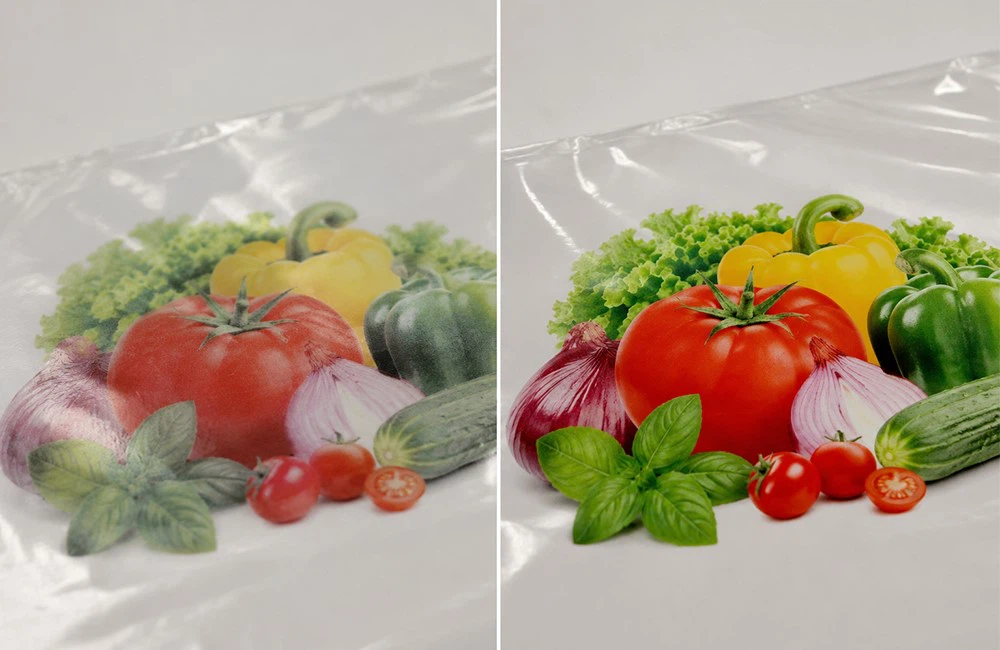
4.Anilox Roller Malfunction:Blocked or abraded anilox cells cannot deliver ink evenly and stably. Common defects include faded printing tones and regular stripe marks on finished prints.
5.Machine Speed Variation:Frequent start-stop operations and abrupt speed shifts break the stability of ink transfer. Maintaining a steady running speed is essential to keep color output uniform all the time.
6.Ambient Temperature and Humidity:Workshop temperature and humidity variations influence ink drying speed and substrate physical properties. Long-term operation under unstable surroundings will cause slow, gradual color drift in printed products.
Video Introduction
To better illustrate the stable production performance of the CI flexographic printing machine in real operation, you can watch the following video:
II. Solutions for Color Inconsistency in CI Flexographic Printing Machines
1.Get a reliable automatic viscosity controller. Manual adjustments tend to drift, so let the equipment hold ink conditions steady. On long runs, it pays to spot-check and fine-tune the ink now and then - color stays on target that way in a flexo printing press.
2.Worn impression, rubber, and plate rollers cause uneven pressure and color shifts. Inspect them regularly and follow a standard calibration step by step. That alone fixes a lot of pressure-related fluctuation and makes print stability much more predictable.
3.A high-precision full servo tension system makes a real difference. Set independent parameters for each material so substrate deformation doesn't throw color off. Calibrate the system before you begin the job, and you're set for stable runs all day.
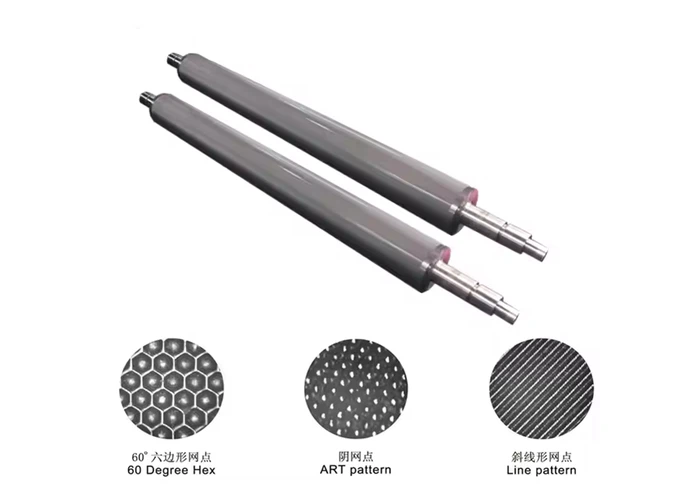
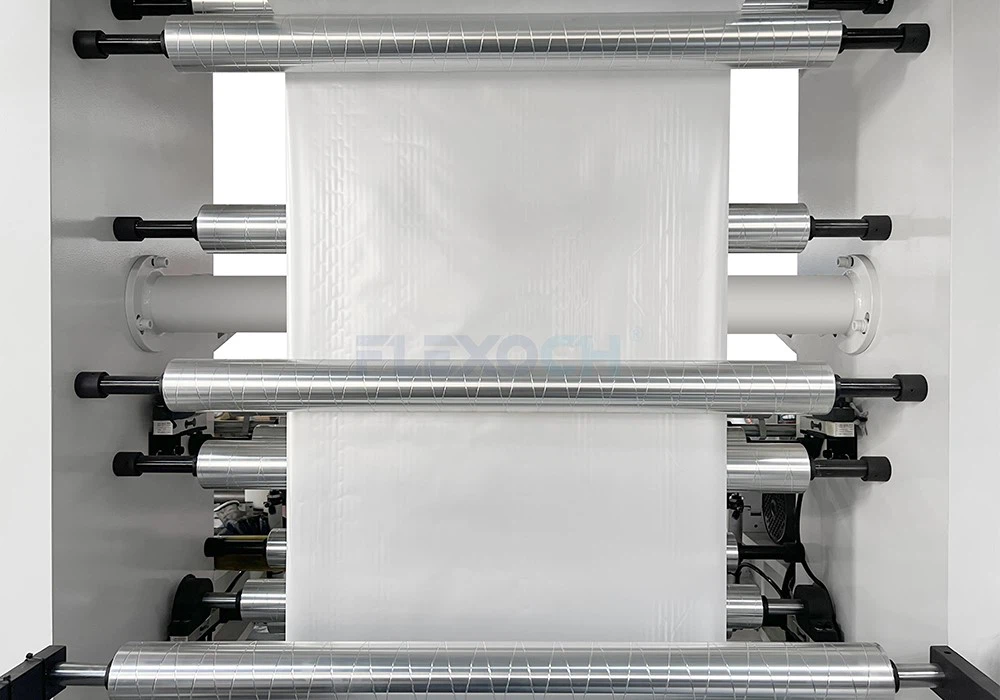
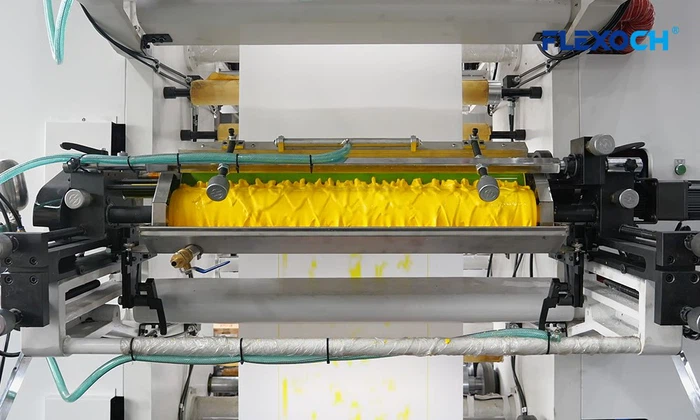
4.Anilox rollers need consistent upkeep. Have them professionally cleaned on a fixed schedule to stop cells from clogging. Test transfer performance periodically and replace rollers when they hit their service limit. Even transfer means even color in flexible packaging printing.
5.Avoid constant starts and stops. Running the press at a steady speed keeps ink transfer smooth, which cuts down the color variation that shows up with unstable flow. Just let the machine keep its pace.
6.Keep your shop environment under control. Swings in temperature and humidity mess with ink drying and material behavior. Hold these fairly steady, and you'll see fewer color problems from evaporation or substrate changes.

III. FAQ
Q1: Why do front and rear printed colors differ on CI flexo printing presses?
A1:During long-term operation, ink viscosity changes due to solvent evaporation, accompanied by slight fluctuations in mechanical pressure and tension systems. The combined effect of these factors leads to front-rear color inconsistency.
Q2: Is unstable color mainly caused by equipment or ink problems?
A2:Color instability rarely stems from a single factor. It is the combined result of ink status, mechanical precision, tension control and environmental conditions. Among these, ink viscosity variation and abnormal anilox roller conditions are the two most common root causes.
Q3: How to quickly improve printing color fluctuation?
A3:Prioritize checking ink viscosity stability and verifying whether the anilox roller is clogged or worn. Then inspect printing pressure and tension control systems, as these links are the primary triggers of color fluctuation.
Q4: How often should anilox rollers be cleaned?
A4:The cleaning cycle depends on production materials and ink types. Regular cleaning after continuous production is recommended to avoid cell clogging and ensure stable ink transfer.
Q5: What materials are suitable for stable printing on CI flexo machines?
A5:CI flexo machines are ideal for PE, BOPP, CPP and other film materials. They are widely applied in scenarios requiring high printing consistency, including food packaging, daily chemical flexible packaging and industrial packaging.
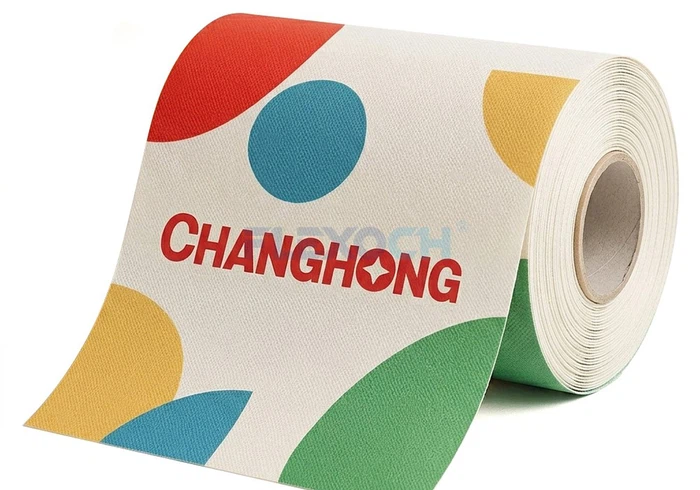
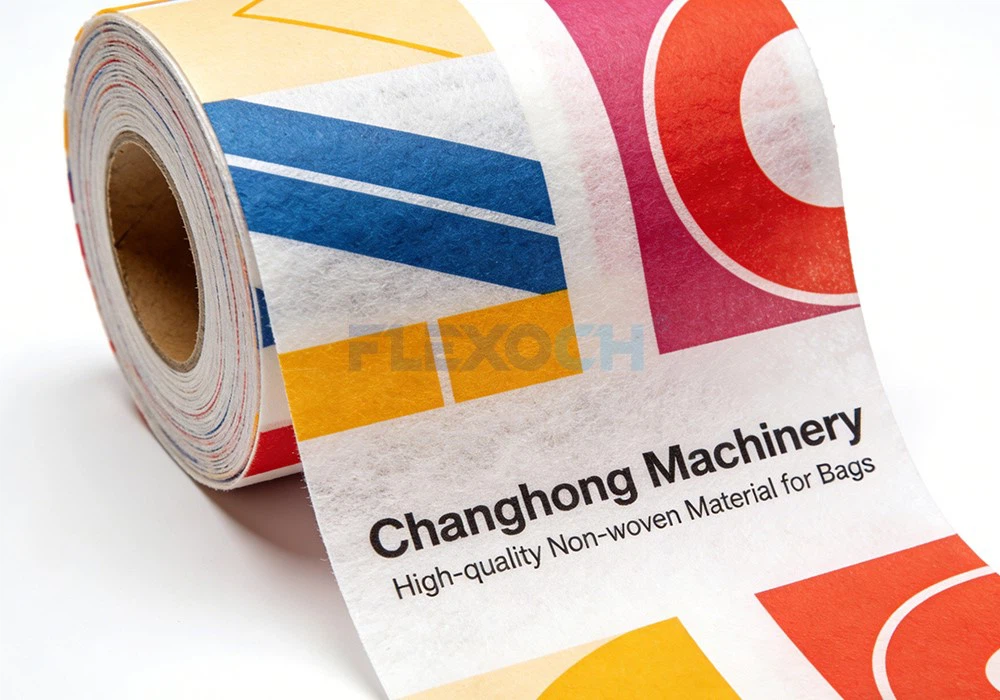
Printing Sample


IV. Changhong High-Stability CI Flexographic Printing Machine Solution
In actual production, solving color inconsistency relies not only on process adjustment but more importantly on the inherent stability and control precision of the printing equipment itself. As a professional flexographic printing machine manufacturer, Changhong focuses on structural optimization and system upgrading of CI flexographic printers, delivering stable and high-efficiency printing solutions for global clients.
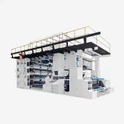
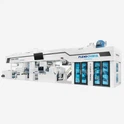
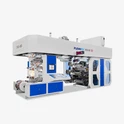
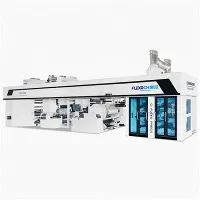
Our CI flexographic printing machines adopts a central impression cylinder structure. All color groups complete overprinting on the same reference circumference, minimizing material operation errors mechanically and greatly improving color consistency. Equipped with a high-precision tension control system, the machine automatically adjusts operating status according to the characteristics of different film materials such as PE, BOPP and CPP.
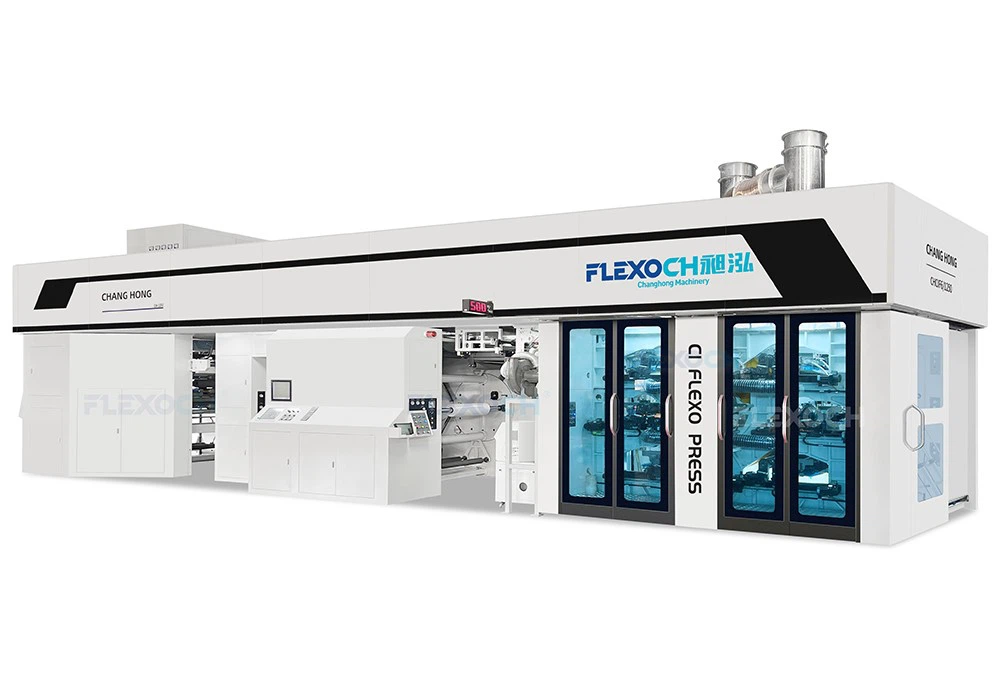
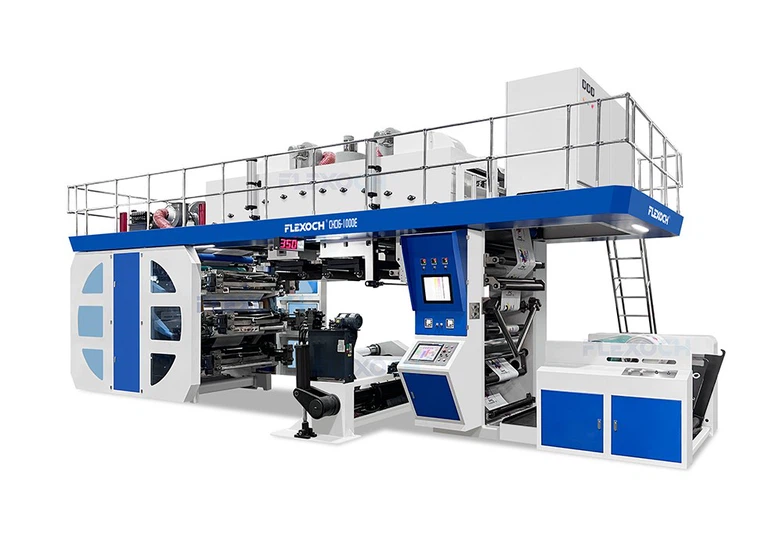
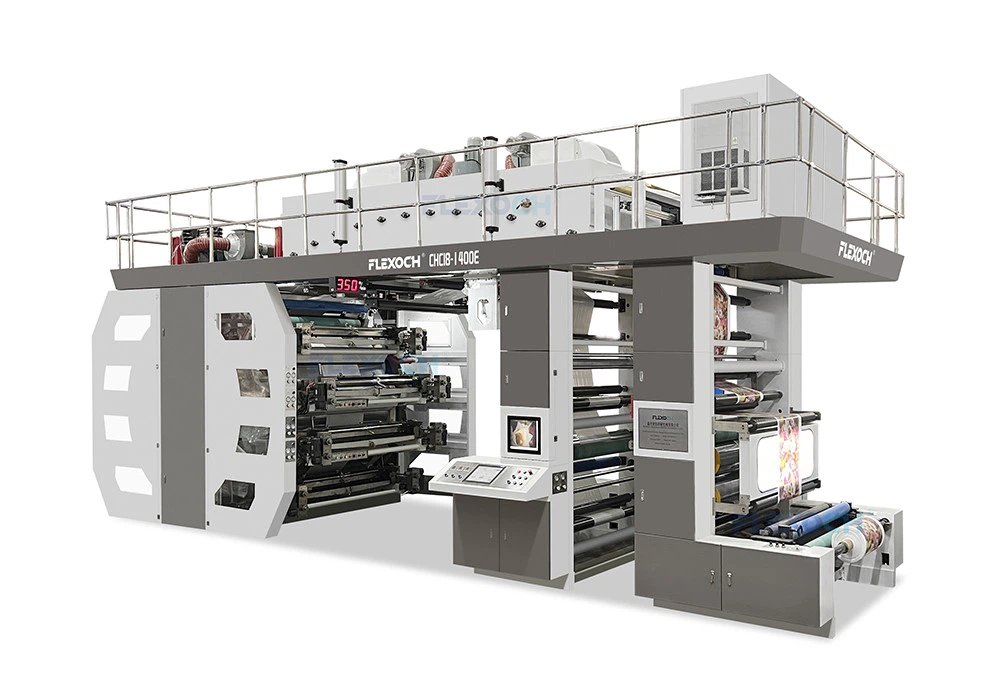
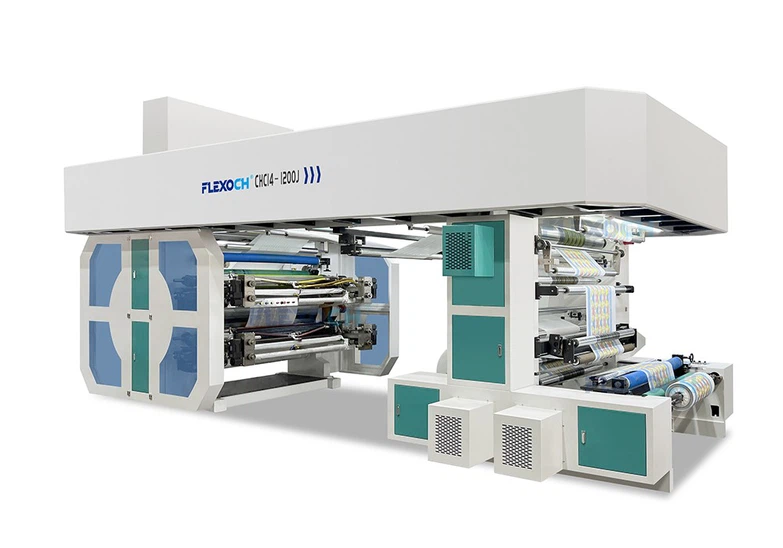
When it comes to ink handling, Changhong CI flexo printers come with compatible automatic viscosity control and circulating ink supply setups. These configurations keep ink properties steady throughout long production runs and prevent color drift brought on by solvent evaporation. The high-precision anilox roller delivers even ink laydown, delivering true-to-life color and steady repeat print results.
The machine is also engineered for reliable high-speed operation. It holds consistent color tone and precise registration even during nonstop long-run production and frequent order changeovers. It serves food packaging, personal care packaging and premium flexible packaging sectors exceptionally well, helping manufacturers cut waste rates and raise overall production efficiency.
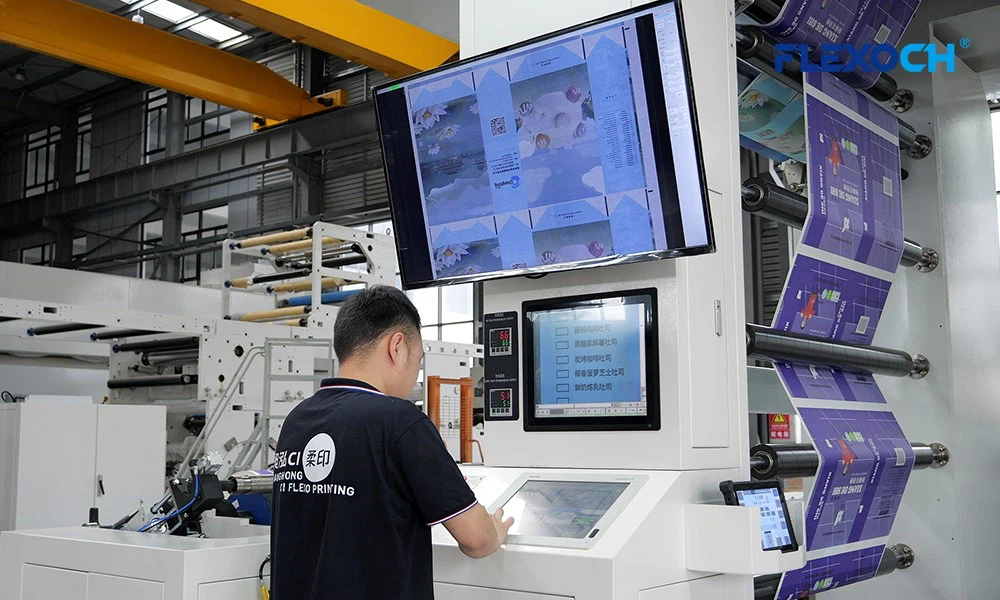
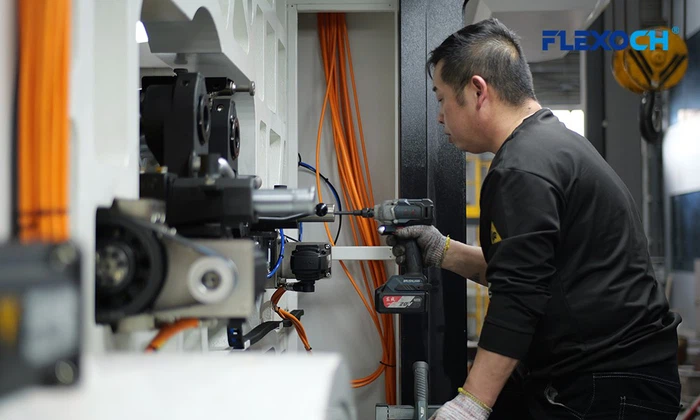
Beyond premium equipment supply, Changhong provides one-stop flexographic printing solutions, including process parameter optimization, on-site commissioning guidance and after-sales maintenance services. We help clients effectively control color consistency in actual production and achieve high-quality printed outputs.
V. Summary
Color inconsistency can hardly be completely eliminated for central impression flexo printing machine operating in high-speed, continuous and multi-material production scenarios. However, most color fluctuation issues can be well controlled through comprehensive optimization of the ink system, tension control, anilox roller maintenance and mechanical structural stability. The key lies in establishing a standardized production management system and adopting high-stability printing equipment as fundamental support.
For enterprises pursuing high-quality flexible packaging printing, equipment stability directly determines the upper limit of production efficiency and finished product quality. A CI flexographic printing machines with stable performance and high control precision not only shortens machine debugging time but also significantly cuts reject rates, bringing substantial cost advantages in long-term production operation.