The packaging industry has changed a lot over the past few years. In food packaging and daily packaging, customers are no longer satisfied with simple printing quality alone. Today, packaging manufacturers also need faster production speed, flexible order handling, stable color performance, and lower operating costs.
At the same time, market demand is becoming more complicated. Many packaging factories are now dealing with smaller order quantities, more packaging variations, and shorter delivery times. A production line that worked well years ago may no longer be efficient enough for current packaging needs.
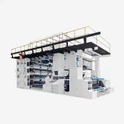
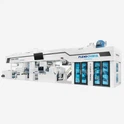
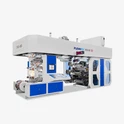
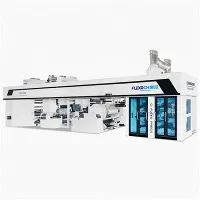
Because of this, more companies are paying attention to stack type flexo printing machine. Compared with some large and expensive printing systems, the machine offers a more flexible production solution for many packaging businesses. They are widely used for food bags, paper packaging, shopping bags, daily packaging, flexible packaging, and many other applications.
So why are stack flexo presses still popular in today's packaging market? And what advantages do they offer for food and daily packaging production?
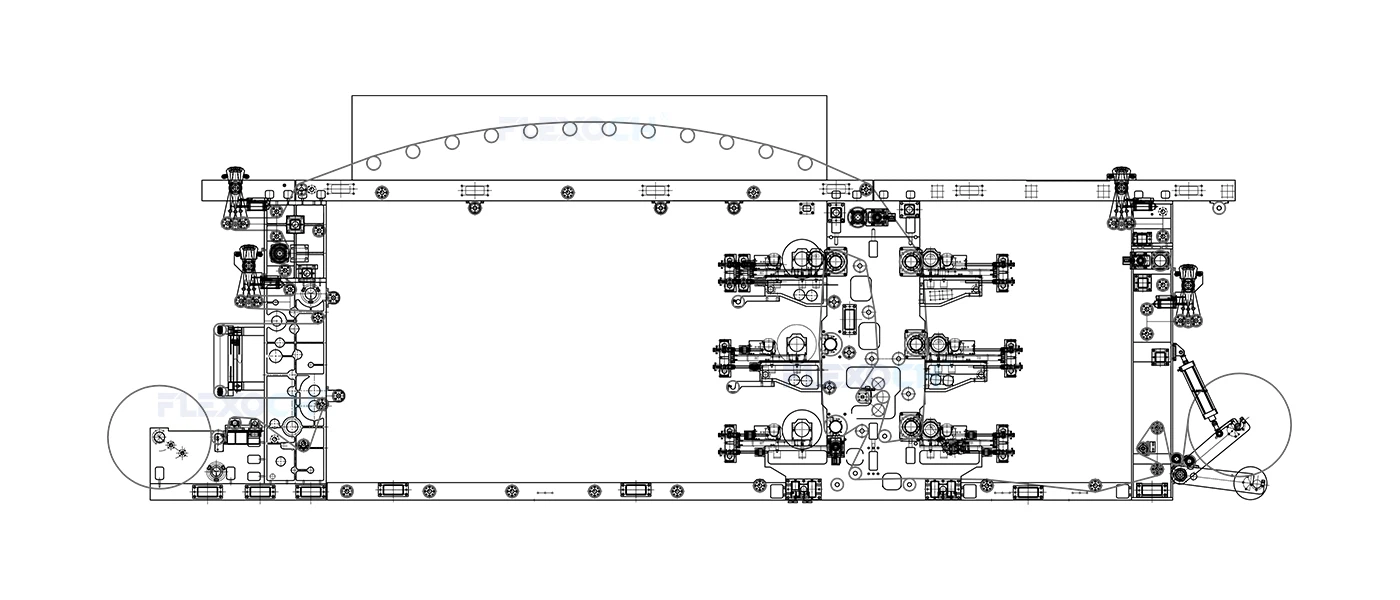
Material Feeding Diagram
1. Easier to Handle Different Packaging Orders
One major challenge in today's packaging industry is the increasing variety of products.
Food brands keep launching new products and updating packaging designs to attract customers, and daily brands are doing the same. Seasonal packaging, promotional packaging, limited editions, and multiple sizes for the same product are now very common in the market.
For packaging manufacturers, this means production jobs are changing more frequently than before.
A factory may print snack packaging in the morning, frozen food packaging in the afternoon, and detergent bags the next day. If the printing equipment takes too long to adjust between jobs, production efficiency can quickly drop.
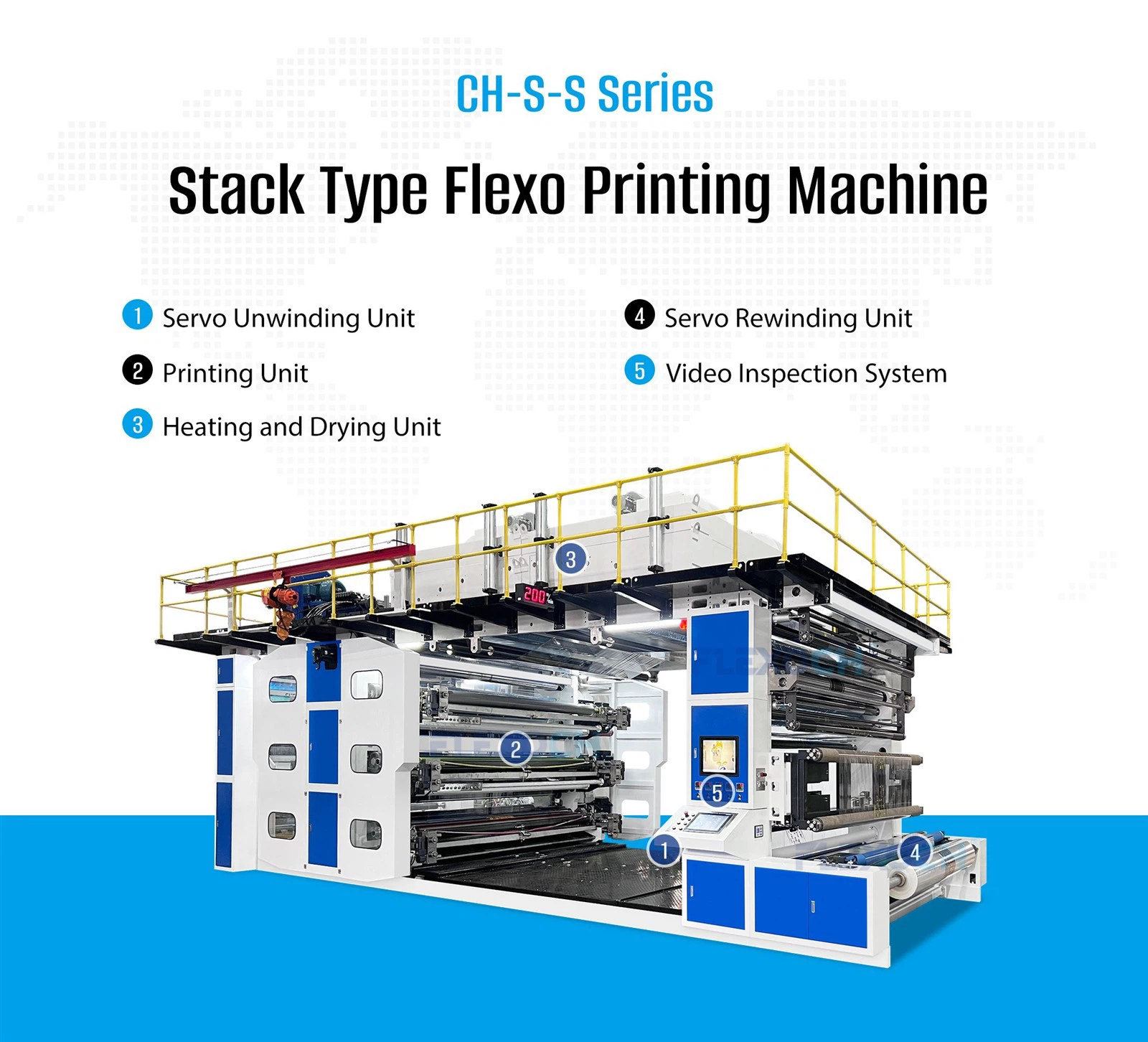
This is one reason many packaging companies end up choosing a stack type flexo printing machine.
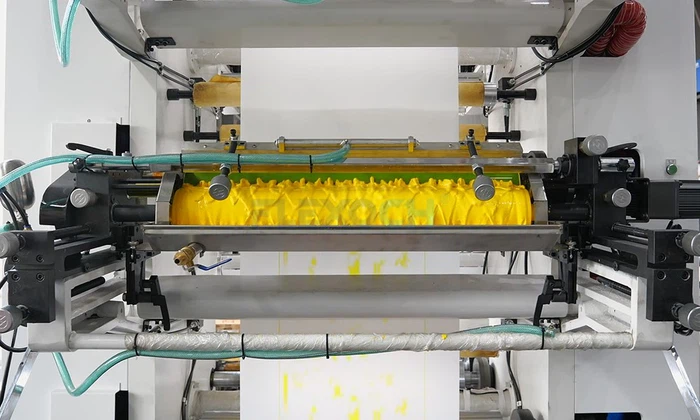
The structure of a stack flexo printing press lets each printing unit work more independently. In real production, this usually means easier adjustments when switching designs, colors, or sizes, and fewer long stops during job change.
Detail Image
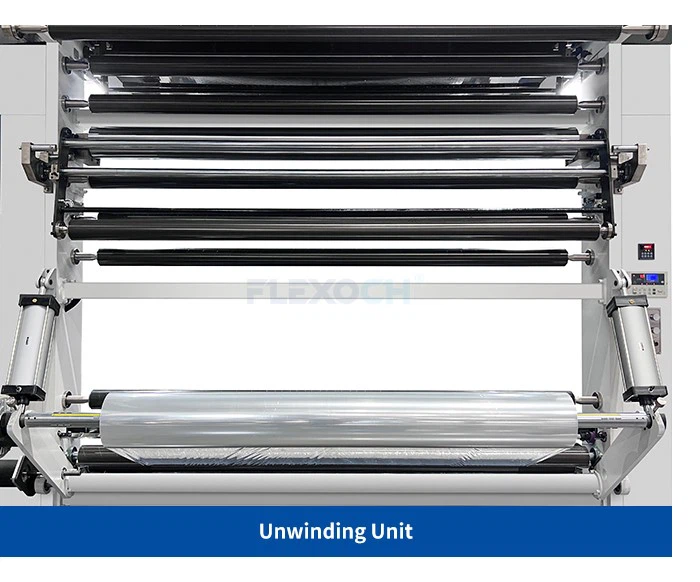
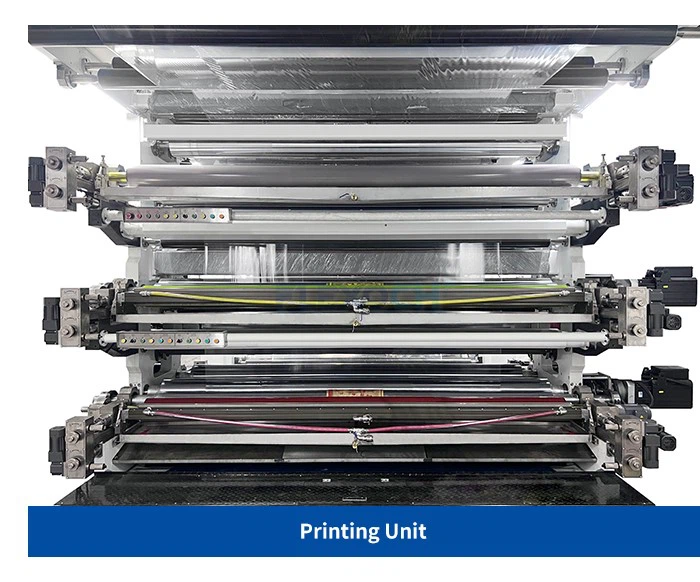
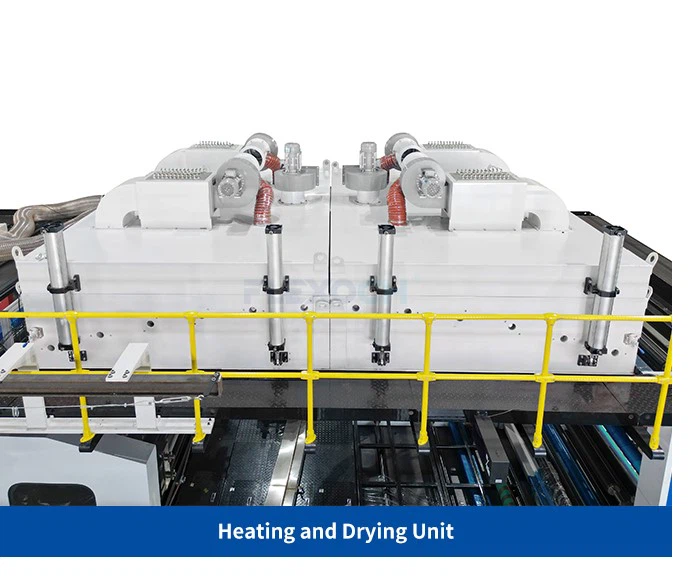
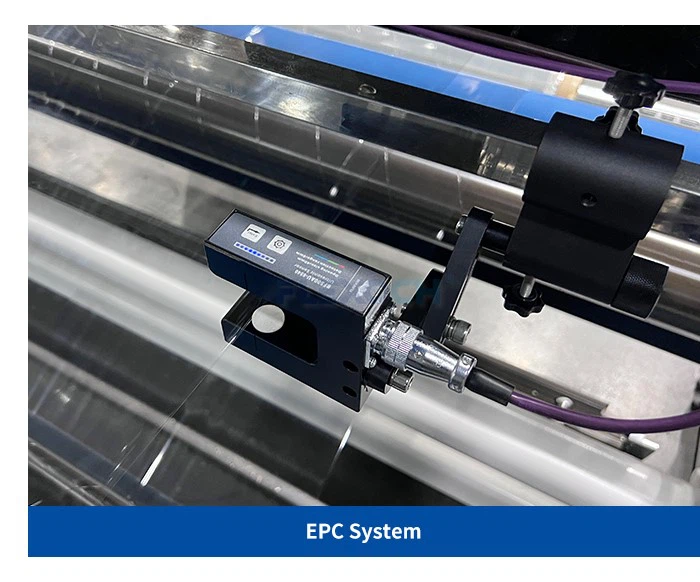
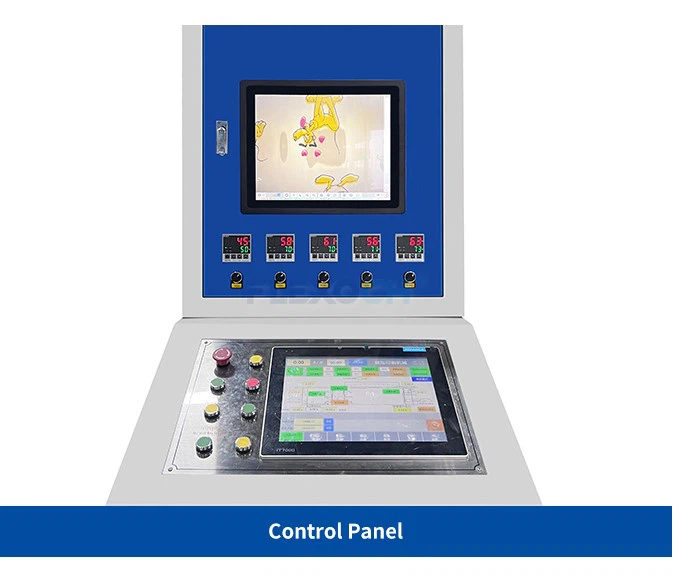
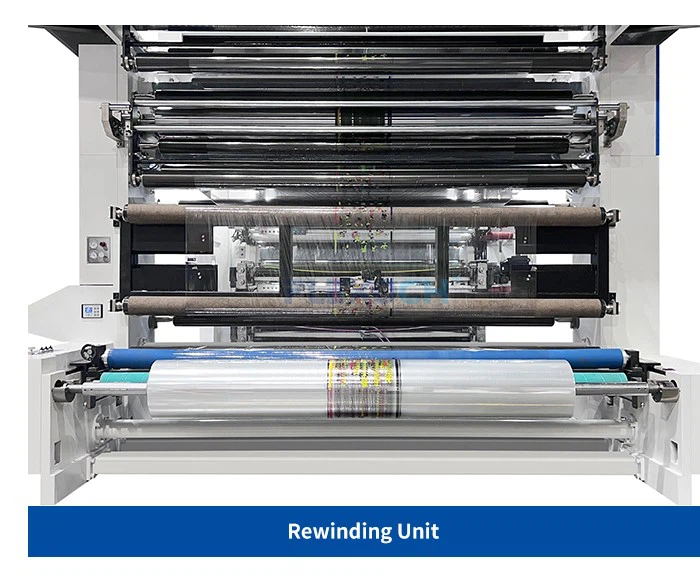
In food packaging, printing requirements are not the same for every product. For example:
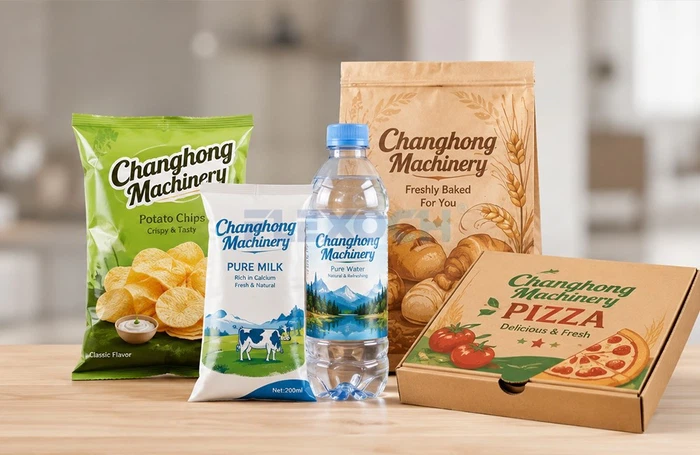
- Snack packaging usually needs stronger and brighter colors
- Frozen food packaging needs stable ink adhesion, especially in long runs
- Coffee packaging is more about overall visual appearance
- Fast food packaging often focuses on speed rather than fine detail
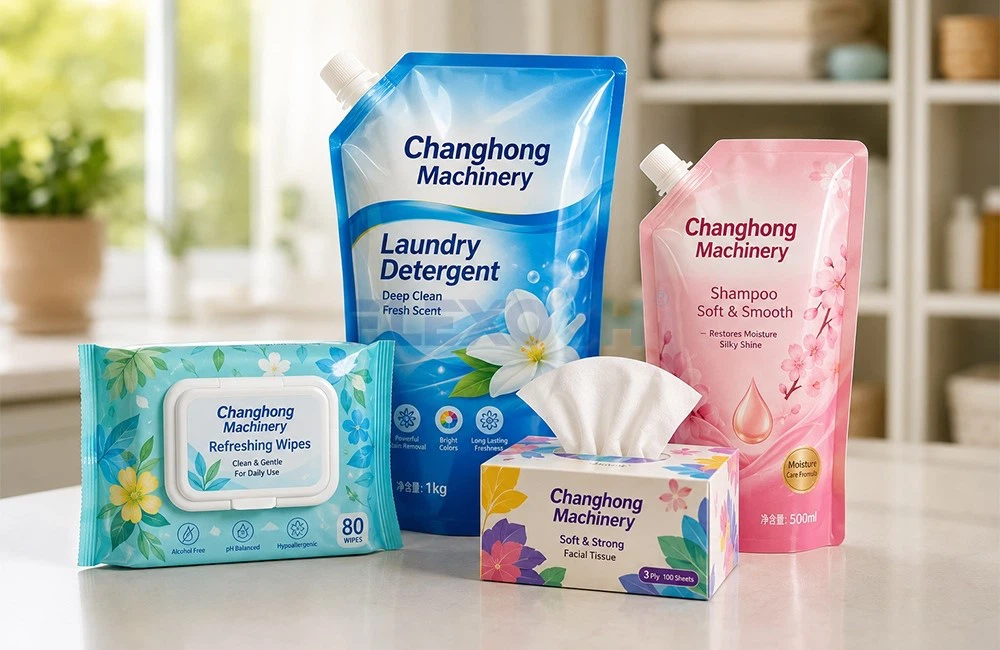
Daily packaging is similar, but depends more on end use.
- Shampoo packaging usually needs stronger shelf impact
- Wet wipe packaging requires clear and easy-to-read graphics and text
- Cosmetic packaging depends a lot on color consistency
- Household labels need stable and accurate registration during printing
In many factories, a stack flexo press works well because it can handle these mixed and changing production requirements more easily.
2. Lower Investment and Easier Daily Operation
Cost control has become a serious issue for many packaging manufacturers.
Raw material prices continue to increase, labor costs are higher than before, and market competition is becoming stronger. Because of this, companies are paying closer attention to equipment investment and long-term operating expenses.
For many medium-sized factories, buying overly complicated equipment may not always be the best choice.
Because of this, many companies are now more careful with equipment investment and long-term running costs.
For medium-sized factories, more complex machines are not always the right option. Compared with large advanced printing systems, stack flexo printing machines are often more practical for daily production. The structure is simpler, so maintenance and operator training are usually easier.
This matters in continuous production. When a machine stops too often due to maintenance issues, it delays delivery and increases cost. In many cases, stable running is more important than having the most advanced system.
Another point is efficiency. Flexographic printing is already known for high-speed production, and stack type flexo presses can keep stable output in many common packaging jobs, especially food and daily packaging where delivery time is usually tight.
Material waste is also a key concern. Film, paper, and laminated materials are getting more expensive. If production is unstable, waste increases quickly. Better tension control and smoother running help reduce unnecessary material loss during long jobs.
For companies entering the flexographic printing market for the first time, stack flexo presses are also easier to manage compared with some highly automated systems. This makes them a practical option for factories planning gradual business expansion.
Video Introduction
3. Better for Environmentally Friendly Packaging Production
Environmental requirements are becoming stricter across the global packaging industry.
Food packaging manufacturers especially need to pay more attention to production safety, ink systems, and VOC emissions. Many international customers now prefer packaging suppliers that can support cleaner and more sustainable production methods.
Flexographic printing has certain advantages in this area.
This type of press can work with water-based inks or low-VOC inks, helping reduce odor and chemical emissions during production. This is especially important for food packaging products where packaging safety standards are becoming more demanding.
For export packaging businesses, environmental compliance is no longer just an added advantage. In many cases, it has become a necessary production requirement.
European and North American packaging markets continue introducing higher sustainability expectations. Packaging manufacturers that cannot meet these standards may face more difficulties when competing internationally.
daily packaging is also moving in the same direction.
Consumers are becoming more aware of recyclable packaging and eco-friendly production. Many brands now promote sustainable packaging as part of their marketing strategy. Packaging factories using cleaner production equipment may have better opportunities to work with these brands.
For this reason, many companies see this type of equipment not only as production equipment, but also as part of their long-term development planning.
4. Suitable for Different Packaging Materials
Modern packaging production involves many types of materials.
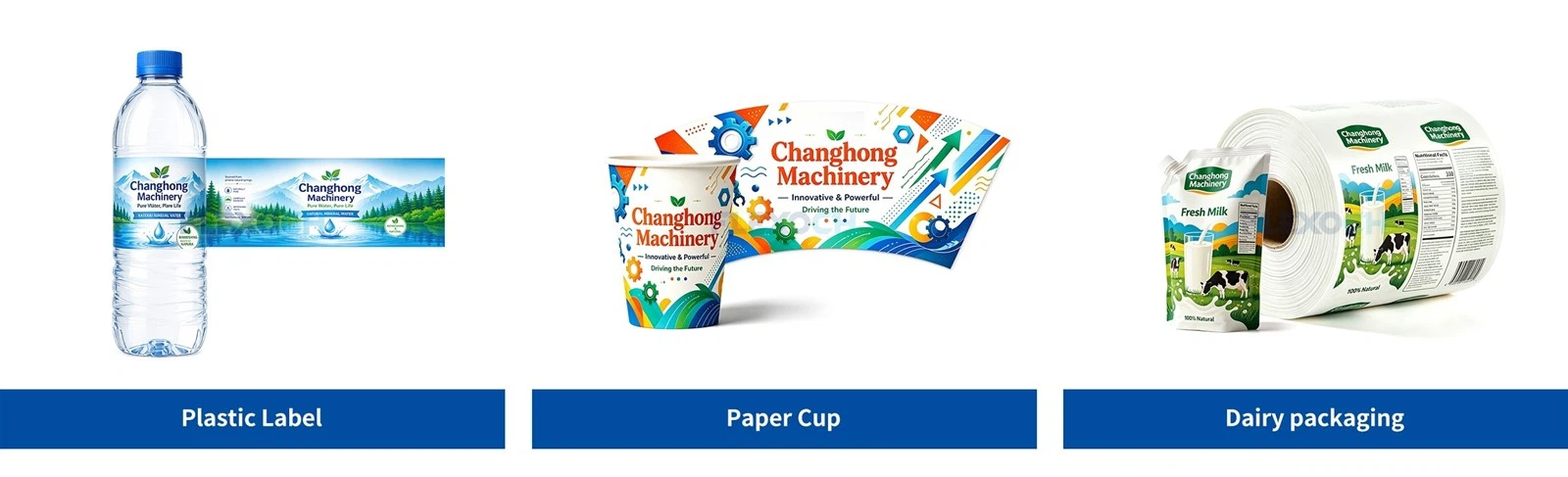
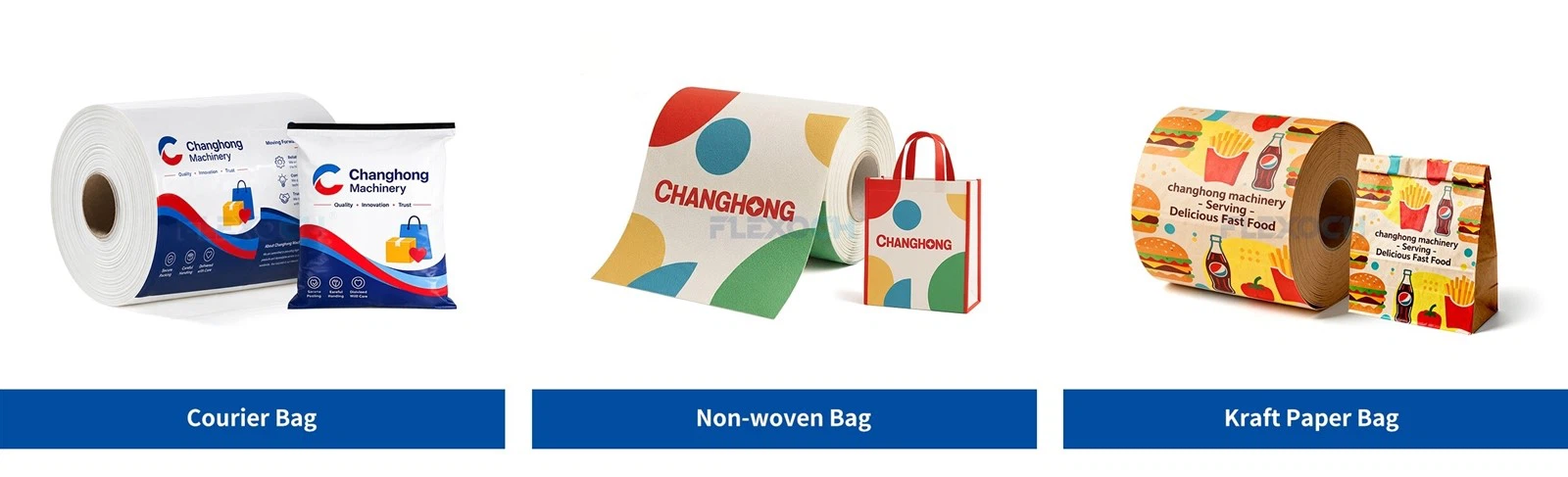
Food packaging uses different materials such as plastic film, paper, laminated substrates, and flexible packaging structures. Daily packaging products may also involve film rolls, labels, and nonwoven materials.
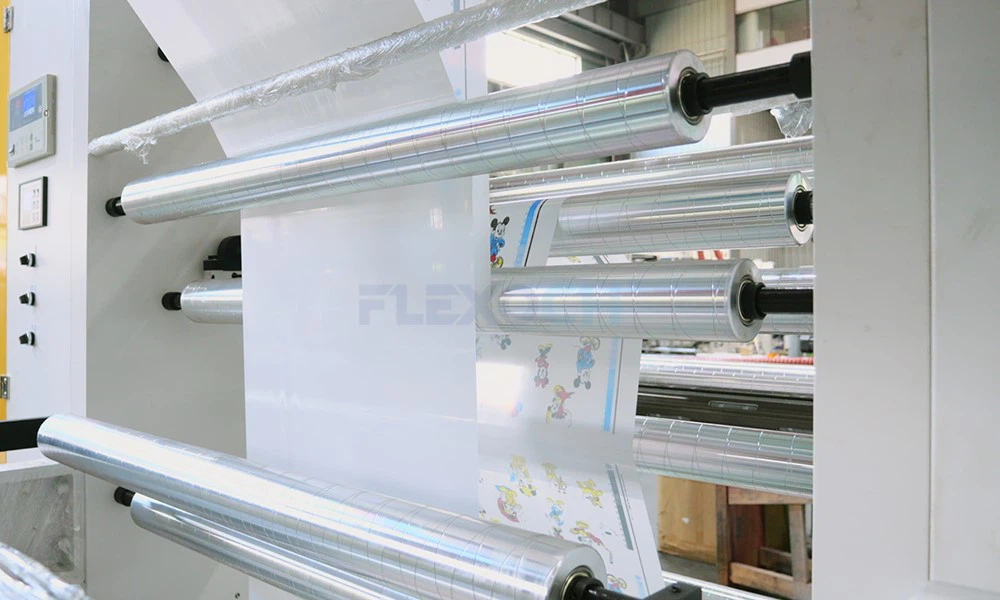
Different materials react differently during printing. Thin films often require more stable tension control, while paper materials may behave differently during ink transfer and drying, which can easily lead to instability if the press is not well adjusted.
Stack type flexo printing machines can handle a relatively wide range of packaging materials, so the same equipment can be used for different product types instead of separating production lines.
For many manufacturers, this kind of flexibility is practical. A factory may start with food packaging, and later move into paper or other daily packaging jobs, so having broader material compatibility makes future production changes easier.
Printing Sample
5. A Practical Choice for Today's Packaging Market
The packaging market is very different from what it was years ago.
Large-volume orders still exist, but more companies now require short-run packaging, quick product testing, customized designs, and faster product launches. Packaging factories must respond more quickly than before.
This creates demand for printing equipment that is flexible and easy to operate.
Many factories are no longer simply looking for the most advanced machine. Instead, they want equipment that fits their actual production environment and helps improve daily workflow.
A stack flexo press fits well in this type of production environment. It offers a balance between production efficiency, operational flexibility, and investment control. Operators can switch between different orders more easily, while factories can maintain stable production for a wide range of packaging products.
At the same time, Modern stack flexographic printing technology continues to improve in automation, registration accuracy, and tension control technology. Today's machines perform much better than older models while still keeping the advantages of flexible operation.
For many packaging manufacturers, this combination makes stack type flexo presses a reliable long-term production solution.
6.Conclusion
Food packaging and daily packaging are developing quickly, and packaging manufacturers are facing more complex production demands than ever before.
Companies now need printing equipment that can handle flexible orders, maintain stable production quality, reduce operating pressure, and support future market changes.
Because of their flexible structure, practical operation, stable printing performance, and broad application range, The stack type flexo printing machine continues to play an important role in the packaging industry.
As packaging demand keeps moving toward smaller batches, faster delivery, and more sustainable production, stack flexographic printing machines are expected to remain a dependable choice for many food and daily packaging manufacturers in the years ahead.