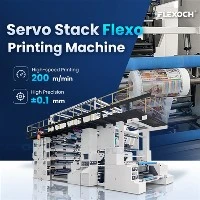
Stack flexo printing is a widely used printing method due to its efficiency and versatility. One crucial aspect that often goes overlooked is the proper storage of printing plates. As a stack flexo printing supplier, I understand the importance of maintaining the quality of printing plates through appropriate storage solutions. In this blog, I will share some key guidelines on how to store printing plates for stack flexo printing effectively.
Understanding the Significance of Proper Plate Storage
Printing plates are the heart of the stack flexo printing process. They carry the image that will be transferred onto the substrate. Any damage or deformation to the plates can result in poor print quality, wasted materials, and increased production costs. Therefore, proper storage is essential to ensure the longevity and performance of the plates.
Factors Affecting Plate Storage
Several factors can impact the quality of stored printing plates. These include temperature, humidity, light exposure, and physical handling. Understanding these factors is the first step in developing an effective storage strategy.
Temperature
Temperature fluctuations can cause the printing plates to expand or contract, leading to distortion. It is recommended to store plates in an environment with a stable temperature, ideally between 20°C and 25°C (68°F and 77°F). A temperature-controlled storage area can help maintain the integrity of the plates.
Humidity
High humidity can cause the plates to absorb moisture, which may lead to swelling, warping, or the growth of mold and mildew. On the other hand, low humidity can make the plates brittle and prone to cracking. Aim for a relative humidity level between 40% and 60% in the storage area.
Light Exposure
Exposure to ultraviolet (UV) light can degrade the photosensitive materials on the printing plates. To prevent this, store the plates in a dark or low-light environment. If possible, use opaque storage containers or cover the plates with a light-blocking material.
Physical Handling
Rough handling of printing plates can cause scratches, dents, or other physical damage. When storing and retrieving the plates, always use proper handling techniques. Wear gloves to prevent fingerprints and handle the plates by the edges to avoid direct contact with the printing surface.


Storage Solutions for Printing Plates
There are several storage options available for stack flexo printing plates. The choice of storage solution depends on factors such as the number of plates, available space, and budget.
Plate Racks
Plate racks are a common and efficient way to store printing plates. They provide a stable and organized storage environment, allowing easy access to the plates. Plate racks can be designed to hold plates vertically or horizontally, depending on the size and shape of the plates. When using plate racks, make sure the plates are properly spaced to prevent them from rubbing against each other.
Storage Cabinets
Storage cabinets offer a more enclosed and protected storage solution. They can be equipped with shelves, drawers, or compartments to accommodate different plate sizes. Cabinets can also be locked to prevent unauthorized access and provide additional security for the plates. Some storage cabinets are designed with built-in climate control features to maintain a stable temperature and humidity level.
Plate Boxes
Plate boxes are a convenient option for storing smaller quantities of plates or for transporting plates between locations. They come in various sizes and materials, such as plastic or cardboard. Plate boxes should be sturdy and provide adequate protection for the plates. It is recommended to use individual dividers or padding inside the boxes to prevent the plates from shifting and getting damaged.
Maintenance and Inspection of Stored Plates
Regular maintenance and inspection of stored printing plates are essential to ensure their quality and performance. Here are some key steps to follow:
Cleaning
Before storing the plates, make sure they are clean and free from ink, debris, or other contaminants. Use a mild cleaning solution and a soft brush or cloth to gently clean the plates. Avoid using abrasive materials or harsh chemicals that may damage the plate surface.
Inspection
Periodically inspect the stored plates for signs of damage, wear, or degradation. Check for scratches, dents, cracks, or changes in the plate's surface texture. If any issues are detected, take appropriate action, such as repairing or replacing the plates.
Rotation
To ensure even wear and prevent long-term damage, it is a good practice to rotate the stored plates regularly. This helps distribute the stress on the plates and extends their lifespan.

Conclusion
Proper storage of printing plates is crucial for maintaining the quality and performance of stack flexo printing. By understanding the factors that affect plate storage and implementing appropriate storage solutions, you can extend the lifespan of your printing plates and improve the overall efficiency of your printing operations.
As a stack flexo printing supplier, we are dedicated to providing high-quality products and services to our customers. If you are interested in Film Flexo Printing Machine, 4 Colour Flexo Printing Machine, or Slitter Stack Type Flexo Printing Machine, please feel free to contact us for more information and to discuss your specific requirements. We look forward to working with you to achieve your printing goals.
References
- "Flexographic Printing Technology" by the Flexographic Technical Association
- "Printing Plate Storage Best Practices" by industry experts in the printing field