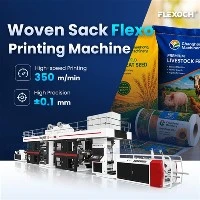
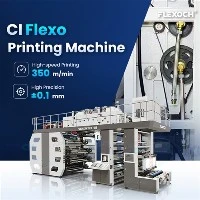
Integrating a CI (Central Impression) Machine into an existing production line can seem like a daunting task but fear not! As a CI Machine supplier, I'm here to break it down for you step by step.
Understanding the Basics
First off, let's talk about what a CI machine is and why you might want to integrate it into your production line. A CI machine, or Central Impression Flexographic Printing Machine, is a powerful piece of equipment used in the printing industry. It's known for its high - quality printing, efficiency, and versatility. Whether you're printing on PE Film Flexo Printing Machine, paper, or other materials, a CI machine can get the job done.
The main advantage of integrating a CI machine is that it can significantly boost your production capacity. It can handle high - volume jobs at a much faster rate compared to some traditional printing methods. Plus, it offers better print quality, which can lead to happier customers and more business.


Assessing Your Existing Production Line
Before you jump into integrating a CI machine, you need to take a good look at your current production line. Consider the following factors:
- Space: Does your facility have enough space to accommodate the CI machine? You'll need to account for not only the machine itself but also the space for loading and unloading materials, as well as any maintenance access.
- Workflow: How does your current workflow operate? You want to ensure that the CI machine can fit seamlessly into your existing process without causing bottlenecks. For example, if your current line has a slow drying process, you may need to upgrade or adjust it to match the speed of the CI machine.
- Power and Utilities: Check if your facility can supply the necessary power, water, and other utilities required by the CI machine. Some CI machines are energy - intensive, so you need to make sure your electrical system can handle the load.
Selecting the Right CI Machine
As a supplier, I know that there are many different types of CI machines on the market. Here are some popular options:
- Paper Gearless Flexo Printing Press: This type of machine is great for printing on paper. It offers high - precision printing and is often used in the packaging industry.
- Paper Flexo Printing Machine: Ideal for printing on paper rolls, this machine can handle a variety of paper thicknesses and sizes.
- 8 Color Flexo Printing Machine: If you need to print with multiple colors, this machine is a great choice. It allows for complex and vibrant color combinations.
- Double Station Non - stop CI Flexographic Printer: This printer is designed for continuous operation, which can greatly increase your production efficiency.
When selecting a CI machine, consider your specific production needs, such as the type of materials you'll be printing on, the volume of work, and the level of print quality you require.
-
Preparing for Integration
Once you've selected the right CI machine, it's time to start preparing for integration.
Training: Make sure your staff receives proper training on how to operate the CI machine. This will not only ensure the safety of your employees but also maximize the efficiency of the machine.
Installation: Hire a professional installation team to set up the CI machine. They have the expertise and tools to ensure that the machine is installed correctly and safely.
Testing: Before fully integrating the CI machine into your production line, conduct thorough testing. Check for any mechanical issues, print quality problems, or compatibility issues with your existing equipment.

Integrating the CI Machine
Now comes the exciting part - integrating the CI machine into your production line.
- Connecting to Existing Equipment: Connect the CI machine to your existing equipment, such as material handling systems, drying units, and inspection stations. Make sure all connections are secure and properly calibrated.
- Workflow Adjustment: Adjust your workflow to incorporate the CI machine. This may involve re - arranging workstations, changing production schedules, or adjusting quality control procedures.
- Monitoring and Optimization: Once the CI machine is up and running, closely monitor its performance. Look for areas where you can optimize the process, such as reducing waste, improving print quality, or increasing production speed.
Troubleshooting and Maintenance
Even with the best planning and preparation, you may encounter some issues when integrating the CI machine. Here are some common problems and solutions:
- Print Quality Issues: If you notice problems with print quality, such as smudging, streaking, or color inaccuracies, check the ink supply, printing plates, and pressure settings. You may also need to clean the machine regularly to prevent build - up of ink and debris.
- Mechanical Problems: If the machine makes strange noises or experiences mechanical failures, stop the operation immediately and call a technician. Regular maintenance can help prevent many mechanical issues.
- Compatibility Issues: If the CI machine is not working well with your existing equipment, check for software or hardware incompatibilities. You may need to update the software or make adjustments to the hardware.
Regular maintenance is crucial to keep the CI machine running smoothly. Follow the manufacturer's recommended maintenance schedule, which may include tasks such as lubricating moving parts, replacing worn - out components, and cleaning the machine.
Conclusion
Integrating a CI machine into an existing production line is a big step, but it can bring many benefits to your business. By carefully assessing your needs, selecting the right machine, preparing for integration, and providing proper training and maintenance, you can ensure a successful integration.
If you're interested in learning more about our CI machines or have any questions about integrating them into your production line, don't hesitate to reach out. We're here to help you make the most of this powerful technology and take your business to the next level.


References
- Industry standards for flexographic printing machines
- Manufacturer's manuals for CI machines