If you're running a packaging or label production facility, your central impression (CI) flexo press is more than just machinery-it's the backbone of your daily output, quality consistency, and bottom line. As a supplier of these specialized printers, I've spent hundreds of hours walking operators through maintenance routines, troubleshooting common wear points, and fine-tuning settings that directly impact how long their CI press performs at peak capacity. I've seen presses that hit 15+ years of reliable use, and others that struggle at 7, all because of small, consistent choices around operation, maintenance, and upgrades. Today, I'm breaking down the scientific, practical steps to extend your CI flexo press's lifespan, drawing on years of on-site experience and enginee
ring data to back each tip.

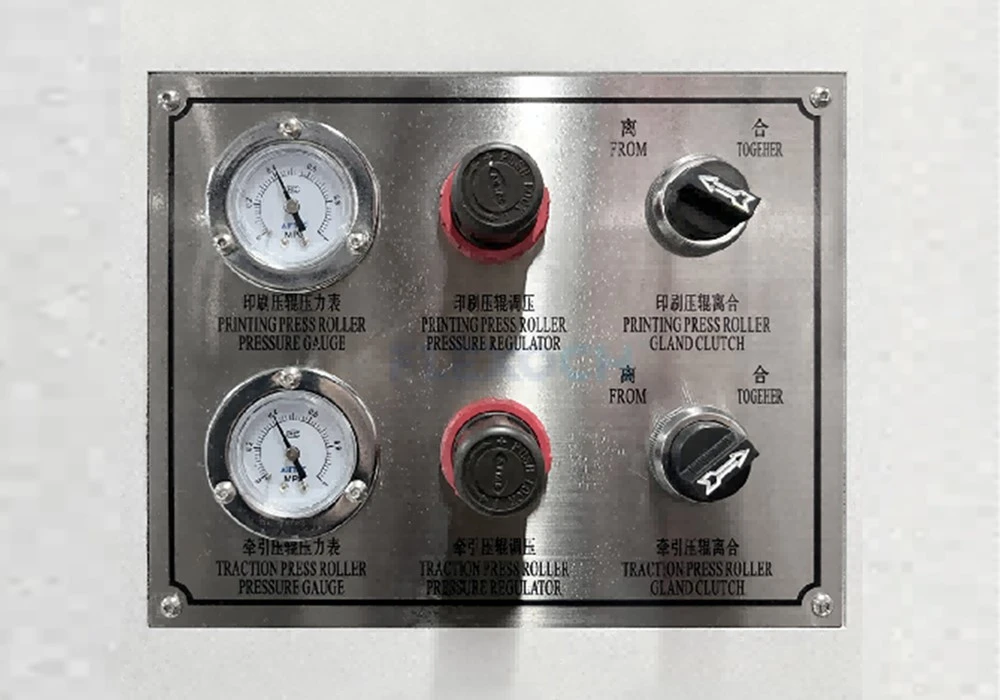
First, let's start with the core of your machine: the central impression drum. This is the large, single cylinder that runs through the center of your press, anchoring all printing units and ensuring uniform pressure across every print. Misaligned drum pressure is one of the fastest ways to cause uneven wear, which not only shortens the drum's life but also leads to print defects that waste materials. Many operators rush through pressure calibration to meet production deadlines, but even a 10% variance in pressure between units can create stress points on the drum's surface and print sleeves over time. Here's the science: flexo printing relies on transferring ink from an anilox roll to the plate, then to the substrate, and uniform drum pressure ensures consistent contact between all three. When pressure is too high, you'll get excessive friction between the drum and sleeves, wearing down both; too low, and print quality drops, leading to reworks that force the press to run longer hours, accelerating overall wear.
To avoid this, perform a pressure calibration check at the start of every production run, especially when switching between substrates (like from paper to flexible film) or print runs of different lengths. Use a pressure measurement film (available from industrial supply vendors) to verify that readings across all printing units are within 5% of the manufacturer's recommended range for your specific press. For newer presses, like our modern Central Impression Flexo Press models, we integrate automated pressure monitoring systems that alert operators to variances in real time, eliminating guesswork. If your current press doesn't have this feature, investing in a manual pressure film kit is a small cost that pays off in extended drum life and reduced rework.
Next, your printing sleeves and anilox rolls-two consumable parts that are often replaced prematurely, but with care, can last for hundreds of runs. Sleeves are the flexible cylinders that hold your printing plates, and improper cleaning or storage is a leading cause of sleeve damage. Many operators use harsh solvents to clean ink residue from sleeves, which can break down the rubber or polymer material over time, leading to cracking or warping. Instead, use a neutral, pH-balanced cleaning solution designed specifically for flexo sleeves, and wipe them gently with a microfiber cloth rather than scrubbing. For long-term storage, sleeves should be kept on a storage mandrel (not stacked) in a climate-controlled area, away from direct sunlight or temperature fluctuations-extremes can cause sleeve material to expand or contract, leading to dimensional inaccuracy that affects print quality and increases friction against the central drum.
Anilox rolls, which transfer ink from the fountain to the printing plate, require even more careful handling. The cells on anilox rolls are micro-sized, and even a small scratch from a dirty sleeve or a piece of debris in the ink can reduce ink transfer efficiency, leading to lighter prints or excessive ink use. To clean anilox rolls, use ultrasonic cleaning once every 10–15 runs, rather than just manual wiping-ultrasonic technology penetrates the tiny cells to remove dried ink and additives that manual cleaning misses. Also, avoid using abrasive materials to scrub anilox rolls, as they can wear down the cell walls, reducing the roll's volume over time.
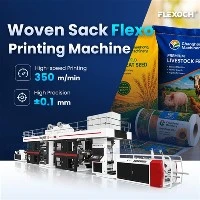
For facilities running high-volume jobs, like woven sack printing (which requires consistent ink coverage), our Woven Sack Flexo Printing Machine models come with built-in anilox cleaning systems that simplify this routine maintenance, ensuring your rolls stay in good condition longer.
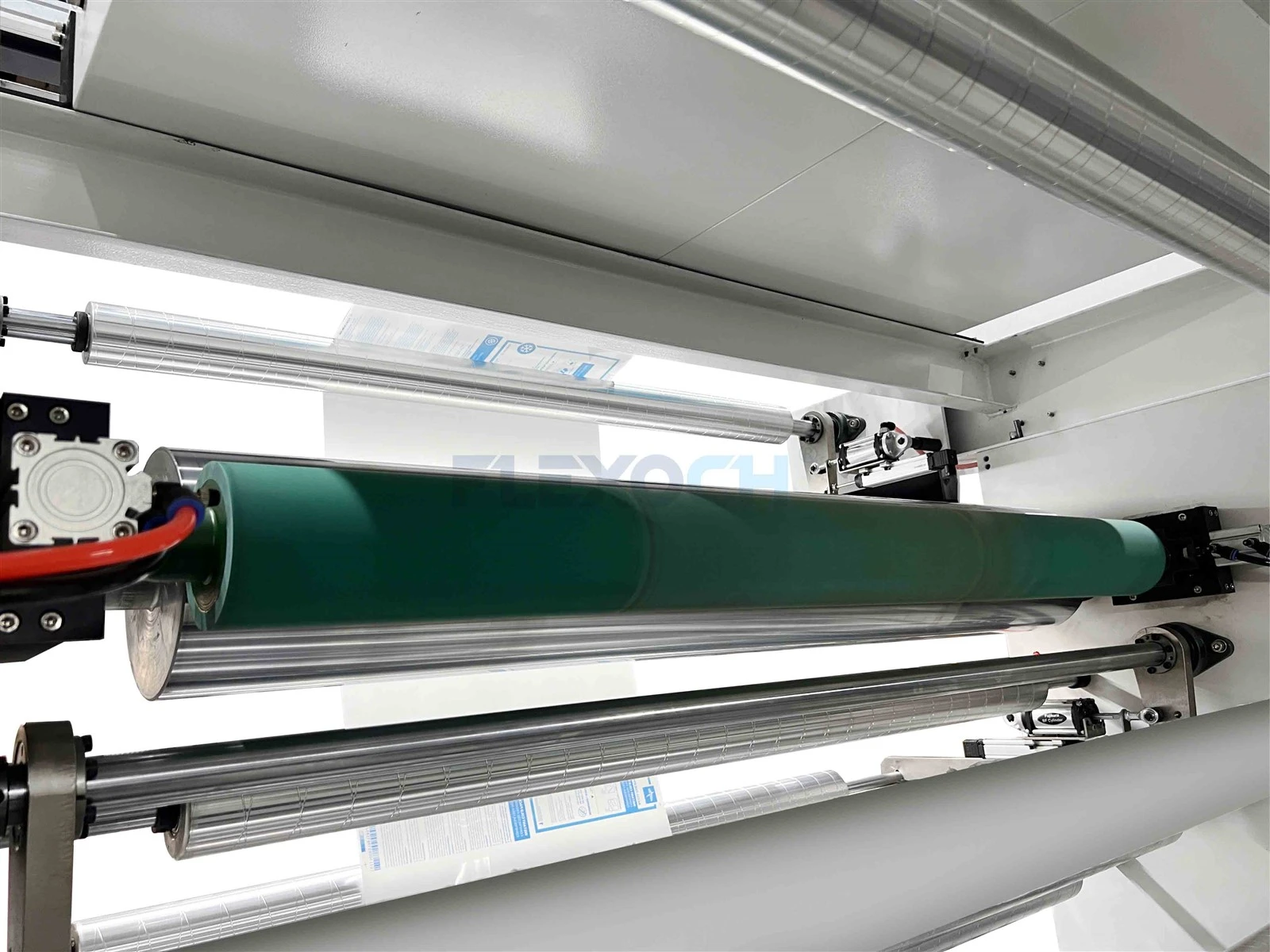
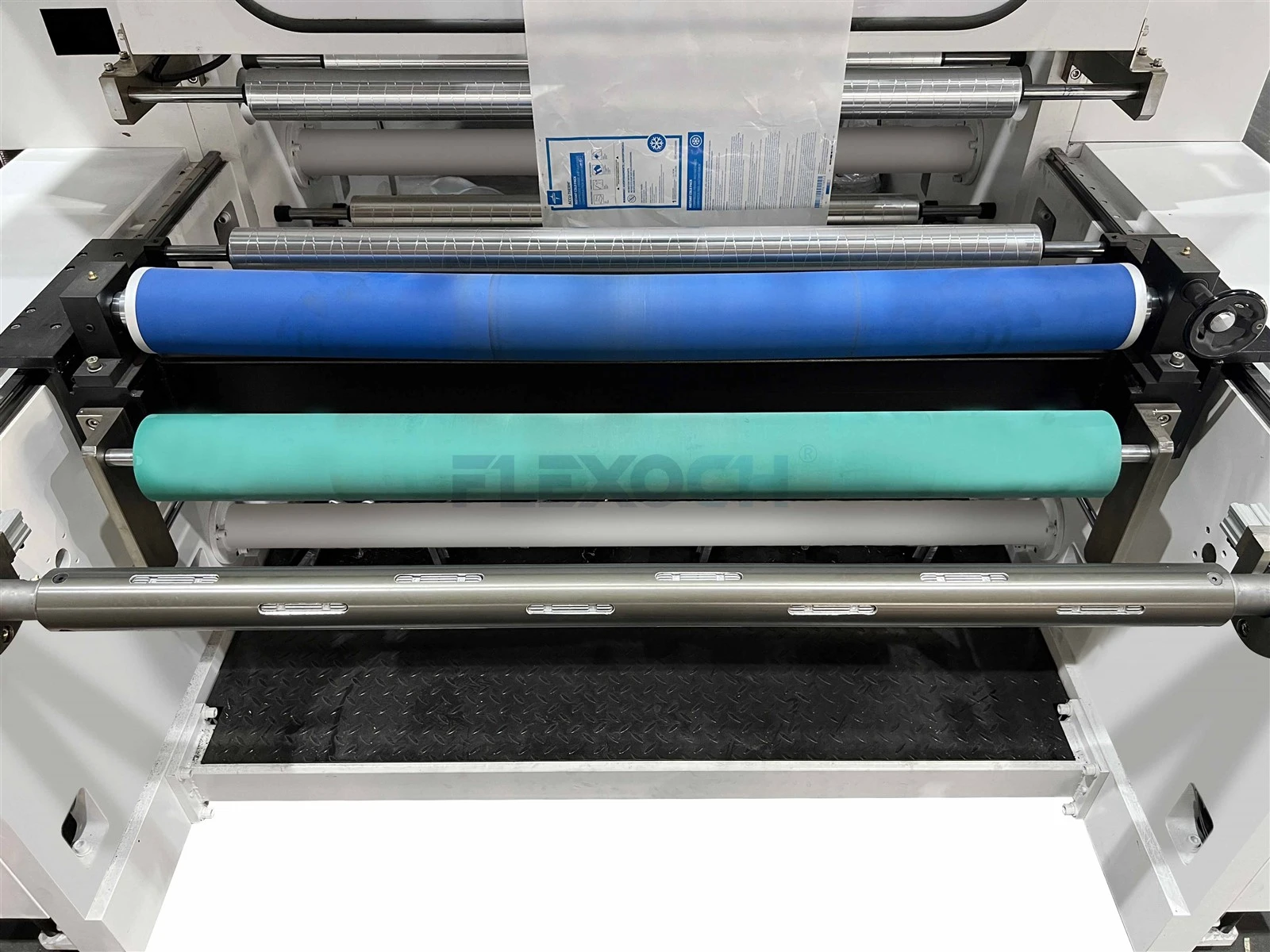
Beyond consumables, the press's moving parts-bearings, gears, and drive systems-need regular lubrication to prevent friction-related wear. CI flexo presses have dozens of bearings supporting the central drum, printing units, and web path, and these bearings rely on precise lubrication to operate smoothly. Many facilities use a generic grease for all bearings, but different parts require different lubricants: high-temperature grease for drive gears that run at high speeds, and low-viscosity oil for bearings that move at slower speeds. Using the wrong lubricant can lead to excess heat, which breaks down the lubricant and causes bearing failure.
A common mistake I see is skipping lubrication during rush periods, but even a single unlubricated bearing can cause the central drum to run off-center, leading to uneven pressure across printing units and accelerated wear on the drum surface. Create a lubrication schedule that's tied to your press's operating hours, not just calendar days: for every 500 hours of operation, inspect bearings for play and replenish lubricant. Our Central Drum Flexo Printing Machine models include a centralized lubrication system that automates this process, reducing human error and ensuring consistent coverage across all moving parts. If your press lacks this, setting up a digital reminder system (tied to your production software) can help you stay on track.
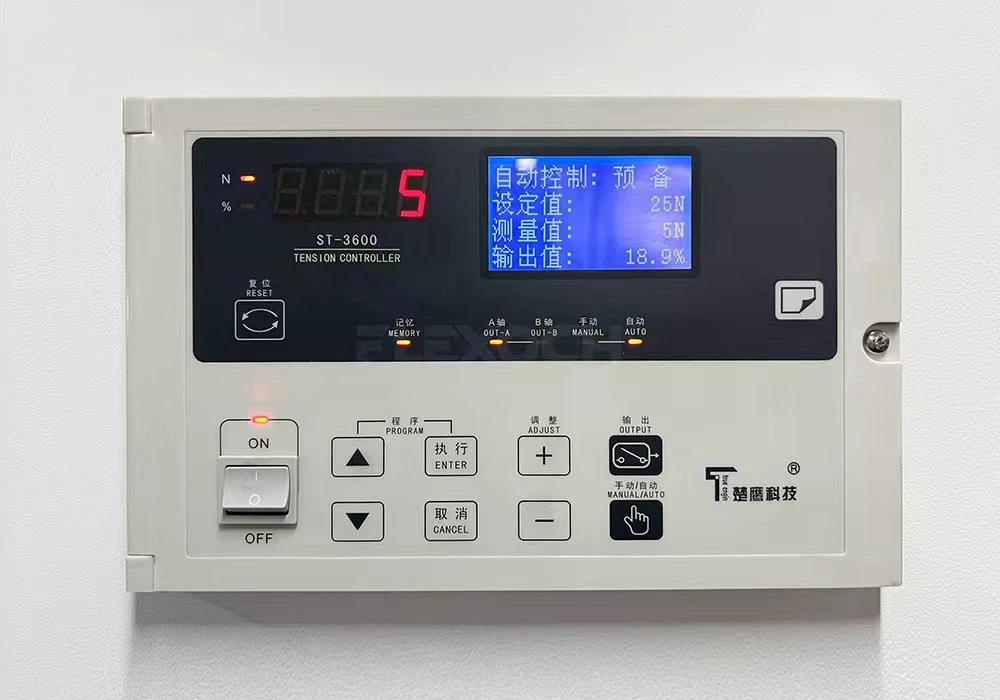
Web handling is another often-overlooked factor in extending press lifespan. The web (the substrate being printed, like film, paper, or woven sacks) moves through the press at high speeds, and misaligned web guides can cause the substrate to rub against the press's frames, rollers, or central drum. This not only creates wear on the press's metal surfaces but also can lead to web breaks, which force the press to stop abruptly-causing sudden stress on drive systems and printing units. To avoid this, inspect web guides at the start of each run, ensuring they're aligned to the web's width, and adjust tension settings gradually. Too much web tension stretches the substrate, which can pull on printing sleeves and anilox rolls, leading to misalignment; too little tension causes the web to wander, increasing the risk of rubbing.
For facilities running non-stop production, our Double Station Non-stop CI Flexographic Printer is designed to minimize web breaks and maintenance stops, with a dual-roll system that allows you to swap out substrate rolls without pausing the press. This not only increases productivity but also reduces the number of abrupt starts and stops that put stress on press components. Even if you don't have a double-station setup, training operators to handle web breaks quickly and safely (following the manufacturer's guidelines) can prevent unnecessary wear on the press's drive system.
Another key step is conducting regular performance audits of your press. Every 6–12 months, schedule a detailed inspection with a trained technician (either from your in-house team or a reputable service provider) to check for hidden wear points. These inspections should include measuring the central drum's roundness (to ensure it's not warped), checking gear mesh for play, and verifying the accuracy of the drive system's speed control. Many operators only notice issues when print quality drops, but by then, the wear is often advanced, requiring costly repairs or part replacements. For example, a slightly warped central drum might only cause minor print defects, but if left unaddressed, it can lead to complete failure of the drum's surface, requiring a full resurfacing or replacement.
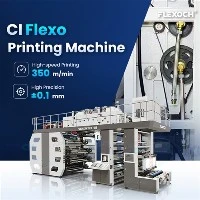
As a CI flexo press supplier, we recommend that facilities using older presses (5+ years old) upgrade their control systems during these audits. Modern CI Flexo Machine models include digital control systems that automate pressure calibration, web tension adjustment, and wear monitoring-reducing human error and extending the press's lifespan by minimizing manual adjustment mistakes. Even a software upgrade for an older press can add years of reliable use, as it eliminates outdated settings that can cause excessive wear.
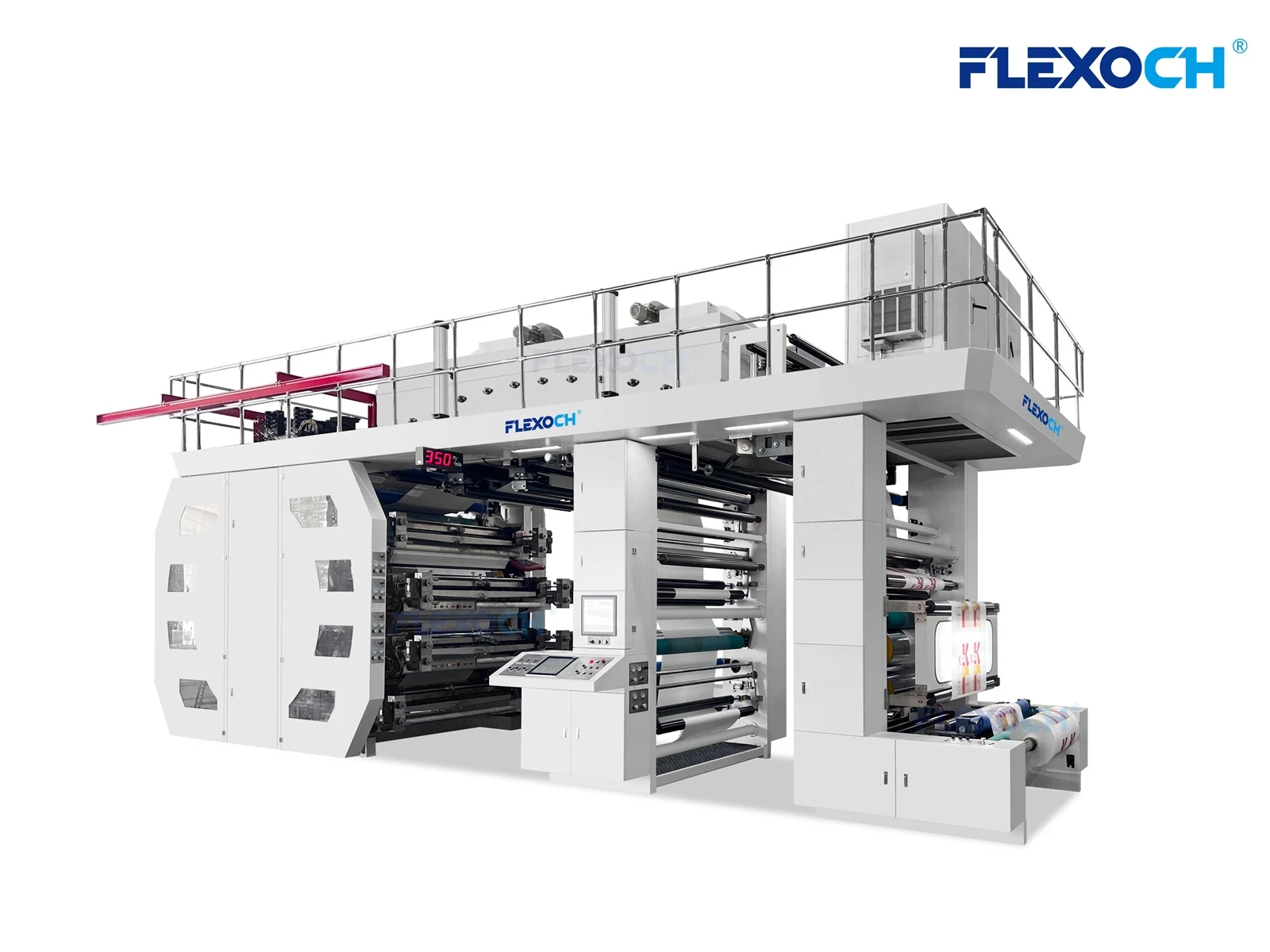
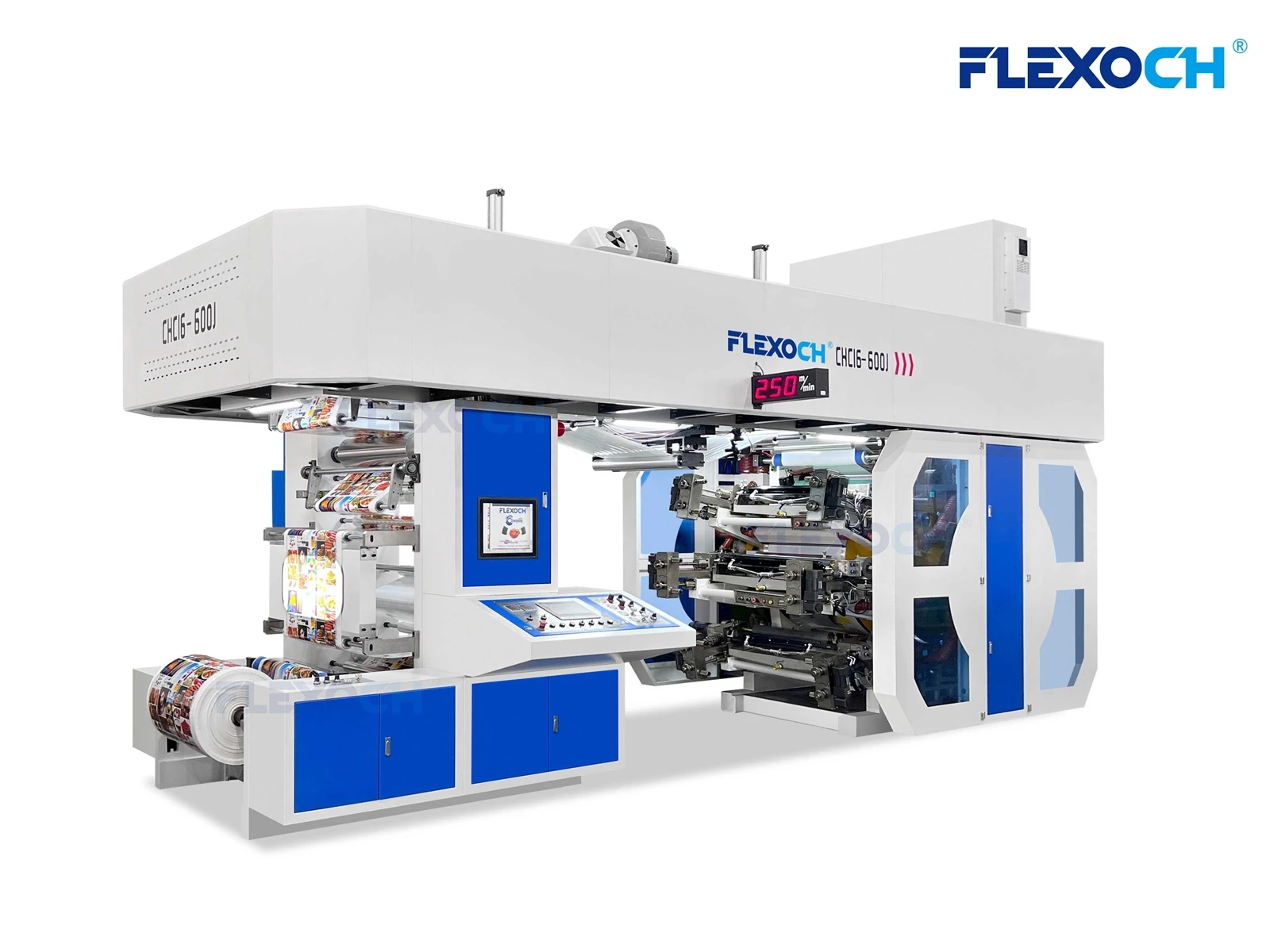
Finally, operator training is the foundation of all these steps. No matter how good your maintenance routine or equipment upgrades are, a poorly trained operator can undo all your efforts in a single run. I've seen operators run a press at 10% over its maximum speed to meet a deadline, causing the central drum to vibrate and wear prematurely; or use the wrong cleaning solvent, ruining a $1,000 sleeve in minutes. Invest in regular training for your operators, focusing on not just how to run the press, but why each step matters. For example, teaching operators that gentle sleeve cleaning preserves the sleeve's dimensional accuracy helps them understand the long-term benefit, rather than seeing it as an extra chore.
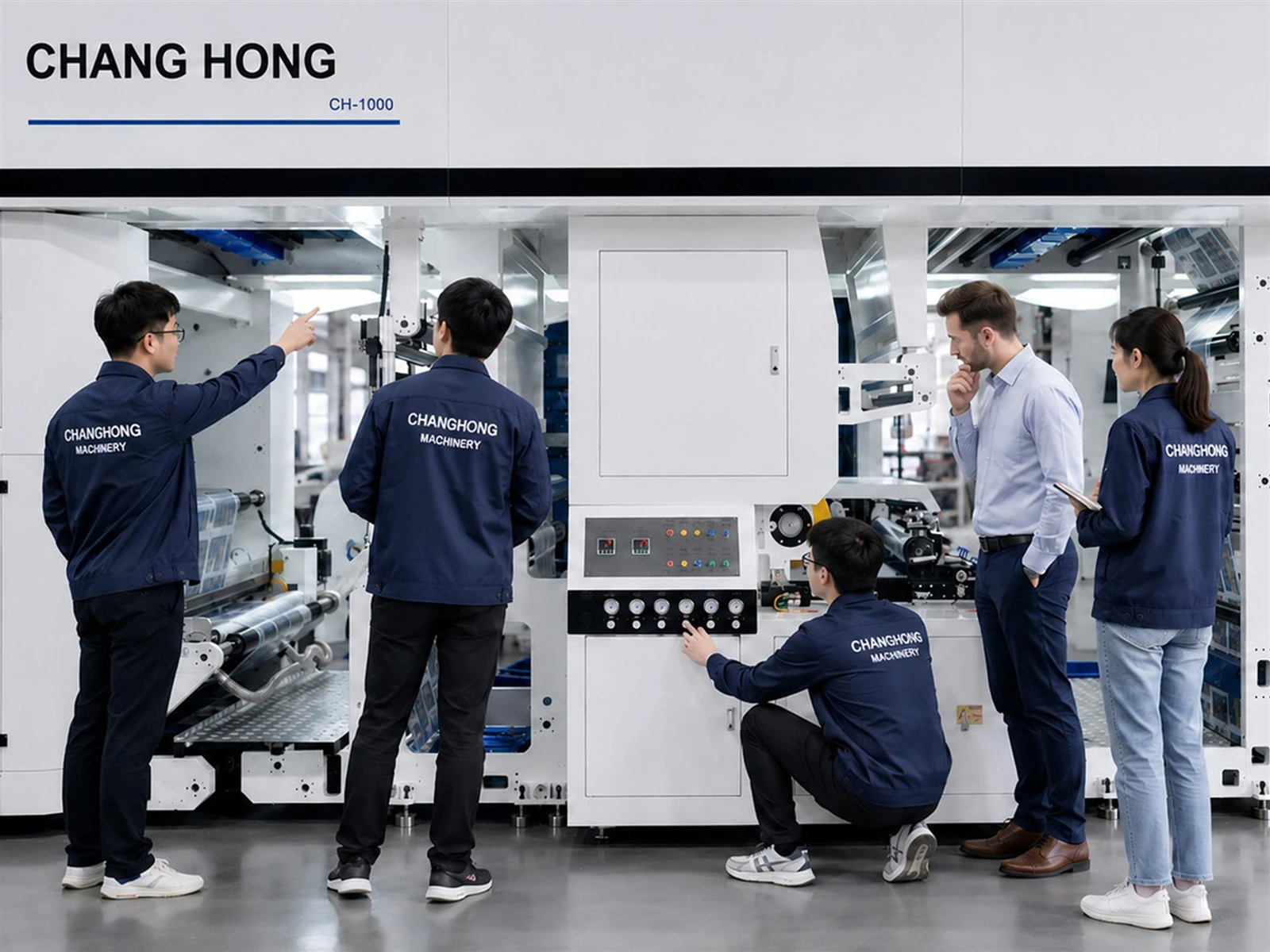
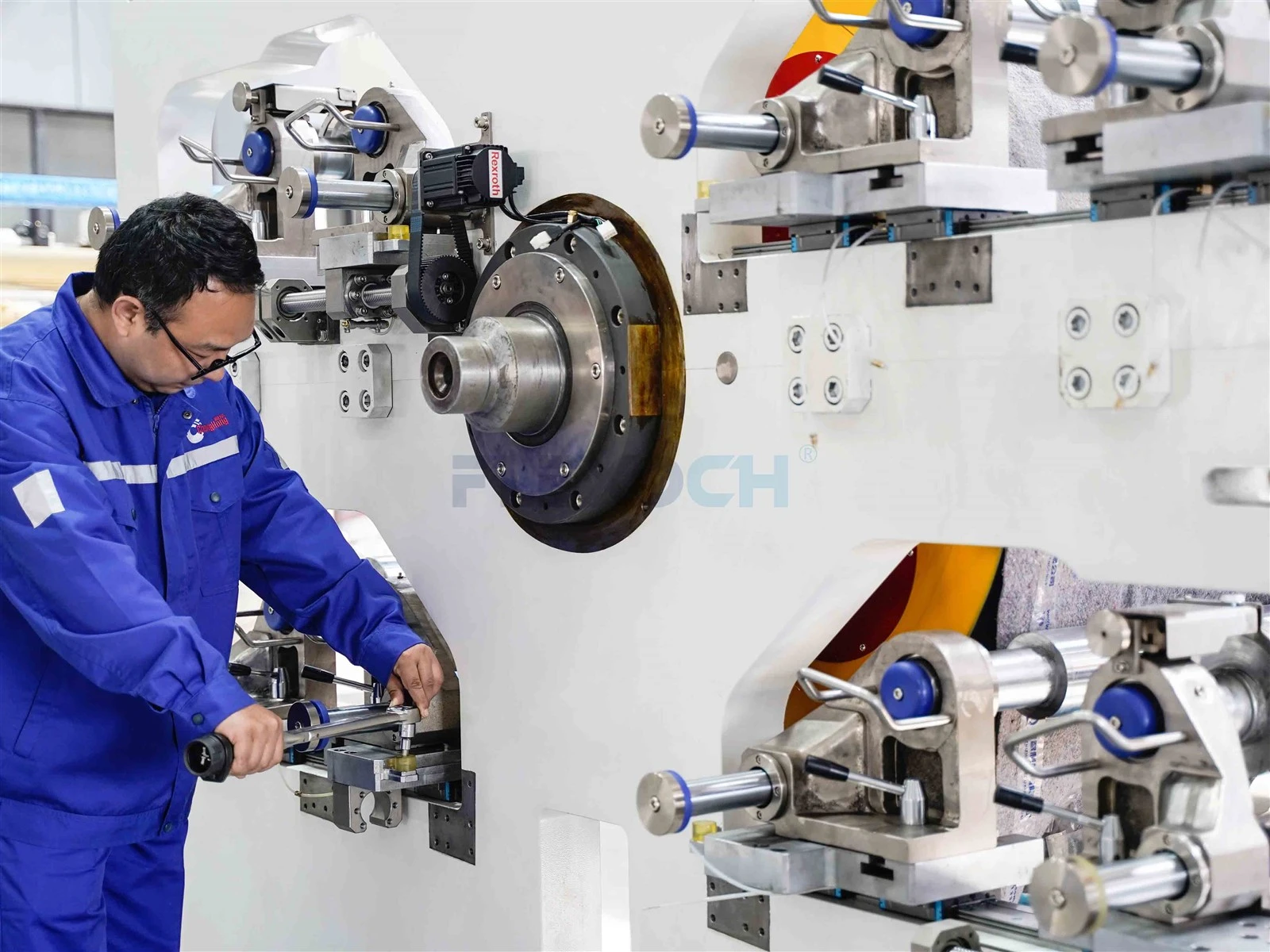
When I talk to customers about extending their CI flexo press's lifespan, I always emphasize that it's not about doing one big thing-it's about consistent, small choices: calibrate pressure, clean sleeves and anilox rolls properly, lubricate moving parts, handle the web carefully, conduct regular audits, and train your team. A press that's cared for this way will not only last longer, but will also produce higher-quality prints with fewer reworks, directly boosting your bottom line.
If you're looking to upgrade your current CI flexo press, or need guidance on maintenance routines for your existing machine, our team is here to help. We offer tailored advice for facilities of all sizes, from small label printers to large packaging plants, to ensure you get the most out of your equipment.
References
- Flexographic Technical Association. (2021). Best Practices for CI Flexo Press Maintenance and Lifespan Extension. FTA Technical Report Series.
- Packaging Machinery Manufacturers Institute. (2022). Operational Efficiency and Equipment Longevity in Flexographic Printing. PMMI Industry Insights.
- American Society of Mechanical Engineers. (2020). Wear Mechanisms in Rotating Printing Machinery: Causes and Mitigation. ASME Journal of Manufacturing Science and Engineering.
- Flexible Packaging Association. (2021). Substrate Handling and Press Wear in Flexible Film Printing. FPA Technical Bulletin.