Can a Film Flexo Printing Machine print on both sides of the film?
In the dynamic world of packaging and label printing, the ability to print on both sides of the film is a highly sought-after feature. As a reputable Film Flexo Printing Machine supplier, I often encounter inquiries from clients about the feasibility of double-sided printing using our machines. This blog post aims to explore this topic in detail, shedding light on the capabilities, challenges, and considerations associated with double-sided printing on film using flexo printing technology.
Understanding Flexo Printing Technology
Flexographic printing, commonly known as flexo printing, is a versatile and widely used printing method in the packaging industry. It involves transferring ink from a flexible relief plate to the substrate, which can be various materials including paper, cardboard, plastic film, and more. Flexo printing machines are known for their high-speed operation, excellent print quality, and the ability to handle a wide range of substrates.
The basic components of a flexo printing machine include an anilox roller, which meters the ink onto the printing plate, a printing plate cylinder that holds the printing plate, and a pressure cylinder that presses the substrate against the printing plate to transfer the ink. These components work together to create sharp, detailed prints on the substrate.
Can a Film Flexo Printing Machine Print on Both Sides of the Film?
The short answer is yes, a Film Flexo Printing Machine can be configured to print on both sides of the film. However, achieving double-sided printing requires careful consideration of several factors, including the machine's design, the type of film being used, and the printing process.
Machine Design
To print on both sides of the film, the flexo printing machine needs to be equipped with additional printing units or a special double-sided printing configuration. Some machines are designed with a turnbar system that allows the film to be flipped over between printing units, enabling double-sided printing in a single pass. Other machines may require the film to be run through the machine twice, once for each side of the print.
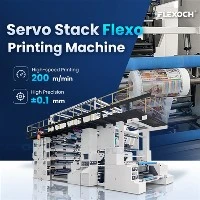
For example, our Stack Press is a popular choice for double-sided printing. It features a modular design that allows for easy addition of printing units, making it possible to configure the machine for double-sided printing. The stack design also provides excellent registration control, ensuring accurate alignment of the prints on both sides of the film.

Film Considerations
The type of film being used also plays a crucial role in double-sided printing. Different films have different surface properties, such as smoothness, porosity, and ink receptivity, which can affect the quality of the print. For example, films with a glossy surface may require a different type of ink or printing process compared to films with a matte surface.
In addition, the film's thickness and flexibility need to be considered. Thicker films may require more pressure to transfer the ink, while more flexible films may be more prone to wrinkling or stretching during the printing process. It is important to choose a film that is compatible with the flexo printing process and the specific requirements of the double-sided print job.
Printing Process
The printing process for double-sided printing is more complex than single-sided printing. It requires careful control of the ink viscosity, drying time, and registration to ensure high-quality prints on both sides of the film. For example, the ink needs to be dry enough before the film is flipped over or run through the machine again to prevent smudging or transfer of the ink to the opposite side.
In some cases, a special drying system may be required to ensure proper drying of the ink between printing passes. This can include hot air dryers, infrared dryers, or UV curing systems, depending on the type of ink being used.
Video introduction
Advantages of Double-Sided Printing on Film
Double-sided printing on film offers several advantages for packaging and label applications. Some of the key benefits include:
Increased Information Capacity
Double-sided printing allows for more information to be printed on the film, such as product details, instructions, warnings, and branding elements. This can help to enhance the consumer experience and provide more value to the end-user.
Enhanced Visual Appeal
Printing on both sides of the film can create a more visually appealing and eye-catching package or label. It allows for the use of different colors, graphics, and designs on each side, adding depth and dimension to the print.
Cost Savings
In some cases, double-sided printing can be more cost-effective than printing on two separate pieces of film or using other printing methods. It reduces the need for additional materials and labor, resulting in lower production costs.
Challenges and Considerations
While double-sided printing on film offers many advantages, it also presents some challenges and considerations that need to be addressed. Some of the key challenges include:
Registration Accuracy
Achieving accurate registration between the prints on both sides of the film can be challenging, especially when printing at high speeds. Any misalignment can result in a poor-quality print and may require reprinting or rejection of the finished product.
Ink Drying and Curing
As mentioned earlier, proper drying and curing of the ink is crucial for double-sided printing. If the ink is not dry enough, it can smudge or transfer to the opposite side of the film, affecting the print quality. This requires careful control of the drying and curing process, including the use of appropriate drying systems and ink formulations.
Film Handling
Handling the film during the double-sided printing process can be more difficult than single-sided printing. The film needs to be properly tensioned and guided to prevent wrinkling, stretching, or misalignment. This may require additional equipment or modifications to the printing machine.
Conclusion
In conclusion, a Film Flexo Printing Machine can be configured to print on both sides of the film, offering a range of benefits for packaging and label applications. However, achieving high-quality double-sided prints requires careful consideration of the machine design, film type, and printing process. As a Film Flexo Printing Machine supplier, we have the expertise and experience to help our clients overcome these challenges and achieve their double-sided printing goals.
If you are interested in learning more about our Film Flexo Printing Machines or exploring the possibilities of double-sided printing on film, please do not hesitate to contact us. Our team of experts is ready to assist you with your printing needs and provide you with the best solutions for your business.


References
- Smith, J. (2020). Flexographic Printing Technology. Wiley.
- Jones, A. (2019). Packaging Printing: Principles and Practice. Taylor & Francis.
- Brown, C. (2018). Film Printing Techniques for the Packaging Industry. Elsevier.