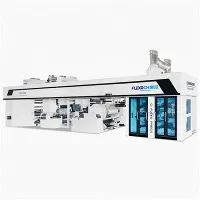
Flexographic printing presses are significantly different from traditional printing presses in many aspects. The following lists the main differences between them:
1. Classification of working mechanisms and printing versions
Flexible printing equipment:
Use flexible printing plates, which are usually made of resin or other materials, and have excellent elasticity and wear resistance.
The ink is first transferred to the printing plate through the anilox roller, and then transferred to the substrate to complete the printing process.
Common printing presses, such as lithography, letterpress or gravure printing presses, are as follows:
The working principle of the lithography printing press is that the image and non-image parts on the printing plate are almost on the same plane, and the ink transfer of the image part is achieved through the principle that water and oil do not mix.
The working principle of the letterpress printing press is that the image area on the printing plate is raised, and the ink will only adhere to this raised image area and then be transferred to the substrate.
The working principle of the gravure printing press is that the image part on the printing plate is concave, the ink is filled into the concave image part, and then the excess ink is scraped off by the ink scraper, and then the ink is transferred to the substrate.

2. Adaptability to printed items
Flexible printing equipment:
This equipment has high adaptability to printed items and can print many materials such as paper, plastic film, corrugated boxes, etc.
This material is particularly suitable for occasions where the printing surface is rough or uneven.
Common printing equipment:
For printing materials, especially lithography and letterpress printing machines, their standards for substrates are relatively high, which makes them more suitable for printing smooth paper.
Although gravure printing machines can print films and other materials, their adaptability is slightly insufficient compared to flexographic printing machines.
3.About the effect and accuracy of printing
Flexible printing equipment:
It can achieve high-definition and high-resolution printing effects, especially in the vividness and consistency of colors.
The pressure during printing is low, and the damage to printed items is relatively small, which helps to maintain the overall quality of printed items.
Common printing equipment:
Excellent performance in image detail presentation and clarity, especially in the fineness of text and lines.
However, different types of conventional printing presses have different printing effects. For example, offset printing presses may not be as good as flexographic printing presses in color reproduction.
4. About operation and maintenance
Flexible printing equipment:
This equipment is easy to operate and can change the layout very quickly. It is particularly suitable for various types and small-scale printing tasks.
This machine has a simple design and is very easy to maintain and maintain.
Common printing equipment:
It takes a long time to change the version and debug, which makes it more suitable for large-scale, single-type printing work.
Due to the complicated structure of the machine, the cost of its maintenance and maintenance may be relatively increased.
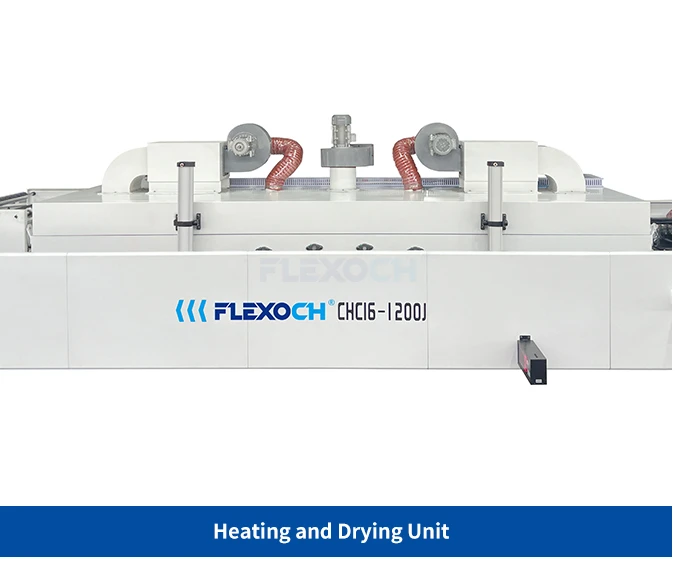
Detail Image