Driven by the rapid development of the food industry and consumption upgrading, food flexible packaging, as a core carrier for ensuring food freshness, extending shelf life and delivering brand value, has drawn extensive industry attention to its printing quality, safety standards and production efficiency. In recent years, with stricter green printing policies, rising consumer focus on food safety, and the transformation of the food flexible packaging industry toward refinement, diversification and environmental protection, traditional printing equipment can no longer meet the core demands of "safety, efficiency, environmental friendliness, precision and adaptability" for food flexible packaging.
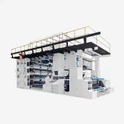
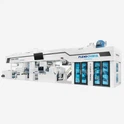
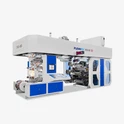
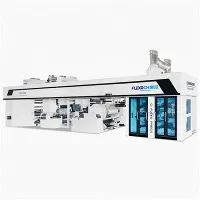
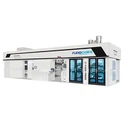
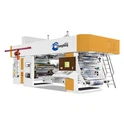
Boasting unique structural advantages, excellent printing performance, high safety compatibility and flexible application capabilities,central impression (CI) flexo printingmachines have gradually broken the limitations of traditional printing equipment, becoming the preferred choice in the food flexible packaging sector, providing strong support for enterprises to reduce costs and improve efficiency, and driving the high-quality development of the industry.

I. Core Adaptability: Natural Alignment Between Food Flexible Packaging Demands and Central impression flexo printing machine
(I) Core Demands and Industry Pain Points of Food Flexible PackagingCovering plastic films, composite films, paper flexible packaging, aluminum foil composite packaging and other types, food flexible packaging is widely used for snack foods, dairy products and other food applications. Its printing requirements are far higher than those of ordinary packaging, focusing on four key dimensions: safety, quality, efficiency and environmental protection, while facing multiple pain points. In terms of safety, printing materials must eliminate harmful substance migration and strictly comply with food safety standards. For quality, clear patterns, bright colors and precise overprinting are required to suit different material properties. In efficiency, it needs to adapt to mass production and quick job changes to respond to market iterations. Environmentally, it must solve the problems of VOC emissions and ink waste caused by traditional solvent-based printing. In addition, traditional equipment suffers from poor material adaptability, insufficient stability in mass production and great difficulty in personalized customization, failing to meet the needs of industrial upgrading.
Printing Sample


(II) Structural Advantages and Adaptability Analysis of CI Flexo Printing Press
Centered on a common impression cylinder with multiple printing units arranged annularly, Central impression Central impression flexo press feature a unique structure that accurately addresses industry pain points and matches the core demands of food flexible packaging. First, precise tension control adapts to thin flexible packaging materials, with adjustable parameters for different substrates such as PE, PP and paper to prevent material stretching and wrinkling, achieving full material compatibility. Second, ultra-high overprint accuracy within a ±0.1mm error range, combined with an automatic registration system, ensures stable multi-color printing quality to meet complex pattern requirements. Third, its compact and efficient design occupies only 50%-70% of the floor space of traditional gravure presses, with convenient job changes suitable for small-batch personalized production and lower overall costs.

Material Feeding Diagram

II. Core Strengths: Multiple Breakthroughs of CI Flexographic Printing machine in Empowering Food Flexible Packaging
(I) Safety and Compliance: Securing the Bottom Line of Food Packaging Printing Safety
Safety and compliance represent the bottom line of food flexible packaging printing. central drum flexo printing machines have established a comprehensive safety protection system. In ink compatibility, they perfectly support eco-friendly inks such as water-based and UV inks, replacing solvent-based inks to eliminate solvent residue pollution at the source with extremely low VOC emissions, suitable for high-end applications including beverage labels, snack packaging, dairy products and fresh food. In structural design, high-precision cylinders reduce ink penetration, a closed-loop ink circulation system enables recycling, and sealed printing units maintain a clean printing environment. In process inspection, advanced online detection systems monitor ink residues, pattern defects and other issues in real time, ensuring each batch meets safety standards.
(II) Cost Control: Helping Enterprises Reduce Costs, Boost Efficiency and Improve Quality
Compared with traditional printing equipment, CI flexo printing machine help food flexible packaging enterprises control costs and enhance benefits in multiple aspects. On the one hand, eco-friendly ink consumption is reduced by 20%-30% compared with traditional inks, the closed-loop circulation system further cuts ink waste, and the equipment features low energy consumption with low-temperature drying that greatly saves power costs. On the other hand, job changeover time is shortened by more than 50%, reducing material loss during debugging, and the printing speed reaches 200-500m/min in mass production, significantly improving production efficiency and shortening delivery cycles. In addition, the equipment is easy to maintain with simple replacement of wearing parts, lowering maintenance costs and downtime losses to further expand corporate profit margins.
Details Dispaly


(III) Flexible Adaptation: Meeting Diverse Scenario Demands of Food Flexible Packaging
The diverse scenarios of food flexible packaging impose high requirements on printing equipment adaptability, which Central impression flexo printing machine can flexibly satisfy. For different substrates, they precisely adjust ink transfer volume and printing pressure to adapt to plastic, paper, aluminum foil composite and other flexible packaging materials, solving the poor adhesion issue of traditional equipment. For packaging characteristics of different food categories, they flexibly adjust printing processes to ensure uniform and full colors and strong adhesion, resisting subsequent storage, transportation and other scenarios without peeling or fading. For personalized needs, they complete plate debugging and parameter setting quickly, supporting small-batch customized printing to help enterprises create differentiated packaging and enhance product competitiveness.
Video Introduction
III. Practical Application Cases and Industry Adaptability Comparison
(I) Practical Application Cases
In actual food flexible packaging production, CI flexo printing machines demonstrate stable and reliable operation. With water-based and UV ink compatibility, they effectively control solvent residues and meet strict food safety regulations. High-precision registration and stable tension control ensure consistent printing quality on thin films, plastic composites and paper-based packaging. The equipment's high running speed, short job change cycles and low material waste also help packaging manufacturers improve productivity, reduce overall production costs and enhance their market competitiveness.

(II) Adaptability Comparison with Traditional Printing Equipment
Ci Type Flexo Printing Machine show remarkable adaptability advantages over traditional gravure presses and ordinary flexographic machines in the food flexible packaging industry. Traditional gravure presses use solvent-based inks, posing safety and environmental risks with low overprint accuracy and cumbersome job changes. Ordinary flexo printing machine lack sufficient tension control, easily causing material deformation and failing to adapt to thin flexible packaging. In contrast, CI flexographic printing presses achieve breakthroughs in safety compliance, overprint accuracy, material adaptability, efficiency and cost, making them particularly ideal for food flexible packaging scenarios with high requirements for safety, quality and efficiency, and the preferred equipment for industrial upgrading.


IV. Industry Outlook: Development Trends of CI Flexo Press
As the food flexible packaging industry transitions toward greenization, intelligence and personalization, CI flexo printing presses will continue to iterate and upgrade. In the future, the equipment will further optimize environmental performance by promoting safer and more eco-friendly inks and processes to achieve zero VOC emissions. In terms of intelligence, it will integrate technologies such as the Internet of Things and AI detection to realize fully automatic control of the printing process and enhance production intelligence. For personalization, it will streamline job change processes, reduce customization costs, meet the demands of more niche and customized food flexible packaging, and expand into emerging fields such as biodegradable flexible packaging, continuously empowering the high-quality development of the food flexible packaging industry.


Conclusion
With core strengths in safety compliance, cost control and flexible adaptation, Central impression flexo printing machine perfectly fit the diverse demands of food flexible packaging, solve industry pain points and provide strong support for enterprises to reduce costs and improve efficiency. With continuous technological iteration and expanding application scenarios, CI flexographic printing machines will become mainstream equipment in food flexible packaging printing, driving the industry toward greener, more efficient and higher-quality development and supporting the sustainable and healthy progress of the food industry.