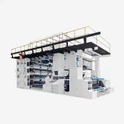
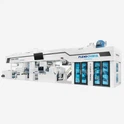
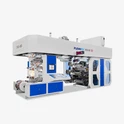
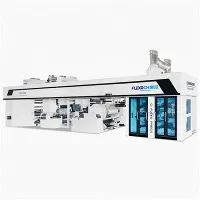
This is a common concern for packaging printers when selecting flexo printing machine. The short answer is yes. However, proper machine configuration must be selected according to the paper or composite material type, thickness, surface properties and finished-product requirements.
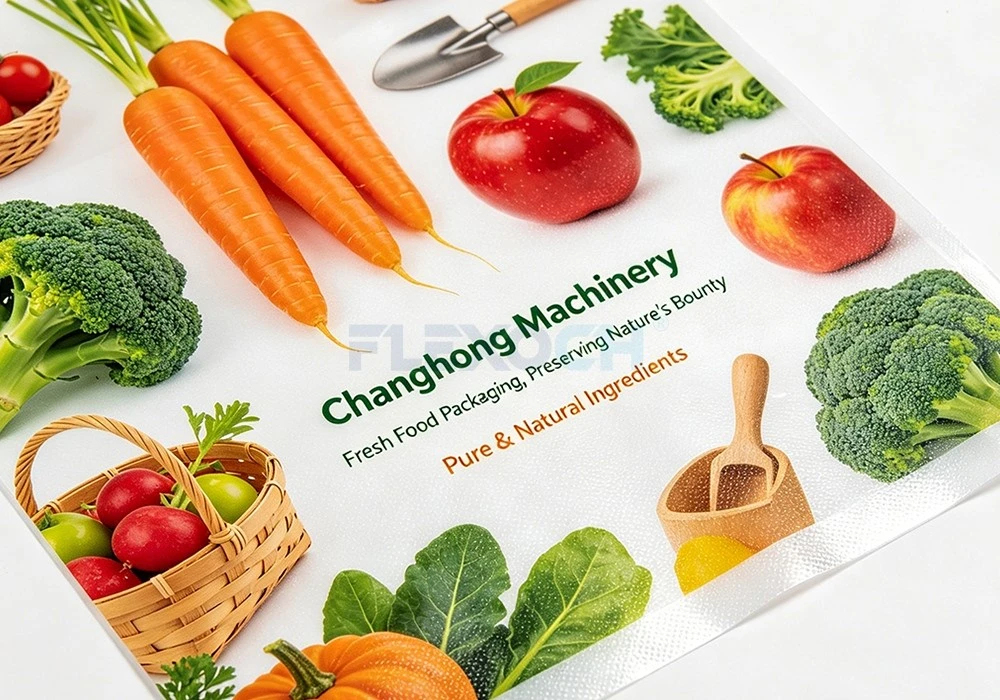
CI flexo printing machines are widely used for flexible packaging printing on plastic films including PE, BOPP and PET. Thanks to technical improvements in flexography, modern machines are also capable of processing certain paper grades, coated stock, paper-plastic laminates and other flexible multi-layer materials.
Numerous print houses producing food, personal-care, industrial and eco-friendly packaging run mixed-material jobs. A well-configured unit featuring robust material adaptability and accurate tension control is well-suited to satisfy such varied packaging printing needs.
1.Why Can CI Flexo Printing Machine Print on Paper?
Equipped with a central impression cylinder, CI flexo printing machines fix printing units around the central drum. The substrate fits closely to the cylinder during operation, effectively avoiding position deviation and ensuring accurate multi-color overprinting. Unlike plastic films, paper has unique stiffness, ink absorption and surface characteristics, making stable tension control the core of paper printing.
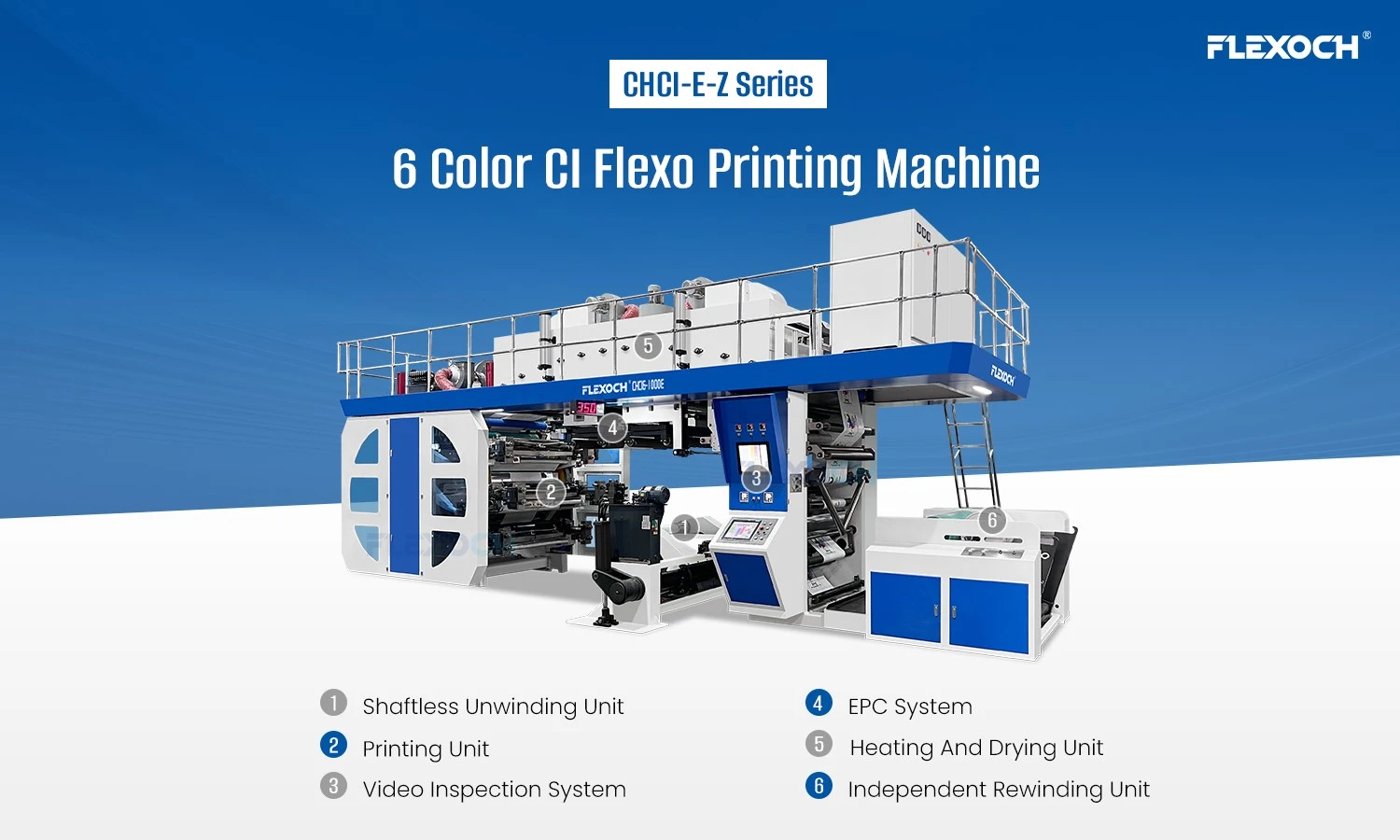
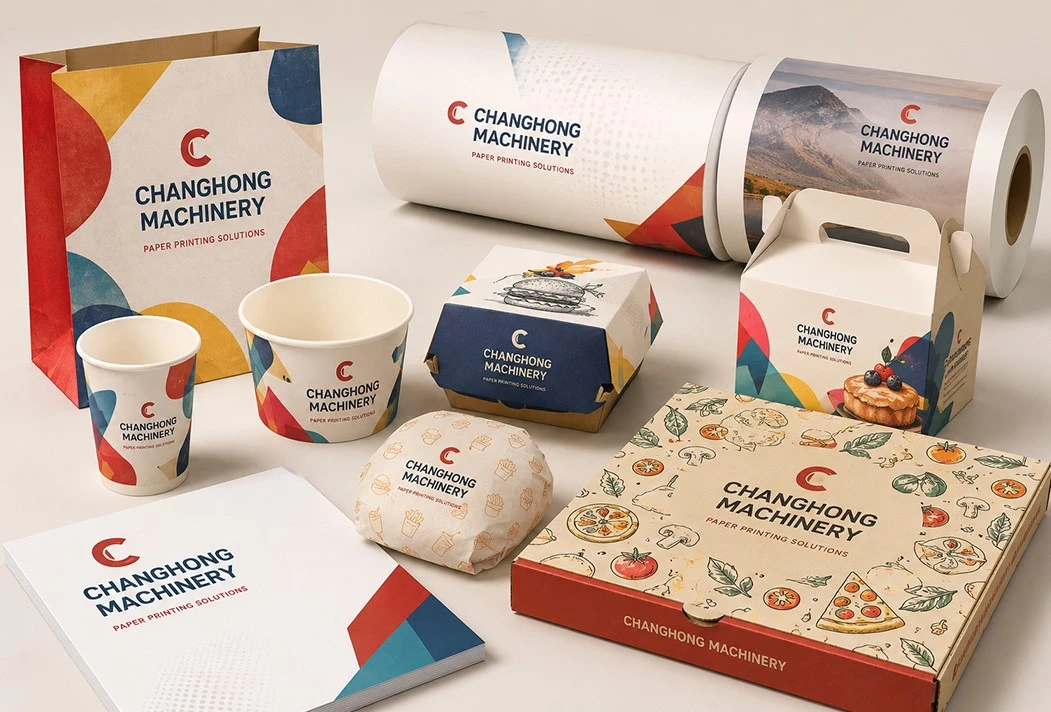
Professional CI flexo systems adopt precise unwinding, constant tension control, adjustable printing pressure and stable rewinding structures. Matched with customized paper guiding and high-efficiency drying systems, they effectively solve common paper printing problems such as wrinkling, deviation and inconsistent printing quality. The equipment is ideal for paper sacks, food paper packaging, coated paper and other flexible paper-based products.
2.Applicable Paper Types for CI Flexo Printing
CI flexo printing machine adapt to most mainstream packaging paper materials with parameter adjustment:
Kraft Paper: High strength and good toughness make it suitable for shopping bags, food packaging bags and industrial packaging. Optimized tension control supports stable high-volume continuous printing.
Coated Paper: With a smooth surface and excellent printability, it fits high-definition graphic packaging production. Printing effects can be optimized by adjusting anilox rolls, plates and ink systems.
Food-grade Paper: Matched with food-safe water-based inks, the machine meets hygienic standards for food paper packaging and is widely used in snack and dry food packaging.
3.Can CI Flexo Printing Machines Handle Composite Materials?
Beyond paper substrates, CI flexo printing machines support printing on a range of composite substrates.
Modern flexible packaging frequently adopts multi-layer constructions to boost barrier performance, heat resistance and mechanical strength. Common examples include film-to-film lamination, paper-plastic laminates and other functional composite webs.
Composite substrates display unique surface behaviours and tension responses, placing higher stability requirements on printing machinery. The central impression drum design maintains steady web transport throughout multi-colour printing, preserving register accuracy and graphic consistency.
Actual compatibility for a given CI flexo model depends on composite construction, total thickness, surface treatment and chosen ink chemistry.
Common Composite Substrates
- Plastic-based Composites
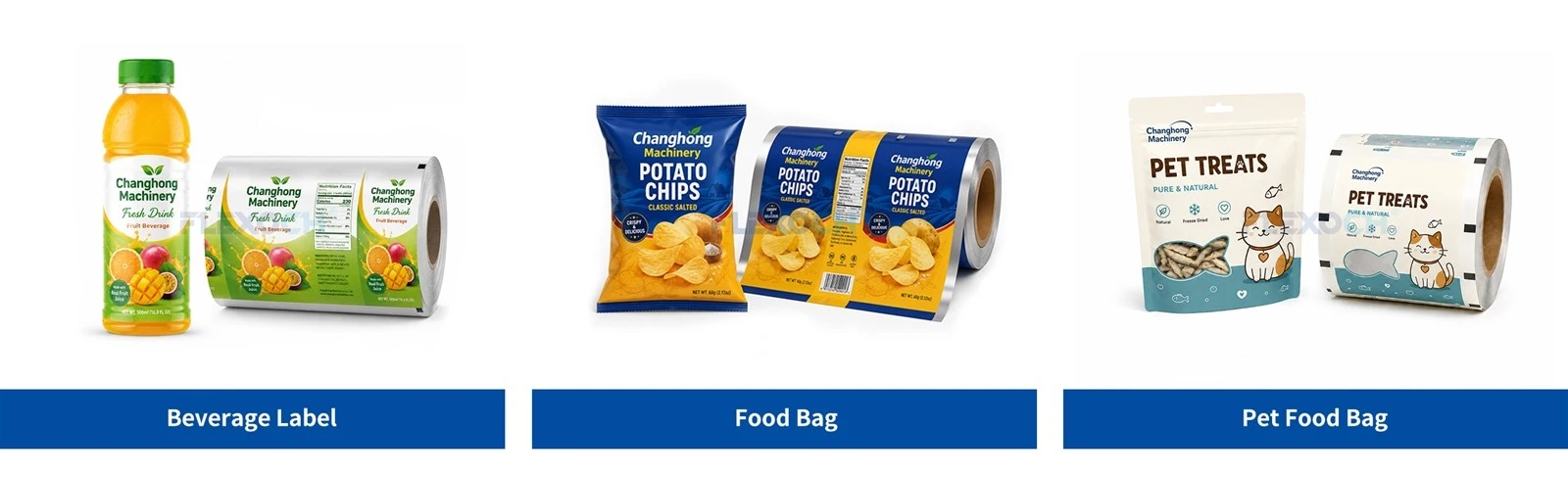
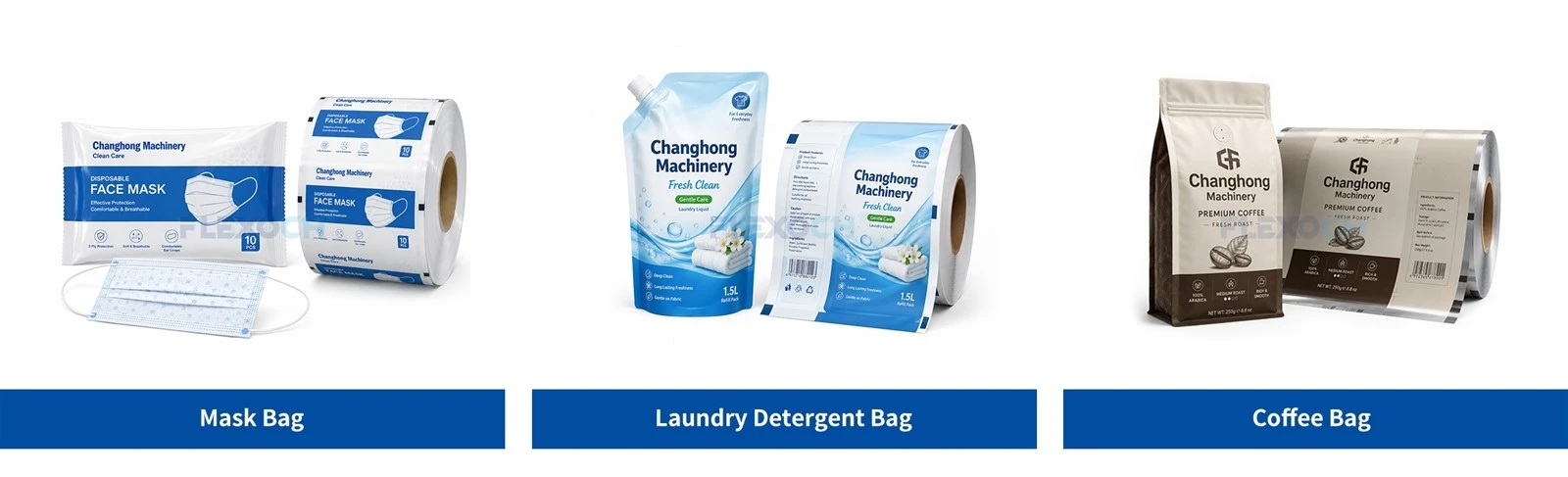
Laminated structures built from PE, BOPP, PET, CPP and other films serve food, personal care, beverage and industrial packaging markets.CI flexo printing machine adjust tension and print settings to deliver stable multi-colour results across varied film laminates.
- Paper-plastic Composites
Paper-plastic laminates combine properties from both paper and polymer films for food sachets, household product packaging and bag-format goods. Divergent elongation rates, surface energy and tension behaviour between paper and plastic layers demand robust tension regulation and broad substrate adaptability from the press.
- Multi-layer Functional Composites
Numerous food-grade and performance-focused packaging solutions use multi-layer constructions to achieve moisture barrier, oxygen barrier or heat-resistant properties. Prior to printing, operators must verify printability and surface treatment status of the outer printable layer.
Customised machine configuration is recommended when running composite substrates on CI flexo printing machine .
Printing Sample
4.Key Machine Configurations for Paper and Composite Substrates
To run plastic films, paper and composite webs interchangeably, the CI flexographic printing machine needs hardware optimised for broad-range substrate compatibility.
1.Robust Tension Control:Different substrates feature vastly different elongation values. Accurate, tunable tension ranges prevent web wandering, creasing and register errors across paper, film and composite materials.
2.Adjustable Printing Pressure:Surface hardness, thickness and flexibility differ among substrates. Excessive pressure degrades print quality, while insufficient pressure causes incomplete ink transfer. Precise pressure adjustment is essential.
3.High-efficiency Drying Systems:Various ink formulations demand tailored drying capacity. Sufficient drying performance at high production speeds avoids set-off, blocking and winding-related defects.
4.Optimised Unwind and Rewind Assemblies:Paper and composite rolls have distinct winding characteristics. Dedicated unwinding and rewinding control eliminates web-related defects during long-run continuous production.
5.Broad Substrate Compatibility:If future production will expand from plastic films into paper and composite work, confirm the press' substrate capability scope at the procurement stage.
Investing in a CI flexo press with wide material adaptability maximises machine utilisation and accommodates new product development.
Video Introduction
5.Application Scenarios for Paper and Composite Printing with CI Flexo Printing Press
- Paper-based and composite substrates occupy extensive segments within the global packaging industry.
- In food packaging, CI flexo printed outputs cover food sacks, dry-goods pouches, snack packaging and multiple paper-based food-safe formats.
- For personal care packaging, suitable applications include laundry product packaging, personal-care sachets and household cleaning goods.
- Within industrial packaging, the equipment serves industrial sacks, agricultural packaging and further continuously-processed web-format products.
- Eco-conscious packaging drives growing adoption of paper-based stocks and recyclable composite materials, raising performance expectations for flexo printing machinery.
- Matching Ci flexo printing press configuration to actual substrates unlocks full production flexibility for packaging converters.
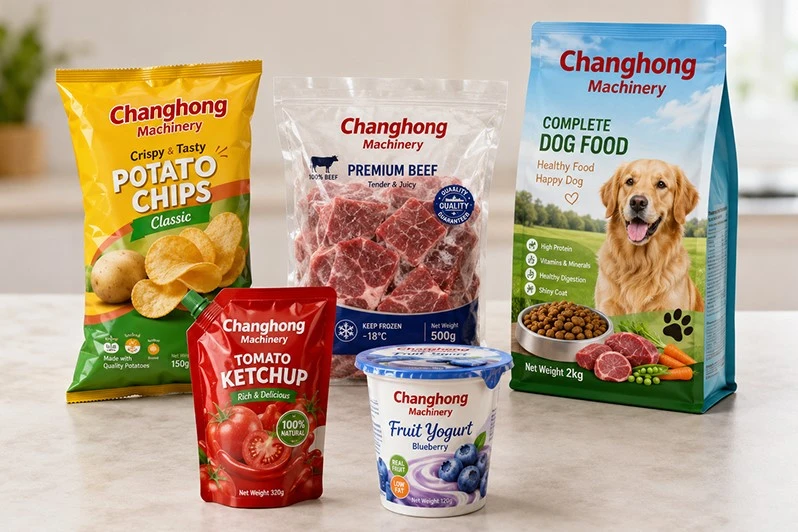
Food Packaging
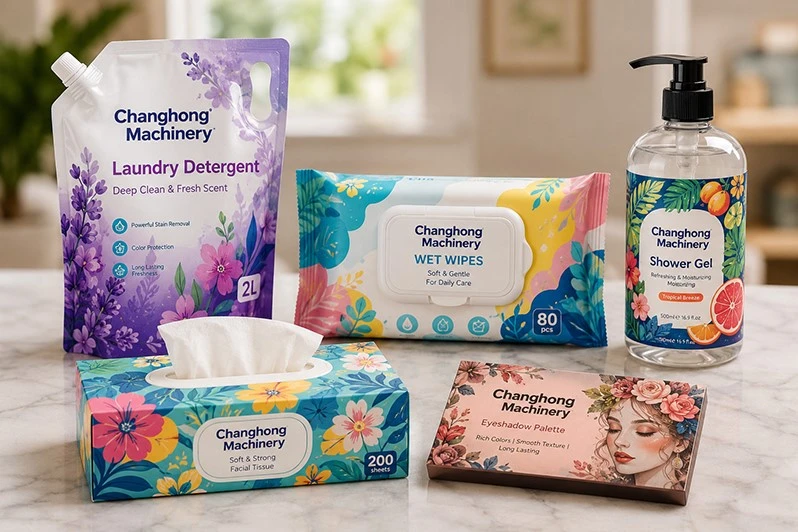
Daily Chemical Packaging
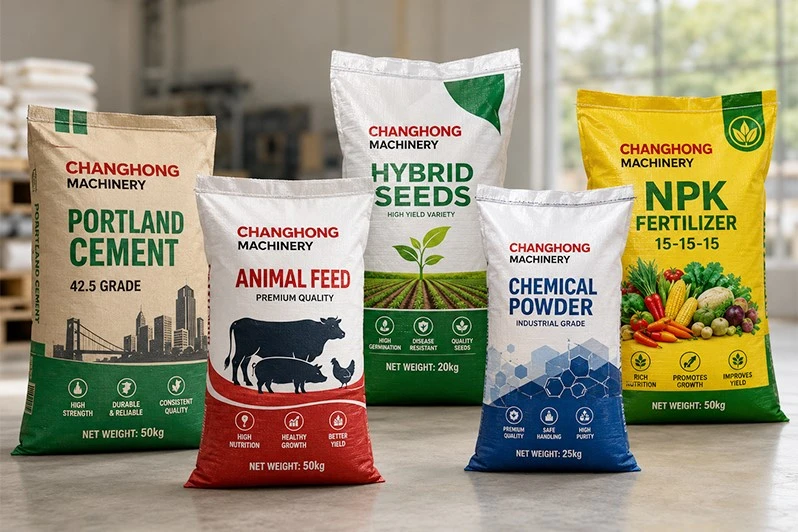
Industrial Packaging
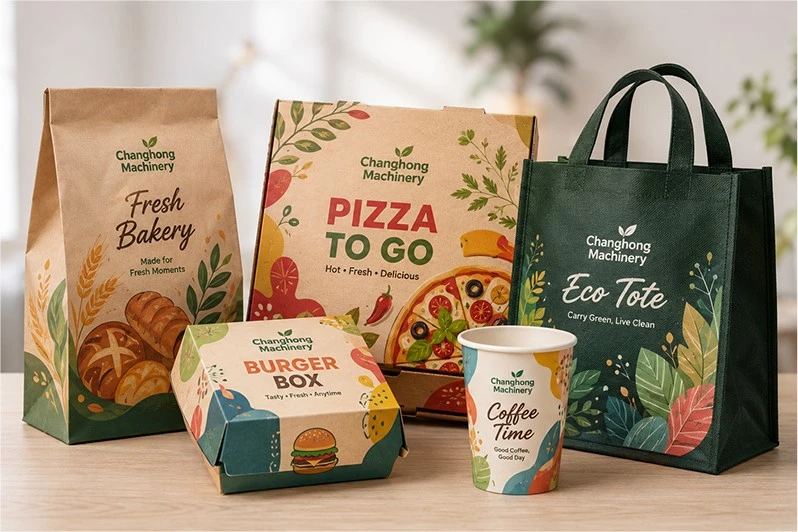
Eco-Friendly Packaging
6.How to Select a Suitable CI Flexo Printing Machine for Paper and Composite Work
- If plastic film remains the primary output while occasional paper and composite jobs are required, select a CI flexo printing press built for wide-ranging substrate adaptability.
- If paper sacks and paper-centric packaging dominate production, prioritise tension stability, web handling performance and fine print-pressure adjustability for paper webs.
- For multi-layer flexible composite packaging as core business, verify press compatibility against exact composite build-ups, material caliper and surface treatments.
In short, fitness for paper or composite printing depends not only on the CI press platform itself, but crucially on hardware configuration matching real-world substrate properties.
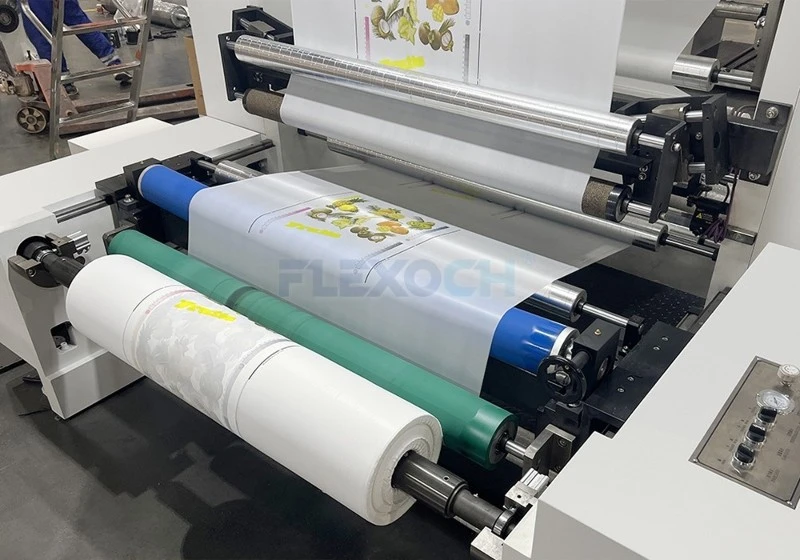
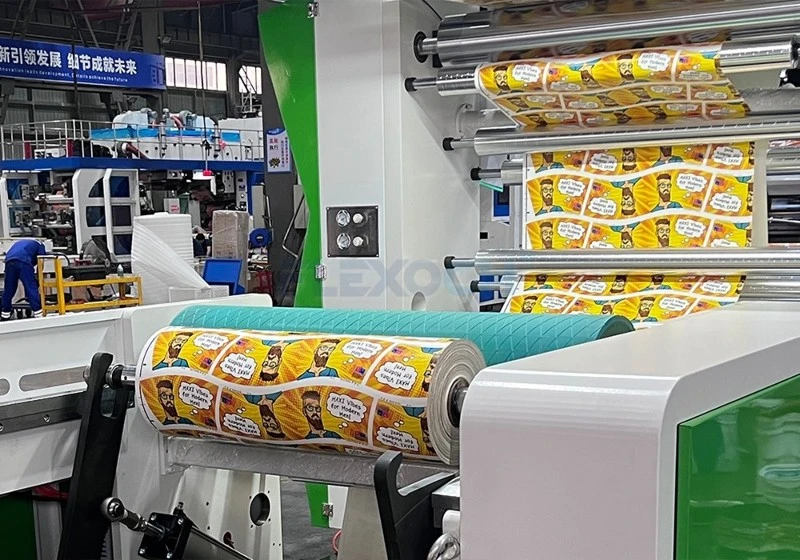
7.Changhong CI Flexo Printing machines
Changhong specialises in research, development and manufacturing of flexo printing machinery. We deliver custom central-impression printing solutions tailored to customer substrates, finished-product specifications and production targets.
Our CI flexo printing machines can be configured for plastic films, selected paper grades and composite materials. Customised engineering covers tension management, print-pressure tuning, drying performance and unwind-rewind assemblies.
For converters running mixed production of flexible film packaging, paper-based packaging and laminated composite packaging, a highly adaptable unit improves overall equipment effectiveness and leaves room for future product portfolio expansion.
If you are sourcing equipment capable of paper and composite printing, share detailed substrate specifications or physical material samples during project evaluation. This enables us to define the optimal machine configuration aligned with your real-world operating conditions.

8. FAQ
Q1. What machine requirements apply for composite material printing?
A1. Key requirements include stable tension control, adjustable print pressure, effective drying and reliable unwind-rewind systems. Requirements vary by material structure and thickness.
Q2. How can I confirm whether a CI flexo printing press suits my substrates?
A2. Provide the material type, structure, thickness, web width, print colours, speed and ink type for technical assessment.
Q3. Can the CI flexo printing machine support high-speed continuous production?
A3. Yes. It is designed for stable multi-colour printing and can be configured for high-speed, long-run production.
Q4. What maintenance does the machine require?
A4. Regular cleaning, lubrication and inspection of key systems help maintain stable performance and extend service life.
Q5. What after-sales support is available after installation?
A5. Support can include installation, commissioning, operator training, troubleshooting and spare parts assistance.
9.Conclusion
CI flexo printing machines are not limited to plastic-film printing. With purpose-built configurations, they deliver qualified output for selected paper grades and composite laminates.
For modern packaging converters, broad substrate adaptability represents a major equipment advantage. Whether processing PE, BOPP, PET films, kraft paper, coated paper or paper-plastic composites, successful production relies on matching machine configuration to actual substrate parameters. Supported by precise tension control, well-calibrated printing units, high-capacity drying and robust unwind-rewind hardware,CI flexo printing machine deliver stable, high-speed continuous printing solutions for a diverse spectrum of packaging substrates.