Pressure distribution within CI presses during operation is a critical aspect that significantly influences the printing quality, consistency, and overall efficiency of the printing process. As a reliable CI presses supplier, we understand the intricate details of how pressure behaves in these machines, and it is essential to share this knowledge with those in the industry who are looking to optimize their printing operations.
The Concept of Pressure in CI Presses
CI, or central impression, presses are designed with a large central impression cylinder around which multiple printing units are arranged. The pressure in these presses is the force applied between different components during the printing process, primarily between the printing plate cylinder, the anilox roller, and the central impression cylinder. This pressure is crucial for the transfer of ink from the anilox roller to the printing plate and then from the printing plate to the substrate.
During the operation of a CI press, the pressure distribution is not uniform across all components. The distribution of pressure can vary depending on several factors, including the type of substrate being printed, the ink viscosity, the speed of the press, and the condition of the printing components. For instance, when printing on a thick or uneven substrate, the pressure needs to be adjusted to ensure that the ink is transferred evenly across the entire surface of the substrate.
Factors Affecting Pressure Distribution
Substrate Characteristics
The type of substrate used in CI presses has a direct impact on pressure distribution. Different substrates, such as paper, plastic, or cardboard, have varying thicknesses, surface roughness, and absorbency. When printing on a smooth surface, less pressure may be required compared to printing on a rough or porous surface. For example, if the substrate is highly absorbent, more pressure may be needed to ensure that the ink penetrates the surface and provides a clear, sharp print.
Ink Properties
The viscosity and flow characteristics of the ink also play a vital role in pressure distribution. Ink with high viscosity will require more pressure to be transferred from the anilox roller to the printing plate and then to the substrate. On the other hand, low - viscosity ink may spread more easily, but too little pressure can result in inconsistent ink coverage. The ink's drying properties also need to be considered, as improper pressure distribution can lead to issues such as smudging or poor adhesion.
Press Speed
The speed at which the CI press operates affects the pressure distribution. As the press speed increases, the time available for ink transfer decreases. This requires a more precise pressure distribution to ensure that the ink is transferred effectively within the shorter time frame. Higher press speeds may also cause dynamic forces that can alter the pressure between the printing components, leading to variations in print quality.

Component Condition
The condition of the printing components, such as the anilox roller, the printing plate cylinder, and the central impression cylinder, is crucial for proper pressure distribution. Wear and tear on these components can lead to uneven pressure distribution. For example, a worn - out anilox roller may not transfer ink uniformly, resulting in inconsistent print quality. Regular maintenance and inspection of these components are necessary to ensure optimal pressure distribution.
Measuring and Controlling Pressure Distribution
Pressure Measurement Tools
To ensure proper pressure distribution, it is essential to use appropriate pressure measurement tools. One common method is the use of pressure - sensitive films. These films change color when pressure is applied, and the color intensity is proportional to the pressure. By placing the pressure - sensitive film between the printing components, such as the anilox roller and the printing plate cylinder, the pressure distribution can be visualized and measured.
Another method is the use of pressure sensors. These sensors can be installed in strategic locations within the press, such as on the bearings of the cylinders. The sensors provide real - time data on the pressure exerted at different points, allowing operators to monitor and adjust the pressure as needed.
Pressure Control Systems
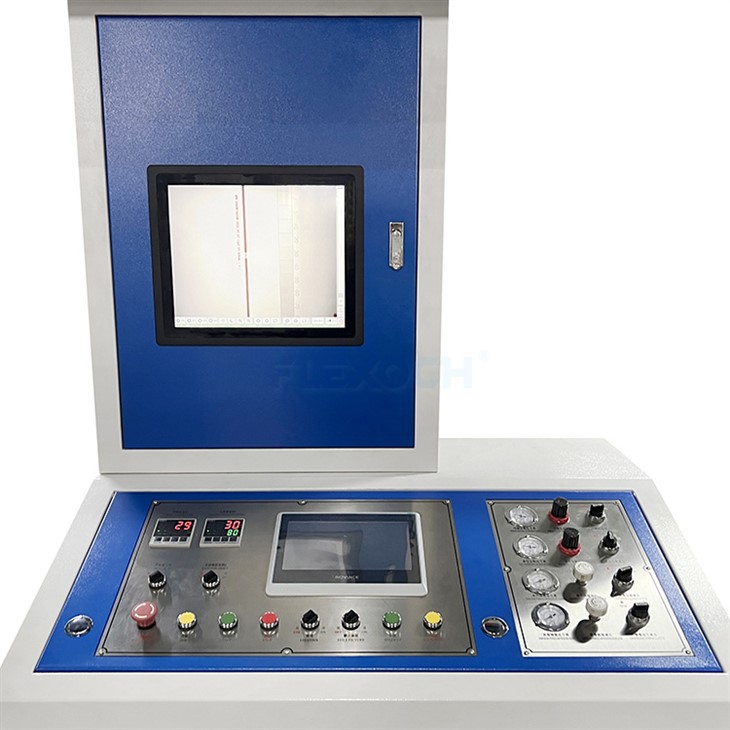
Modern CI presses are equipped with advanced pressure control systems. These systems use feedback from the pressure sensors to automatically adjust the pressure between the printing components. For example, if the pressure on one side of the printing plate is too high, the control system can adjust the pressure to ensure a more uniform distribution. This not only improves print quality but also reduces the need for manual intervention, increasing the efficiency of the printing process.
Impact of Proper Pressure Distribution on Printing Quality
Proper pressure distribution is directly related to the quality of the printed output. When the pressure is distributed evenly, the ink is transferred uniformly from the anilox roller to the printing plate and then to the substrate. This results in sharp, clear images and consistent color reproduction.
In contrast, uneven pressure distribution can lead to several printing defects. For example, if the pressure is too low in some areas, the ink may not be transferred adequately, resulting in faint or incomplete prints. On the other hand, if the pressure is too high, it can cause the ink to spread, leading to blurred images or ink bleeding.
Our CI Presses Offerings
As a CI presses supplier, we offer a range of high - quality machines, including the Central Impression Flexo Press. These presses are designed with advanced pressure control systems to ensure optimal pressure distribution during operation. Our Gearless flexo printing press eliminates the need for gears, reducing mechanical vibrations and providing more precise pressure control. For those with specific production requirements, our 8 Color Flexo Printing Machine offers the ability to print with multiple colors while maintaining excellent pressure distribution and print quality.
Contact Us for Better Printing Solutions
If you are in the market for a CI press that offers superior pressure distribution and excellent print quality, we encourage you to reach out to us. Our team of experts can provide you with detailed information about our products, help you select the right machine for your specific needs, and offer after - sales support services. We are committed to helping you optimize your printing operations and achieve the best possible results.
References
- Smith, J. (2018). Printing Press Technology: A Comprehensive Guide. Publisher A.
- Johnson, K. (2019). Ink Transfer and Pressure Distribution in Flexo Printing. Journal of Printing Science, Vol. 25(3), pp. 123 - 135.
- Brown, L. (2020). Advances in Pressure Control Systems for CI Presses. International Printing Conference Proceedings, pp. 45 - 52.