Flexo printing presses are essential equipment in the packaging and printing industry. As a supplier of flexo printing presses, I've seen firsthand how well - trained operators can make a huge difference in the quality and efficiency of the printing process. So, what's the best way to train operators for a flexo printing press? Let's dive in.
Understanding the Basics First
Before getting hands - on with the machine, operators need a solid understanding of the basic principles of flexo printing. Flexography is a form of relief printing where the image to be printed is raised above the non - printing areas. The ink is transferred from an anilox roller to the printing plate and then onto the substrate.
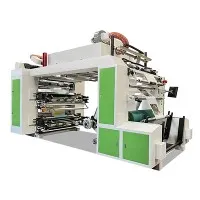
I usually start the training by having operators study the components of the flexo printing press. They learn about the unwind and rewind units, the printing units with their anilox rollers and printing plates, and the drying systems. It's like learning the parts of a car before you start driving. You need to know what each part does and how it interacts with the others.
For instance, the anilox roller is crucial for metering the ink. If the operator doesn't understand how its cell structure affects ink transfer, they might end up with inconsistent ink coverage on the printed material. So, in the initial training phase, we spend a good amount of time on theory, using diagrams, videos, and even physical models to explain these concepts.


Hands - on Training on the Machine
Once the operators have a grasp of the theory, it's time to get them on the machine. But we don't just throw them in at the deep end. We start with simple tasks. For example, we have them set up the printing plate on the plate cylinder. This involves cleaning the cylinder, applying the correct adhesive, and carefully positioning the plate. It might seem like a small task, but it's an important step in the overall printing process.
After that, we move on to adjusting the anilox roller and the ink flow. Operators learn how to measure the ink viscosity and adjust the settings accordingly. They also practice changing the ink colors, which requires thorough cleaning of the ink system to prevent color contamination.
One of the great things about our Gearless flexo printing press is that it's relatively easy to operate. The gearless design reduces mechanical vibrations, which means more consistent printing quality. And the digital controls make it easier for operators to adjust settings accurately.
We also have them run test prints on different substrates, like paper, plastic, and cardboard. Each substrate has its own characteristics, and the operator needs to know how to adjust the printing parameters for the best results. For example, paper might require a different drying temperature compared to plastic.
Safety Training
Safety is always a top priority when operating a flexo printing press. These machines have moving parts, hot drying systems, and use chemicals like inks and solvents. So, we make sure that operators are well - trained in safety procedures.
They learn how to properly wear personal protective equipment (PPE), such as gloves, goggles, and earplugs. We also teach them how to lock out and tag out the machine before performing maintenance or cleaning. This prevents accidental startup of the machine while someone is working on it.
In addition, we train them on handling the chemicals safely. They learn about proper storage, handling, and disposal of inks and solvents. For example, solvents are flammable, so operators need to know how to store them in a well - ventilated area away from heat sources.
Video Introduction
Problem - Solving Skills
Even with the best - trained operators, problems can still occur during the printing process. That's why we focus on developing their problem - solving skills. We present them with common issues, like ink splattering, registration problems, or poor print quality, and guide them through the troubleshooting process.
For example, if there's ink splattering, the operator needs to check the ink viscosity, the speed of the anilox roller, and the alignment of the doctor blade. We teach them to use a systematic approach to identify the root cause of the problem. They start by looking at the obvious things and then move on to more complex checks.
We also encourage operators to keep a log of any problems they encounter and the solutions they find. This helps them build a knowledge base over time and makes it easier to handle similar issues in the future.
Continuous Training and Updates
The flexo printing industry is constantly evolving. New technologies are being developed, and there are always improvements in ink formulations, printing plates, and machine designs. That's why continuous training is essential.
We offer regular training sessions to keep our operators up - to - date with the latest trends. For example, our Paper Gearless Flexo Printing Press has some new features for better paper handling and printing quality. We train operators on how to use these features to their full potential.
We also encourage operators to attend industry seminars and conferences. This gives them the opportunity to learn from other experts in the field and see the latest equipment and technologies in action.
Training on Different Machine Models
As a supplier, we offer a range of flexo printing presses, including the Drum Flexo Printing Machine. Each machine model has its own unique features and operating procedures. So, we make sure that our operators are trained on all the models we offer.
The drum flexo printing machine, for example, has a different way of handling the substrate compared to other models. Operators need to learn how to adjust the tension of the substrate on the drum and how to set up the printing units around the drum.
Teamwork and Communication
In a production environment, operators don't work in isolation. They need to communicate effectively with other team members, such as the supervisors, maintenance staff, and quality control personnel.
We train operators on how to communicate problems and issues clearly. For example, if they notice a potential problem with the machine during a print run, they need to be able to tell the maintenance staff exactly what they're experiencing. This helps in getting the problem resolved quickly and minimizing downtime.
Teamwork is also important. Operators might need to work together to set up a large - scale printing job. They need to coordinate their efforts to ensure that everything runs smoothly.
Conclusion
Training operators for a flexo printing press is a multi - faceted process. It involves a combination of theoretical knowledge, hands - on experience, safety training, problem - solving skills, continuous learning, and good communication. By following these steps, we can ensure that our operators are well - equipped to operate our flexo printing presses efficiently and produce high - quality prints.
If you're in the market for a flexo printing press or need more information about our training programs, we'd love to hear from you. Feel free to reach out to us to start a conversation about your printing needs and how we can help you achieve the best results.


References
- "Flexographic Printing Technology" by the Flexographic Technical Association
- Industry whitepapers on flexo printing press operation and maintenance