If you run a small to mid-sized packaging operation, or you're a brand owner testing a new product line, you've likely hit a common roadblock: flexo printing has long been associated with long print runs, but small batches (think 500 to 10,000 linear meters of plastic film) are becoming increasingly in demand. From custom labels for craft goods to limited-edition snack packaging, brands don't want to overproduce, and converters don't want to waste expensive materials or time on runs that don't justify weeks of setup. As a supplier of quality flexo equipment for plastic film, I've worked with dozens of teams that struggled with small-batch flexo runs—some fighting registration errors, others dealing with wasted ink or film, or waiting days for jobs to fit around larger production schedules. Today, I'm breaking down the science and practical steps to master small-batch printing on a flexo machine for plastic film, with tips I've learned from supporting converters of all sizes.
First, let's address why small batches on flexo were once tricky. Traditional flexo presses rely on fixed gear systems and large plate cylinders, which require time-consuming setup to change sizes or colors, making short runs slow and costly. But modern equipment has changed that, and the right approach can turn small runs into a profitable, repeatable service. Let's start with choosing the right core machine, because not all flexo setups handle small jobs equally well.
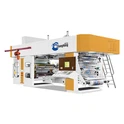
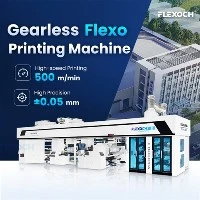
When selecting equipment for plastic film small batches, the first upgrade I recommend is moving away from outdated gear-driven presses toward gearless flexo printing press technology. Traditional gear systems require precise alignment of large, heavy cylinders, which adds hours to setup when you switch jobs—especially small ones where you might change a color or plate every few thousand meters. Gearless presses use servo motors to control each station independently, which cuts setup time drastically, reduces material waste from misalignment, and handles job changes far faster. I've seen a converter go from 4 hours of setup per small job to 45 minutes with a gearless system, which directly improved their profit margins on small runs. If you're just getting started, a Central Drum Flexo Printing Machine is another game-changer. Unlike individual stack-style presses where each print station is independent, a central drum press wraps the entire plastic film around a single large, rotating drum. This design eliminates registration issues that are especially costly on small batches, because the film is held tightly against the drum with zero slip. For small jobs where even a 1mm registration error can ruin hundreds of dollars of film, a central drum system delivers consistent, sharp results. You can explore this setup here: Central Drum Flexo Printing Machine.
Another key machine consideration is color capacity. Most small-batch jobs don't need 8 or 10 color stations—many are 2 to 4 color designs, which means a 4 Color Flexo Printing Machine is often the sweet spot for small runs. Overbuying stations adds unnecessary cost to equipment and maintenance, while a 4-color setup handles the vast majority of label, pouch, and flexible film designs for small brands. It's also modular: if you do take on a larger batch later, you can always run additional colors, but for small, frequent jobs, fewer stations mean less setup and lower ink and material waste. For converters that occasionally work with non-woven materials alongside plastic film, we also offer Non Woven Flexo Printing Machine models that adapt seamlessly to narrow web, small-batch jobs, so you don't have to invest in a separate press for different substrates. To learn more about how these machines fit your workflow, visit our dedicated Plastic Film Flexo Printing Machine page: Plastic Film Flexo Printing Machine.
Once you have the right equipment, the next step is optimizing setup for small batches—this is where many teams waste time and money unnecessarily. Let's start with plate preparation, because flexo plates are one of the biggest expenses for small jobs. Many converters order large plates, even for small designs, which means cutting down the plate and wasting material. Instead, work with your plate supplier to order custom plate sizes that exactly match your design's dimensions. For example, if your label is 10cm wide and your print station can handle 20cm, you can run two labels side-by-side on one plate, doubling your output without doubling setup time. This cuts plate cost in half and reduces the amount of film wasted between job start and steady output. Also, for small runs, consider using digital flexo plates or laser-engraved rubber plates instead of traditional photopolymer plates. Digital plates are pre-sized, require less exposure time, and can be produced in hours instead of days, which lets you turn around small jobs faster for your customers.
Registration is the next critical factor for small batches, especially on thin plastic film that can stretch or slip under print pressure. On gearless, central drum presses, registration is automated, but you can speed up manual setup for even faster jobs by using pre-printed register marks. When designing your artwork, add 3mm wide crosshair marks at the top, middle, and bottom of each color plate. These marks align with sensors on your press, so you don't have to adjust each station individually by eye—just line up the digital marks on the press control screen, and registration is done in seconds. I've heard of converters skipping register marks to save design time, only to spend 30 minutes adjusting each station for a 5,000 meter run. For small jobs, that time adds up quickly—15 minutes of saved setup per job is 5 extra jobs per week, which translates to more revenue.
Ink management is another area where small batches can go wrong if not planned properly. Flexo ink for plastic film is solvent or water-based, and mixing custom colors for small runs can lead to leftover ink that goes to waste. To avoid this, switch to pre-made matching ink sets for common plastic film substrates. Many ink manufacturers offer color libraries calibrated for BOPP, PET, and LDPE— the three most common plastic film materials for small packaging. For example, if you're printing a red label on PET, you can use a pre-matched red ink instead of mixing it from cyan, magenta, and yellow. This cuts mixing time, eliminates the chance of color error, and ensures you only mix the exact amount you need for your run. For runs under 10,000 meters, I recommend mixing ink in 500ml batches instead of 1 liter or more—leftover ink from larger batches can separate, become unusable, or require special disposal, which adds hidden costs. Also, use anilox rolls calibrated for small film runs. Anilox rolls carry ink to the plate, and a roll with too high a volume will deposit too much ink on thin plastic film, leading to smudging or blurring. For small runs on narrow web plastic film, use anilox rolls with a cell count of 300 to 400 lines per inch—this delivers a thin, even ink layer that dries fast, even on thin substrates.
Material handling is often overlooked in small-batch flexo printing, but it's a major source of waste. Thin plastic film (like 12 micron LDPE) is prone to stretching or tearing when running at high speeds, especially on short runs where you start and stop more frequently. To fix this, use proper tension control on your press. Most modern flexo presses for plastic film have automatic tension control, which adjusts the pull on the film roll as it runs, keeping tension consistent from start to finish. For small rolls (which are common with short runs), make sure your press has unwind and rewind systems that hold small rolls securely—many converters try to run small rolls on holders designed for large master rolls, leading to roll wobble and misaligned printing. Also, keep film rolls at a consistent temperature and humidity before printing. Plastic film absorbs moisture from the air, which can cause it to stretch when run through the press. For small batches, store film rolls in a climate-controlled area at 20-22°C and 40-50% humidity for at least 24 hours before printing. This small step reduces stretching errors by up to 20% and cuts down on wasted film from the start of the run.
Quality control for small batches should be efficient, not labor-intensive. On long runs, you can inspect every 100 meters, but on small runs (under 10,000 meters), inspect every 10 meters to catch errors early. But instead of manually checking each meter, use a portable spectrophotometer to measure color accuracy and registration. This tool connects to your press and gives you instant data on whether colors are matching your design, so you don't have to stop the press to compare color swatches. Also, for small jobs, do a "dry run" with unprinted film first. Run 50-100 meters of blank film through the press before loading your design, to make sure tension is correct, registration is aligned, and ink is flowing evenly. This dry run takes 10 minutes and saves you from wasting film and ink if there's a press adjustment needed.
One final tip for small-batch flexo printing on plastic film is to batch similar jobs together. If you have three small label jobs that all run on BOPP with 2 color designs, schedule them back-to-back on your press instead of spacing them out. This reduces setup time because you only change plates, ink, and anilox rolls once, instead of three times. Most presses take 15 minutes to change a plate and ink—so three separate jobs would take 45 minutes of changeover, while batching them takes 15 minutes. This is a simple way to double your output on small jobs without adding more time or equipment.
Now, let's talk about the long-term benefits of investing in the right equipment for small batches. When I work with converters, I often see them hold off on upgrading their presses because they only do occasional small jobs, but the truth is that small batches are the fastest growing segment of the packaging industry. Brands are moving away from mass-produced packaging toward custom, limited-run products, which means demand for small, fast-turnaround flexo jobs will only increase. A gearless CI (central impression) press designed for plastic film lets you take on those jobs without sacrificing quality or profit. For example, a 4-color gearless central drum press can handle runs as small as 500 meters with setup time under an hour, which is a huge improvement over older presses that required 4 hours of setup.
If you're ready to upgrade your flexo setup to take on more small-batch plastic film jobs, or you're looking to add a press that adapts to both small and large runs, our team can help you find the right fit. We've worked with converters ranging from small family operations to large packaging firms, helping them select equipment that matches their job volume and substrate needs. Whether you need a press dedicated to narrow web plastic film, a modular system that handles non-woven and film, or a gearless press to cut down on setup time for small jobs, we have solutions tailored to your workflow.
To learn more about our line of flexo printing machines for plastic film, including central drum, 4-color, and gearless models, feel free to reach out to our team to discuss your specific needs. We can also walk you through case studies of converters who have increased their small-batch output by 30% after upgrading their equipment, so you can see exactly how these solutions work in practice.


References:
- Society of Plastics Engineers. (2022). Flexographic Printing for Flexible Packaging: Substrate and Process Optimization. SPE Press.
- Flexo Technical Association. (2023). Small Batch Flexo Workflow Guide: Setup, Ink Management, and Quality Control. FTA Publications.
- Packaging Digest. (2023). Global Flexible Packaging Trends: The Rise of Short Runs and Customization. Packaging Digest Media.
- International Organization for Standardization. (2021). ISO 15755: Flexographic Printing for Plastic Films and Other Flexible Substrates. ISO Standards.