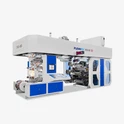
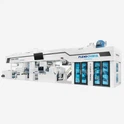
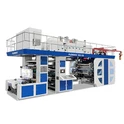
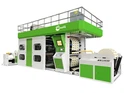
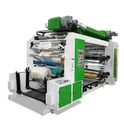
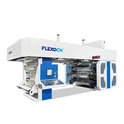
Hey there! As a supplier of inline flexo stuff, I've been getting a bunch of questions lately about whether inline flexo can print on ceramic substrates. It's a super interesting topic, so I thought I'd break it down for y'all.
Let's start with what inline flexo is. Inline flexo, short for inline flexographic printing, is a pretty popular printing method. It's used in all sorts of industries, from making paper bags to printing on paper cups. You can check out more about Paper Bag Flexo Printing Machine on our website. It works by using flexible printing plates that are wrapped around rotating cylinders. The ink gets transferred from an anilox roller to the plate, and then onto the substrate. It's a fast and efficient way to print, and it can handle a wide range of materials.
Now, onto the big question: Can inline flexo print on ceramic substrates? Well, it's not as straightforward as you might think. Ceramics are a bit of a tricky material to print on because they're hard, smooth, and often have a non - porous surface.
Challenges of Printing on Ceramic Substrates with Inline Flexo
Surface Properties
Ceramic surfaces are usually very smooth and non - absorbent. In inline flexo, the ink needs to adhere well to the substrate. With a non - absorbent surface like ceramic, the ink doesn't soak in like it does on paper or some other materials. This means we have to find special inks that can form a strong bond with the ceramic.
Heat and Firing
Many ceramic products go through a firing process after printing. This heat treatment can be quite harsh on the printed image. The inks used in inline flexo need to be able to withstand the high temperatures of firing without cracking, fading, or losing their adhesion.
Precision
Ceramic items, especially those for high - end applications like tiles or decorative pieces, often require very precise printing. Inline flexo needs to be able to achieve fine details and accurate color reproduction. This can be a challenge because the flexo plates are flexible and there can be some minor variations in the printing process.
Potential Solutions and Success Stories
Specialized Inks
There are now inks formulated specifically for printing on ceramics. These inks are designed to have good adhesion to the smooth ceramic surface and can withstand the firing process. They use special pigments and binders that ensure the printed image remains vibrant and durable.
Advanced Equipment
Modern inline flexo equipment has come a long way. We can now control the printing pressure, ink transfer, and registration with much greater precision. This helps in achieving high - quality prints on ceramic substrates. For more on the latest in inline flexographic printing, head over to our site.
There have been some success stories in the industry. Some manufacturers have been able to use inline flexo to print beautiful patterns on ceramic tiles. These tiles are then used in high - end interior design projects, showing that it's definitely possible to get great results.


Advantages of Using Inline Flexo for Ceramic Printing
Cost - Efficiency
Compared to some other printing methods, inline flexo can be more cost - effective. It's a relatively fast process, which means higher production volumes in a shorter time. This can translate into lower costs per unit for ceramic printing.
Flexibility
Inline flexo allows for easy changes in the printing design. You can switch between different patterns or colors relatively quickly, which is great for small - batch or customized ceramic production. For instance, if you want to create a limited - edition set of ceramic mugs with unique designs, inline flexo can handle it.
Factors to Consider Before Implementing Inline Flexo on Ceramic Substrates
Substrate Quality
The quality of the ceramic substrate matters a lot. A rough or uneven surface can cause problems with ink transfer and adhesion. It's important to source high - quality ceramics for the best printing results.
Production Volume
If you're planning to use inline flexo for ceramic printing, you need to consider your production volume. For large - scale production, the cost - efficiency of inline flexo really shines. But for very small batches, the setup costs might not be worth it.
Training and Expertise
Your staff will need to be trained in handling inline flexo equipment for ceramic printing. They need to understand the special requirements of working with ceramics, such as the use of specialized inks and the firing process.
Conclusion
So, can inline flexo print on ceramic substrates? The answer is yes, but it comes with its own set of challenges. With the right inks, advanced equipment, and proper training, it's definitely possible to achieve high - quality prints on ceramics. Whether you're looking to print on ceramic tiles, mugs, or other items, inline flexo can be a great option.
If you're interested in exploring the possibility of using inline flexo for your ceramic printing needs, we're here to help. We've got the experience and expertise as a inline flexo supplier. Feel free to reach out and start a conversation about your project. We can work together to find the best solutions for your specific requirements. Let's make your ceramic printing dreams a reality!
References
- Industry reports on flexographic printing technologies
- Research papers on ceramic printing and ink adhesion
- Case studies of successful ceramic printing projects using inline flexo