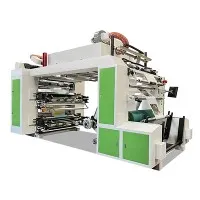
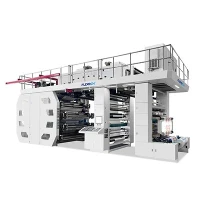
In the realm of plastic film printing, one of the most common challenges is dealing with plastic films that have low surface energy. As a plastic film printing machine supplier, we often encounter questions from customers about the feasibility of printing on such films. In this blog, we will explore the intricacies of printing on plastic films with low surface energy and discuss how our machines can address these challenges.
Understanding Surface Energy in Plastic Films
Surface energy is a crucial factor in the printing process. It refers to the energy present at the surface of a material, which determines how well inks, adhesives, and coatings adhere to it. Plastic films with low surface energy have a smooth and non - porous surface, making it difficult for inks to bond effectively. Common examples of low - surface - energy plastics include polyethylene (PE) and polypropylene (PP). These materials are widely used in packaging due to their excellent physical properties, such as flexibility, durability, and moisture resistance.

Challenges of Printing on Low - Surface - Energy Plastic Films
When attempting to print on plastic films with low surface energy, several challenges arise. Firstly, the ink may not spread evenly across the film surface, resulting in poor print quality. This can manifest as uneven color distribution, blurred images, or incomplete coverage. Secondly, the adhesion of the ink to the film is often weak, which means that the printed image can easily rub off or peel during handling or storage. Thirdly, the drying process can be more complex, as the low - surface - energy film may not allow the ink to dry properly, leading to smudging and smearing.
Our Plastic Film Printing Machines: Solutions for Low - Surface - Energy Printing
At our company, we have developed advanced plastic film printing machines that are designed to overcome the challenges associated with printing on low - surface - energy plastic films. Our CI Type Flexo Printing Machine is a prime example of our innovative technology.
The stack type flexo printing machine utilizes a unique printing mechanism that ensures precise ink transfer and excellent adhesion. It is equipped with advanced surface treatment systems, such as corona treatment, which increases the surface energy of the plastic film before printing. Corona treatment creates a more reactive surface by introducing polar groups, allowing the ink to bond more effectively. This results in high - quality prints with sharp images and vibrant colors.
In addition to the stack type flexo printing machine, we also offer plastic bag flexo printing machine and stack press. These machines are designed to provide flexibility in terms of color options and printing requirements. They are suitable for a wide range of plastic films, including those with low surface energy.


Key Features of Our Printing Machines for Low - Surface - Energy Films
- Advanced Ink Systems: Our machines are equipped with state - of - the - art ink systems that are specifically formulated for printing on low - surface - energy plastics. These inks have excellent adhesion properties and can withstand various environmental conditions.
- Precision Printing: The printing units in our machines are designed to provide precise control over the ink transfer process. This ensures that the ink is applied evenly and accurately, resulting in high - quality prints.
- Surface Treatment Options: As mentioned earlier, our machines offer surface treatment options such as corona treatment. This pre - treatment step is essential for improving the adhesion of the ink to the low - surface - energy film.
- User - Friendly Operation: Our machines are designed with user - friendly interfaces, making them easy to operate and maintain. This allows operators to quickly set up the printing process and make adjustments as needed.
Case Studies: Successful Printing on Low - Surface - Energy Films
To illustrate the effectiveness of our plastic film printing machines, let's look at a few case studies.
Case Study 1: A packaging company was struggling to print high - quality images on polypropylene films. They had tried various printing methods but were unable to achieve the desired results. After switching to our stack type flexo printing machine with corona treatment, they were able to print sharp and vibrant images with excellent adhesion. The printed films met the company's quality standards and were well - received by their customers.
Case Study 2: A food packaging manufacturer needed to print on low - density polyethylene films. They were concerned about the ink adhesion and the durability of the prints. Our 4 Colour Flexo Printing Machine, combined with the appropriate surface treatment, provided a solution. The printed films had good ink adhesion and maintained their quality even after exposure to moisture and handling.
Printing Samples


Conclusion
In conclusion, while printing on plastic films with low surface energy presents challenges, our plastic film printing machines are capable of delivering high - quality prints. Through advanced technology, such as surface treatment systems and precision ink transfer mechanisms, we can overcome the issues associated with low - surface - energy plastics. Whether you need a stack type flexo printing machine, a 6 Colour Flexo Printing Machine, or a 4 Colour Flexo Printing Machine, we have the right solution for your printing needs.
If you are interested in learning more about our plastic film printing machines or would like to discuss your specific printing requirements, please feel free to contact us. Our team of experts is ready to assist you in finding the best printing solution for your business.
References
- "Surface Energy and Adhesion in Printing Processes" - Journal of Printing Technology
- "Flexographic Printing on Low - Surface - Energy Plastics" - Packaging World Magazine
- "Advances in Plastic Film Printing Technology" - International Journal of Printing Science and Technology