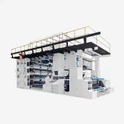
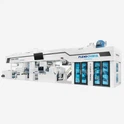
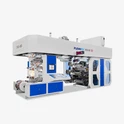
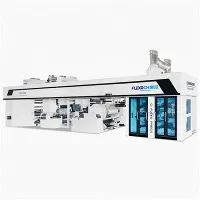
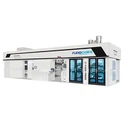
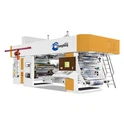
The work process of a flexographic printer is a fascinating and carefully planned one that requires precision, attention to detail, and a trained eye. Here's a breakdown of how it works:
1. Design - The first step is to create a design for the product that is going to be printed. Once the design has been created, it is transferred onto a flexible printing plate that will eventually be used to transfer the design onto the material.
2. Set up - The printer then sets up the machine with the appropriate ink and the printing plates. The printing plates are loaded onto the printing cylinder, and the inks are added and adjusted to the desired color.
3. Printing - The material to be printed is then fed into the machine, and the printing process begins. As the material passes through the printing press, the ink is transferred onto the material using the printing plates.
4. Drying - The printed material must then be dried to prevent smudging and ensure the ink adheres to the material.
5. Inspection - The final step is to inspect the printed material for quality control purposes to ensure that the product meets the required standards. This can include checking for color accuracy, quality, and consistency.
The flexographic printing process is fast and efficient, making it an ideal choice for businesses that require large quantities of printed materials. Additionally, the printing plates used in flexographic printing can be easily changed, allowing for a variety of designs to be produced quickly.
Overall, the work process of a flexographic printer is a well-planned, specialized, and effective technique that plays an important role in the modern printing industry. With advancements in technology, this printing technique is continuously improving to meet the growing needs of businesses.
Detail Image