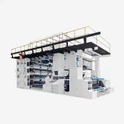
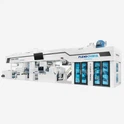
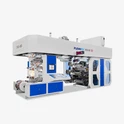
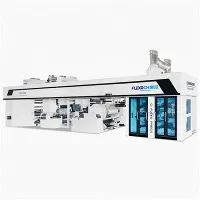
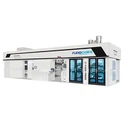
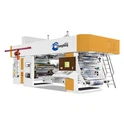
Flexographic printing, also known as flexographic printing, is a printing technology that uses rubber plates or resin plates as printing plates. It has a wide range of applications in many fields, but is most commonly used in the following areas:
1. Packaging printing
Flexographic printing occupies an important position in the packaging field, and is particularly suitable for printing flexible packaging materials such as plastic films (such as PET films, CPP films, etc.) and paper. This printing method can print high-quality patterns, texts and trademarks to meet the packaging industry's needs for beauty and practicality. The environmental friendliness of flexographic printing also makes it the preferred printing method in areas such as food packaging.
2. Label printing
Because flexographic printing is highly adaptable and can achieve high-quality printing on curved surfaces, it is often used in the production of labels. Whether it is a product label, a logistics label or other types of labels, flexographic printing can provide clear and accurate printing effects to meet the printing needs of various labels.
3. Commercial printing
In the field of commercial printing, flexographic printing is also widely used. It can be used to make business cards, leaflets, posters and other commercial printed materials. The high resolution and adaptability of flexographic printing enable these printed products to present delicate graphic effects, enhance brand image and publicity effects.
4. Paper printing
Flexographic printing is also suitable for various types of paper printing, such as coated paper, offset paper, cardboard, etc. It can print high-quality color pictures, text, etc., to meet the printing needs of publishing, advertising, cultural supplies and other fields.
Sample