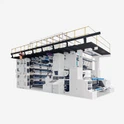
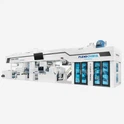
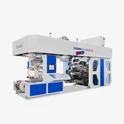
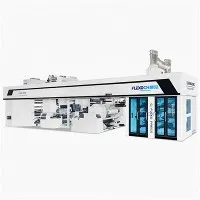
For packaging manufacturers, selecting the right flexographic printing machine is critical. Different machine structures deliver distinct performance in print quality, production efficiency, substrate compatibility and capital cost.
Among widely used flexographic equipment, Changhong's CHCI series CI flexographic printing machine and CH-S / CH-B series stack flexographic printing machine are two mainstream options for printing flexible packaging, plastic bags, paper products and more.
But which model fits your production requirements best? The answer depends on your printing substrates, number of colours, register accuracy requirements, running speed and long-term business plans.
1. What is a CI flexographic Printing machine?
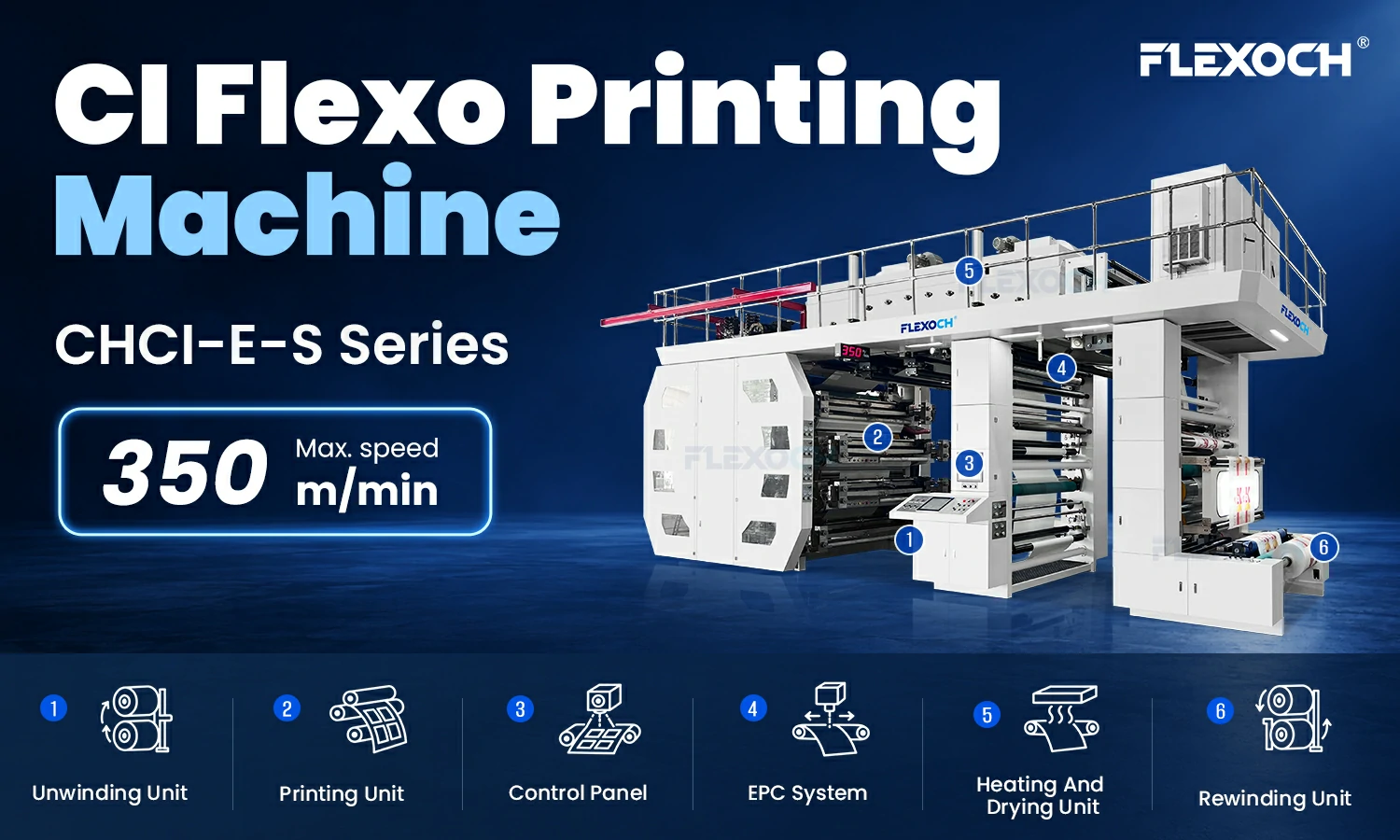
A CI flexographic printing machine features a large central Central Impression Cylinder, with multiple printing stations arranged around it. Changhong offers two flagship CI models: the high-speed CHCI-E and the cost-effective CHCI-J.
During printing, the substrate is held against the central Central Impression Cylinder and passes sequentially through each printing station. This design firmly stabilises the material and minimises stretching and registration drift between colour stations.
Core Features of CI flexographic printing machine
The central Central Impression Cylinder holds the substrate support during the entire printing cycle.
Excellent registration stability with tight colour-to-colour alignment, ideal for easily stretched thin films
Suitable for multi-colour printing of intricate patterns and high-end packaging designs
Stable tension control equipped with closed-loop tension system to reduce material variation
High running speed for continuous mass industrial production
Typical Applications
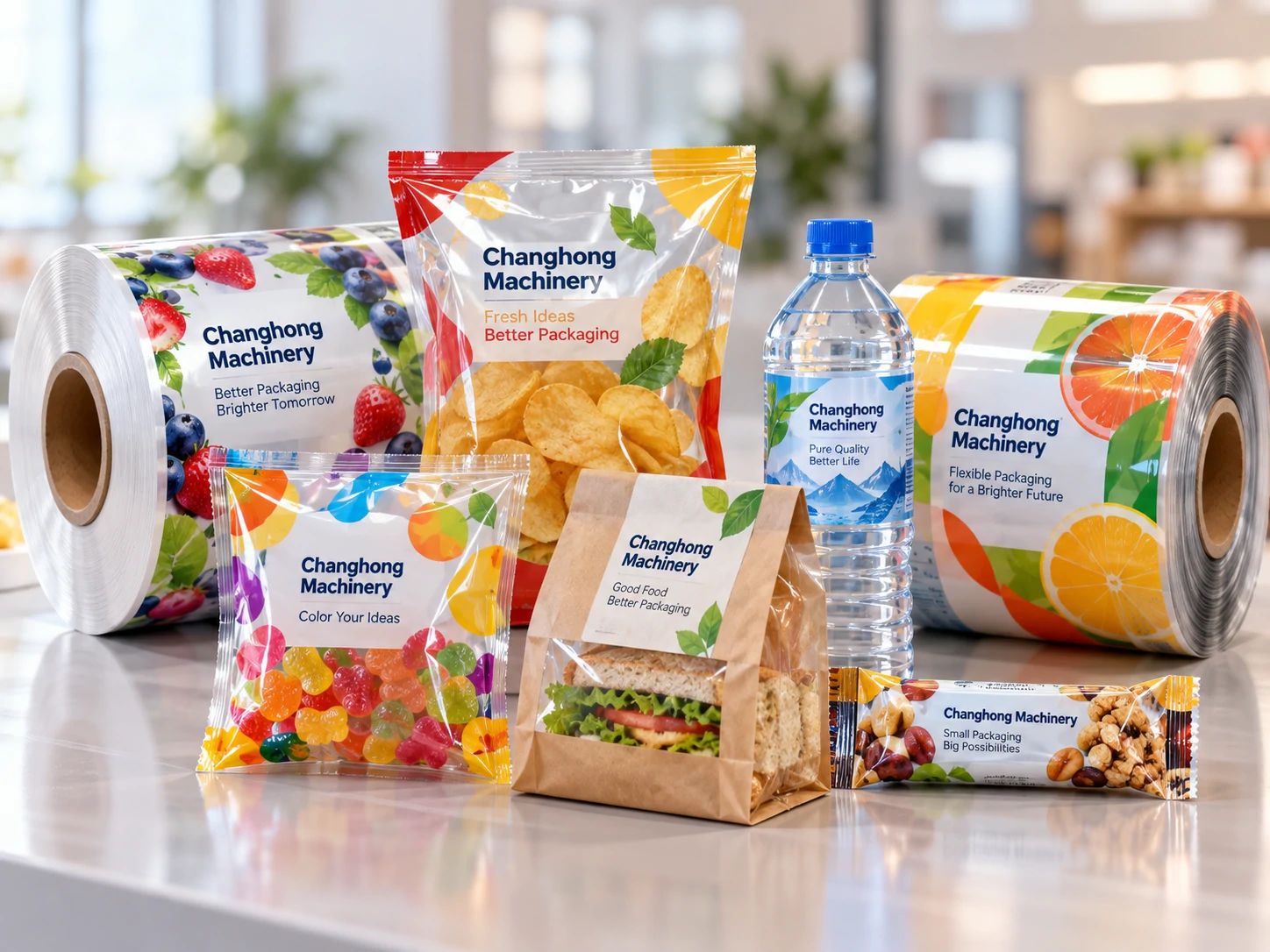
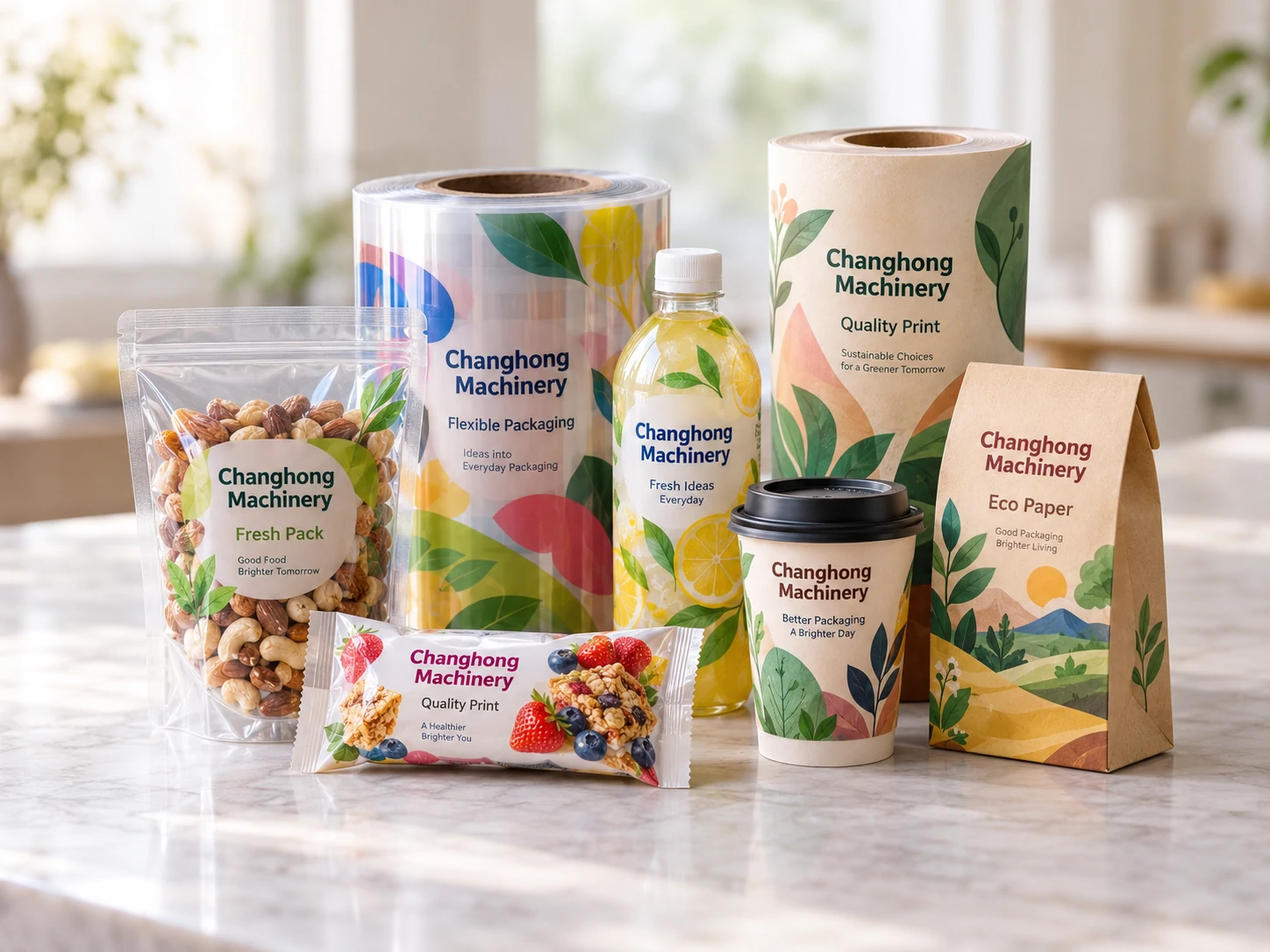
Changhong CHCI series presses are designed for printing BOPP, PET and PE films, food packaging, laminated materials, plastic shopping bags and other flexible packaging products
What is a Stack flexographic Printing machine?
Changhong offers three stack flexographic printing machine models: the CH-S servo model for general films and paper bags, the CH-W model for woven bags, and the CH-B model for other printing applications.
The printing units are arranged vertically, one above another. The substrate passes through each unit in sequence, with each station applying one colour to complete the printing process.
Unlike CI machines, this configuration features a modular design. The number of printing units can be adjusted to accommodate different materials, colour requirements and production needs.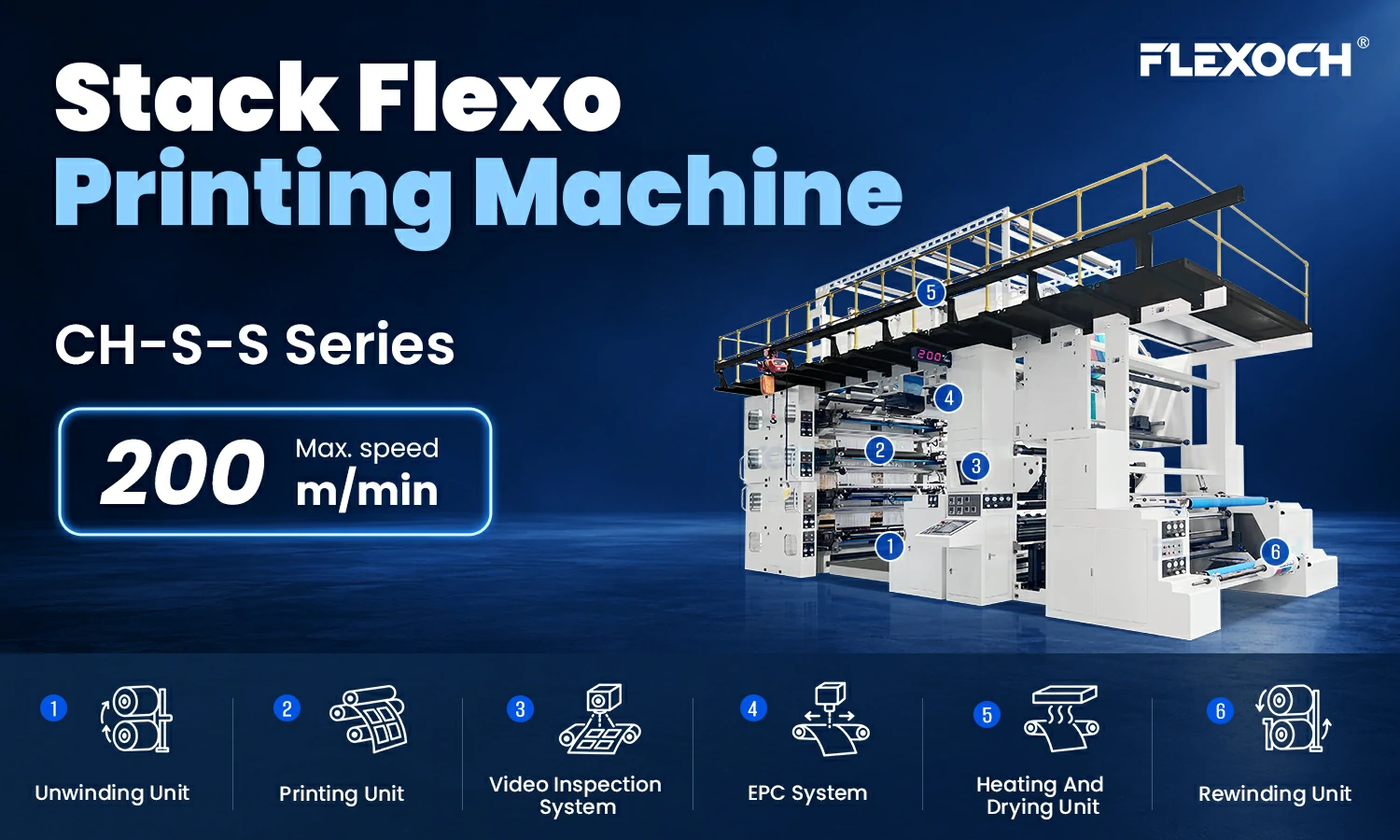
Core Features of stack flexographic printing machine
Vertical stacked layout of printing units
Flexible configuration: colour stations can be adjusted according to production needs
User-friendly access for colour group adjustment, inspection and simple maintenance
Broad substrate compatibility: suitable for paper, woven bags, non-woven fabrics and selected plastic films
Highly versatile to handle diverse orders with configuration adjustments
Typical Applications
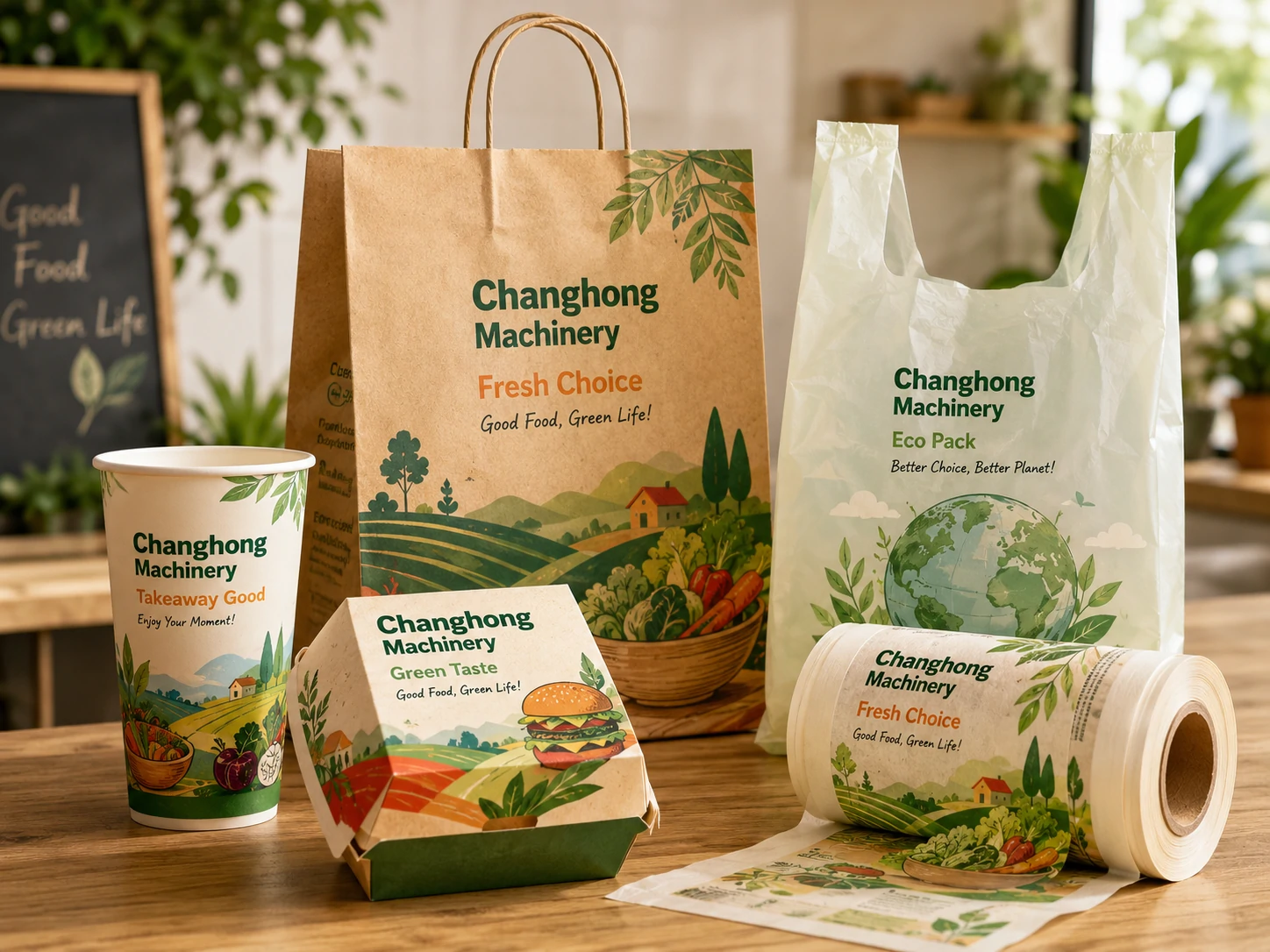
Common applications include paper shopping bags, kraft paper bags, PP woven bags, non-woven shopping bags, plastic bags and general packaging films.
For factories handling a variety of substrates and standard printing jobs, this configuration offers a practical and versatile solution.
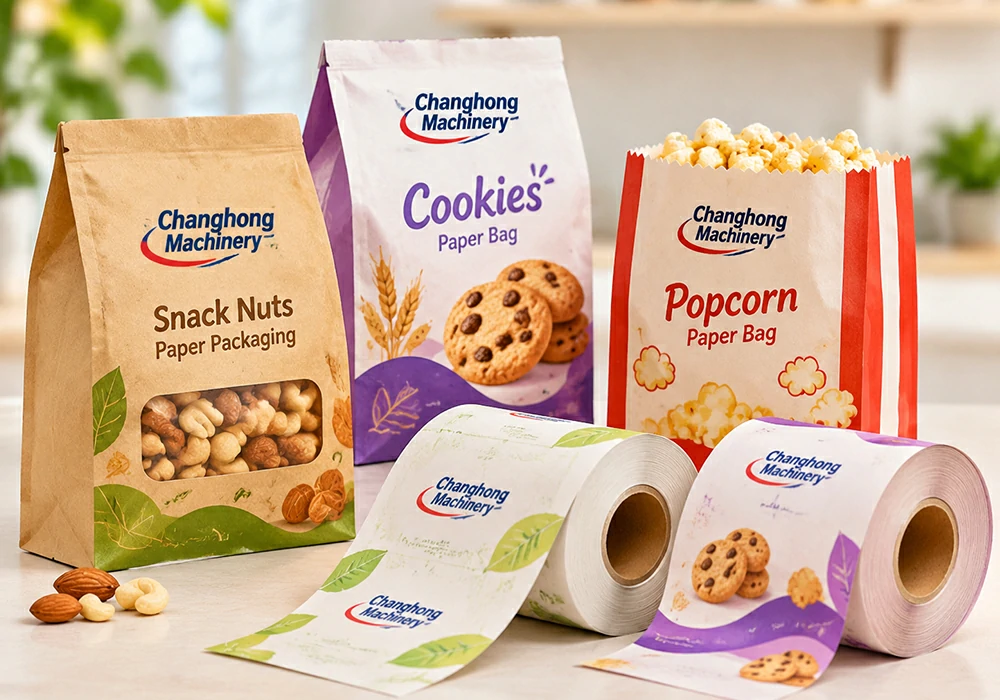
3. Stack vs CI flexographic printing machine: Core Comparison
Both belong to flexographicprinting machine, yet structural differences lead to varied substrate suitability, registration stability and target applications.
|
Comparison Item |
CI (Central Immachineion) flexographic machine |
Stack flexographic printing machine |
|
Printing Structure |
Surrounding layout around one large central Central Impression Cylinder |
Vertically stacked independent printing units |
|
Registration Stability |
Outstanding, ideal for high-spec multi-colour film printing |
Dependent on substrate, tension system and machine configuration |
|
Thin Film Printing |
Highly suitable |
Printable, limited by machine configuration |
|
Substrate Transport |
Fully supported by the central cylinder for stable web travel |
Substrate passes through separate colour stations sequentially |
|
Suitable Products |
Flexible packaging, plastic films, labels |
Paper bags, woven bags, non-woven fabrics, plastic bags |
|
Production Positioning |
High-quality multi-colour mass production |
Flexible production for mixed order types |
|
Machine Layout |
Central surrounding design |
Modular stacked design |
Which Delivers Better Registration?
Register accuracy is one of the core purchasing criteria for flexographic machines. On CI machines, the substrate stays attached to the shared central Central Impression Cylinder throughout printing, greatly reducing misregistration caused by stretching and deformation between colour stations. This is especially vital for thin BOPP, PET and PE films, where minor tension fluctuations easily cause register drift.
On stack machines, the web travels between separate printing stations. Tension variation and material deformation have a greater impact on registration; the more stretchable the substrate, the harder consistent registration becomes. That said, high-end modern stack flexographic printing press fitted with premium tension control, web guiding systems and optimised processes can also achieve good registration results.
For high-demand multi-colour flexible packaging film printing, CI flexographic printing press offer superior registration consistency.
4. How to Select Based on Printing Substrates
The substrate is the top priority for machine selection. Materials differ greatly in thickness, surface property, stretchability and tension tolerance.
Plastic Films: Prioritise Changhong CHCI Series CI flexographic printing machine For BOPP, PET, PE, FFS heavy-duty films and other flexible packaging films, the full-servo CHCI-F is recommended for high-end long-run orders, while the dual-station CHCI-E is suitable for standard mass production. Films are highly sensitive to tension and prone to stretching. The central Central Impression Cylinder continuously supports the substrate during multi-colour registration.
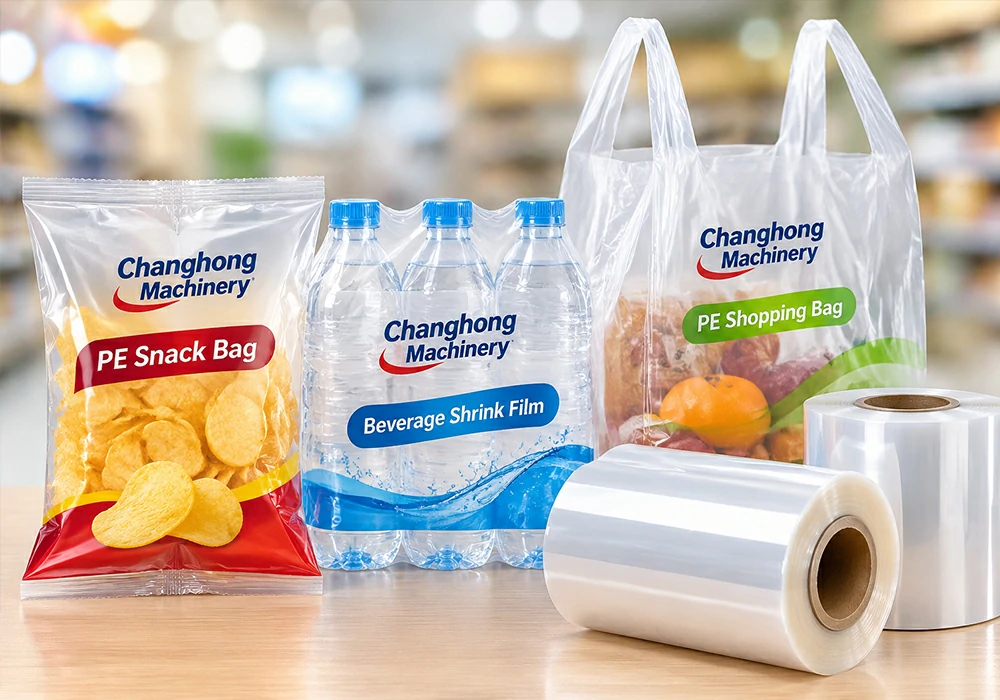
Suitable applications: food packaging films, snack bags, frozen food packaging, beverage packaging films, daily chemical packaging, multi-colour plastic shopping bags.
Kraft Paper / Paper Bags: Both Stack and CI machines
Are Options stack flexographic printing press are a mature choice for kraft paper bags, paper shopping bags and bakery bags. Paper has different tension and deformation characteristics from plastic films. You may choose stack or CI models based on print quality, speed and colour count. For premium paper packaging requiring strict multi-colour registration, the cost-effective CHCI-J CI machine is also available.
PP Woven Bags: Prioritise stack flexographic printing machines
Changhong CH-W special stack flexographic printing machine are widely adopted for PP woven bag printing. Typical products include rice bags, fertiliser bags, feed bags, cement bags and industrial packaging sacks. When selecting, focus on output capacity, web width, bag style, single/double-sided printing, and whether the woven fabric is laminated or coated.
Non-woven Fabrics: Select According to Print Requirements
Non-woven fabrics are widely used for shopping bags, medical packaging, disposable goods and industrial packaging. Both the CHCI-J economy CI machine and CH-S servo stack machine are viable choices, determined by fabric structure, thickness, running speed and registration standards. Stable tension and web handling are essential for long runs with highly stretchable non-woven material.
Video Introduction
5. Production Speed & Print Quality: Which Performs Better?
Customers often compare the maximum mechanical speed quoted on machine nameplates, yet this top speed does not equal actual output. Substrate stability, drying capacity, registration status, ink transfer and job changeover time all affect real productivity.
CI flexographic printing machine
Optimised for continuous multi-colour printing of thin flexible films. The CHCI-E runs stably at 350 m/min. The central cylinder holds the substrate firmly, delivering consistent print quality at high speed. It fits large-volume long-run flexible packaging orders, reduces registration-related waste and maintains uniform printing results.
Stack flexographic machine
The CH-S servo model reaches up to 200 m/min, while the CH-W woven bag version runs at 100–120 m/min. With proper mechanical design, suitable substrates and correct configuration, it achieves stable high-speed operation. It works reliably for paper and woven bags with acceptable quality and faster job changeovers. When comparing speeds, evaluate stable running speed for your specific material rather than the absolute maximum rating.
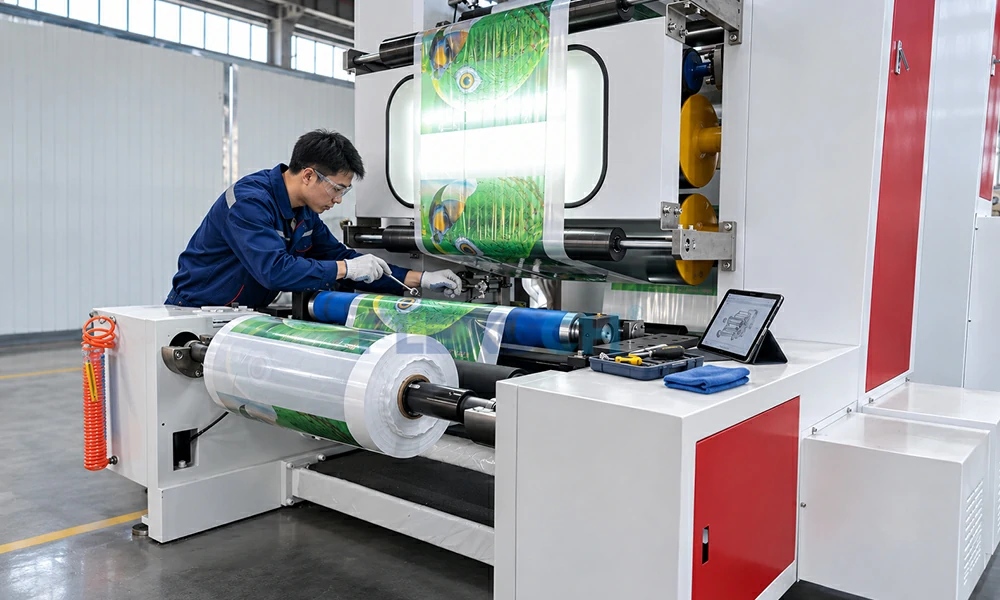
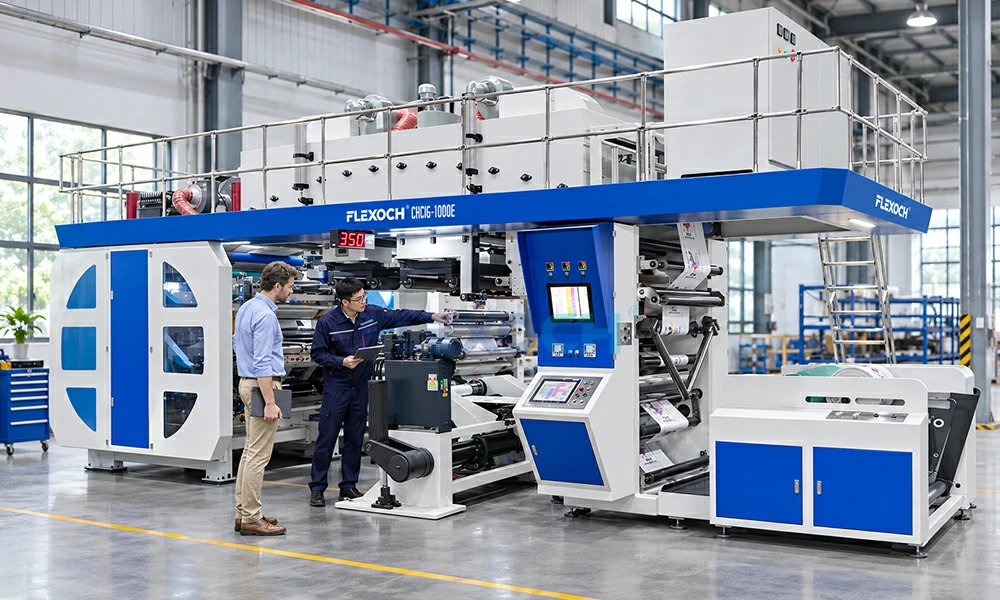
6. Five Key Questions to Ask Before Selecting
Please confirm the following items prior to order placement:
1.What is your primary printing substrate?
(Plastic film, kraft paper, PP woven bag or non-woven fabric – the material largely defines the machine direction)
2.How many colours do your customers usually require?
Complex multi-colour artwork means registration stability needs priority attention.
3.What print quality standard must you meet?
Assess customer requirements for colour consistency, fine halftone dots, print precision and finished appearance.
4.What practical production speed do you need?
Confirm stable running speed together with drying and web handling conditions, not just the top mechanical speed.
5.What are your future development plans?
If you intend to expand into high-end flexible packaging and export orders, prioritise machines with higher stability and automation for better long-term returns.
7. How to Choose a Trustworthy flexographic machine Manufacturer?
While machine type is important, partnering with a reliable manufacturer is equally critical. Professional suppliers do not merely sell machinery; they understand your substrates, application scenarios, capacity targets and growth roadmap. Key aspects to verify
Before Ordering:
Manufacturing experience: Years of flexographic machine design and production
Machine configuration: Printing structure, servo drive, tension system, doctor blade and drying system
Print samples: Request test prints using your own raw materials
Technical support includes installation, commissioning, operator training and after-sales service.
Customisation capability: Availability of custom web width, colour stations and optional automation
Changhong Machinery specialises in flexographic printing equipment and provides tailored CI and stack flexographic solutions for all packaging types. With over 20 years of manufacturing experience and two production bases, we serve customers across more than 80 countries. Our product range includes CI and stack flexographic printing machine dedicated to plastic film, paper, woven bag and non-woven fabric printing.
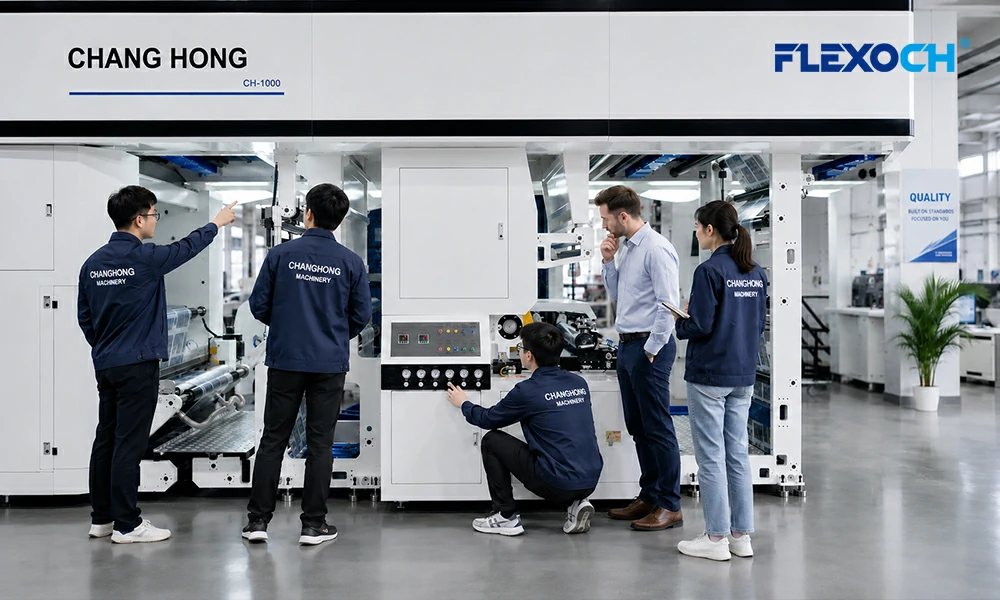

Q1: What is the main difference between CI and stack flexographic printing press?
The main difference is the printing structure. CI flexo printing machines use a shared central impression cylinder to support the substrate throughout the printing process, while stack machines feature vertically arranged printing stations, each with its own impression cylinder.
Q2: Is a CI flexographic printing machine better for plastic film printing?
CI flexographic printing machin are generally preferred for thin, stretchable plastic films, especially when multi-colour registration and consistent print quality are important. The central impression cylinder provides stable substrate support throughout the printing process.
Q3: Can a stack flexographic printing machine print plastic bags?
Yes. Stack flexo printing machines can print various plastic bags and packaging films, depending on the machine configuration, substrate properties and required print quality.
Q4: Which machine is better for kraft paper bags?
Stack flexo printing machines are a practical choice for regular kraft paper bag production. CI machines are also suitable when higher multi-colour registration consistency or more demanding print quality is required.
Q5: Are CI flexographic printing machine more expensive than stack models?
Generally, yes. CI machines have a more complex structure and higher equipment investment. The final price depends on printing width, number of colours, drive system, automation and drying configuration.
Q6: Can one flexo printing machine handle multiple materials?
Yes, within its designed material range. For example, Changhong CH-S stack machines can be configured for paper, non-woven fabrics and selected plastic films, while CHCI series machines support various flexible packaging materials. Always confirm substrate thickness, tension requirements and machine configuration before purchasing.