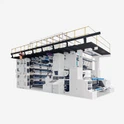
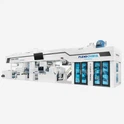
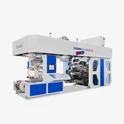
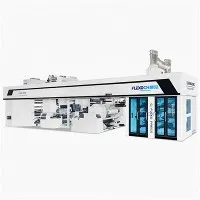
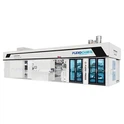
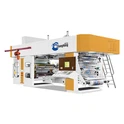
Fueled by the booming food, daily chemical, agricultural, paper and plastic packaging industry, stack flexo printing machine is widely used in packaging production. It stands out for its flexible structure, wide material adaptability and excellent multi-color printing performance.
For packaging enterprises sourcing flexo printing machine, higher color count, faster speed or greater automation do not always equal a better solution. The optimal equipment configuration should fully match your product type, printing material, order volume and quality standard.
This guide explains how to configure stack type flexo printing machine scientifically, covering product category, printing substrate, color station, print width, production speed, register accuracy, drying system and automation function.
1. Select Configurations According to Product Type
First, define your core product range before confirming machine configuration. stack flexo printing machine supports plastic bag, food packaging, daily chemical packaging, paper bag, agricultural and industrial packaging, with each product type having distinct printing requirement.
Ordinary shopping bag and plastic bag feature simple pattern and require only basic machine configuration. In contrast, branded food and daily chemical packaging with rich color, fine text and complex graphic demand higher register accuracy and operational stability.
Enterprises should evaluate existing mainstream product and future product expansion plan to finalize targeted equipment configuration.

2. Confirm Machine Specification Based on Printing Substrate
Printing substrate is a decisive factor for equipment configuration. Common material includes PE, PP, BOPP, PET plastic film, as well as kraft paper, packaging paper and non-woven fabric. Differences in material thickness, surface property and tension fluctuation put forward different requirements for unwinding, traction, tension control and drying system.
For soft film like PE, LDPE and LLDPE, prioritize tension control and stable material conveying. For rigid BOPP and PET film, focus on high-speed register accuracy and efficient drying performance. For paper packaging, match configuration according to paper grammage, width and ink absorption characteristic.
When consulting supplier, provide specific substrate parameter instead of vague descriptions such as "printing plastic" or "printing paper".
3. 4-Color, 6-Color or 8-Color Configuration?
The number of color station is a key procurement parameter. 4-color machine is ideal for ordinary packaging and simple pattern printing. 6-color model fully meets mainstream food and daily chemical packaging production need. 8-color equipment suits high-end packaging with complex pattern and multiple spot color.
More color station does not guarantee better printing quality. Final effect also depends on register accuracy, anilox roll, printing plate, ink performance, tension control and machine stability.
If you plan to upgrade to high-end packaging business in the future, choosing a 6-color or 8-color stack flexo printing machine in advance can reserve production capacity for business iteration.
Detail Image


4. Choose Print Width Based on Product Dimension
Print width determines the machine's maximum processing size and directly affects production layout and efficiency. When selecting width, consider maximum and conventional substrate width, finished product size, single-roll layout quantity and future product size adjustment.
Excessively large width will increase investment and operating cost for small and medium-sized packaging production, while insufficient width will limit output for large-format order. A reasonable width configuration balances current production demand and long-term expansion.
5. Match Production Speed with Order Structure
Many manufacturers overemphasize maximum machine speed, yet theoretical speed does not represent actual production efficiency. Real operating speed is restricted by material, color count, pattern, drying capacity and register precision requirement.
For large-volume, long-run order, prioritize high-speed stability, automatic tension control and auto-register system. For small-batch, multi-variety order, focus on quick plate replacement, convenient operation and low commissioning waste.
Stable and practical operating speed is always superior to blindly pursued extreme high speed.
Video Introduction
6. Focus on Register Accuracy for High-Quality Packaging
Register accuracy is the core indicator for high-end food and daily chemical packaging. Color offset in multi-color printing will cause text ghosting, pattern misalignment and color aberration, seriously affecting product appearance.
Premium packaging production requires supporting automatic register correction, constant tension control, web guiding and servo drive system. Servo stack flexo printing machine adopts independent servo motor for each printing unit, greatly improving multi-color printing stability and register precision.
Ordinary packaging can adopt basic precision configuration, while branded high-end product needs upgraded precision and automation module.
7. Optimize Drying System According to Ink Type
Ink type directly determines the matching drying system configuration. Flexo printing mainly uses water-based ink and solvent-based ink with different drying characteristic.
For water-based ink printing, ensure coordinated air volume, heat distribution and operating speed to avoid incomplete drying. For solvent-based ink, configure professional drying and exhaust system to meet production safety and environmental standard. Confirm mainstream ink type in advance to realize optimal matching of printing and drying system.


8. Select Automation Configuration Based on Actual Need
Automation level determines production convenience and stability, yet higher automation is not always necessary. For mass continuous production, automatic tension control, auto-register, web guiding, meter counting and centralized control system are recommended to reduce manual operation and improve stability.
Small and medium-sized enterprise can select core automation function according to its order structure, balancing production efficiency and equipment investment cost.
9. Targeted Configuration Solution for Typical Product
Ordinary Plastic Bag
4-color or 6-color stack type flexo printing machine is sufficient. Focus on stable material conveying, reliable tension control and basic operational stability for simple pattern printing.
Food Packaging Bag
6-color or 8-color configuration is preferred. Equip with high-precision auto-register, stable tension control and high-efficiency drying system to meet strict color reproduction and quality requirement.
Daily Chemical Packaging
Select 6-color or 8-color stack type flexo printing machine according to pattern complexity. Stable register and tension system ensure consistent graphic performance for continuous batch production.
Paper Bag & Kraft Paper Packaging
Match unwinding and traction configuration based on paper grammage and width. Optimize drying system to adapt to paper's ink absorption feature and avoid printing defect.
Agricultural & Industrial Packaging
Choose 4-color to 8-color machine according to pattern demand. Prioritize overall machine stability and material adaptability to guarantee high-efficiency mass production.
Printing Sample


10. Core Logic of Equipment Selection
Scientific selection of stack flexo printing press is not about stacking high parameters, but about full-process matching. Follow this professional selection logic: Product Type → Printing Substrate → Color Quantity → Print Width → Order Structure → Production Speed → Register Accuracy → Ink Type → Automation Configuration.
The most suitable equipment can stably meet current production need and reserve upgrade space for future new product and high-end order.
Changhong Stack Flexo Printing Machine
Changhong is a professional manufacturer of flexographic printing equipment. We provide customized stack type flexo printing machine solution tailored to customer's product type, material, color requirement, width, speed and quality standard.
Our equipment features 4/6/8-color configurable model, supporting plastic, food, daily chemical, paper, agricultural and industrial packaging production. All machines are equipped with matched tension control, register correction, web guiding, drying and automation system.
To obtain an accurate configuration scheme, provide detailed information including product picture, substrate type, thickness/grammage, print width, color quantity, target speed and annual output.


FAQ | Common Questions About Stack Flexo Printing Machine
Q1: Which is better, 4-color, 6-color or 8-color stack flexo printing machine?
A1: It depends on your product pattern and development plan. 4-color fits simple ordinary packaging; 6-color suits most food and daily chemical packaging; 8-color is for complex pattern and high-end customized packaging.
Q2: Do more color stations mean better printing quality?
A2: No. Color quantity determines the maximum simultaneous printing color. Printing quality is mainly affected by register accuracy, anilox roll, ink, tension control and machine stability.
Q3: Can stack flexo printing press print food packaging?
A3: Yes. It is widely used for food-grade film and paper packaging, with configuration adjustable according to material, ink and production requirement.
Q4: Is the machine applicable for paper bag printing?
A4: Yes. It supports kraft paper and packaging paper printing. You only need to confirm paper grammage, width and drying requirement before selection.
Q5: What information is needed for equipment configuration recommendation?
A5: Provide substrate type, thickness/grammage, maximum width, printing color count, product size, ink type, target speed and output to get a precise solution.
Q6: Is higher maximum printing speed always better?
A6: No. Actual production efficiency is determined by stable operating speed, drying performance, changeover time and yield, not just theoretical maximum speed.
Conclusion
The core of selecting a stack flexo printing machine is configuration matching, not parameter stacking. Starting from your actual product and material to confirm all specifications can help you rationally invest in equipment, reduce cost and maintain long-term stable production efficiency. Full communication with professional manufacturer is the key to selecting ideal printing equipment.