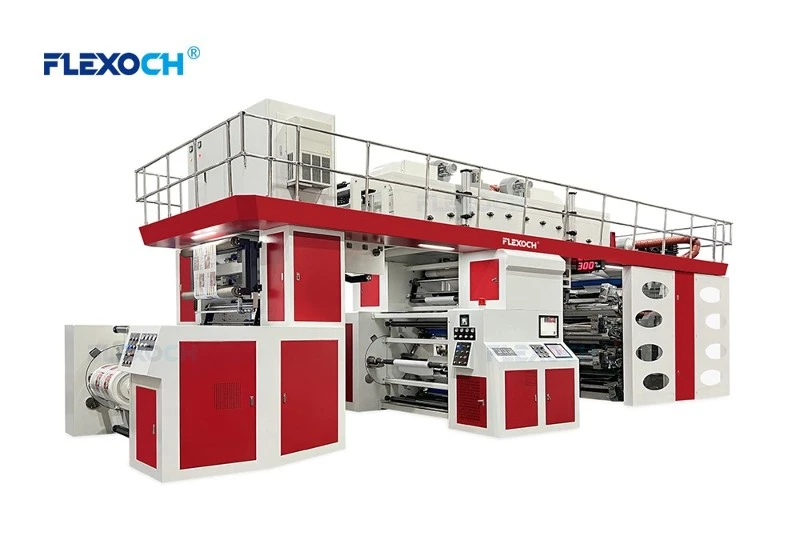
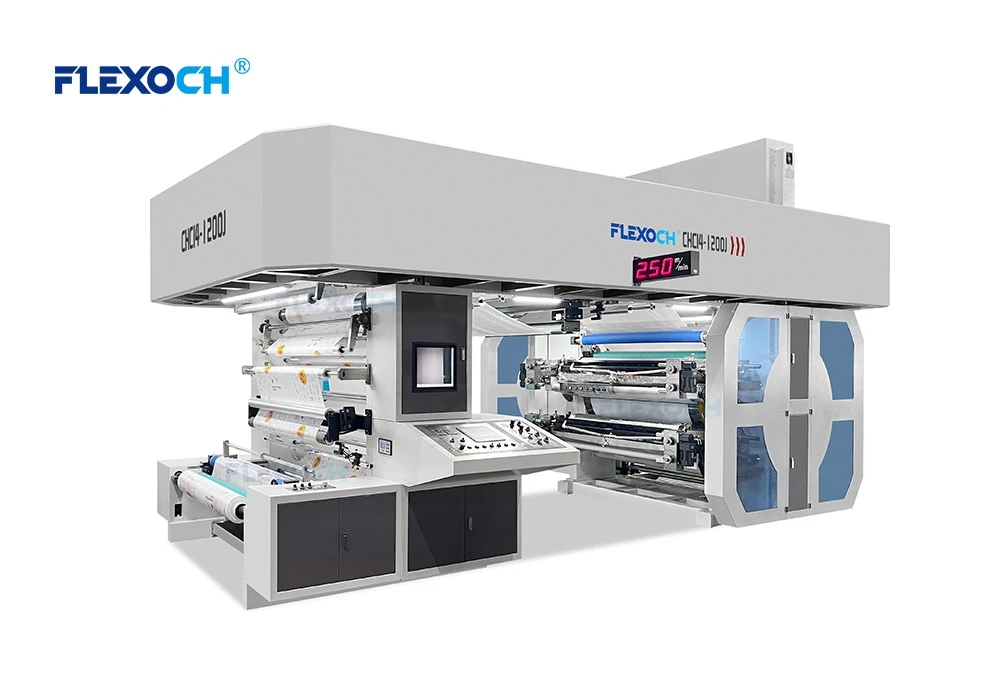
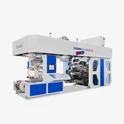
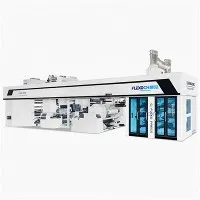
The sleeve-based setup for CI flexographic printing machine lets crews fit and swap flexo printing plates. Using detachable sleeves that slide over purpose-built mandrels, staff can switch plates fast to support different print images and repeat lengths.
For flexible packaging and plastic film printers, knowing how this sleeve setup operates makes it easier to judge job-change speed, day-to-day usability and real-world production flexibility. This write-up goes over sleeve system parts, operating steps, key benefits and typical issues for CI flexo press.
1. What is the Sleeve System of a CI Flexographic Printing Machine?
A CI Flexographic Printing Machine groups several print stations around a single central impression drum. Material runs against this drum, moving past each print unit one after another to finish multi-color registered prints.
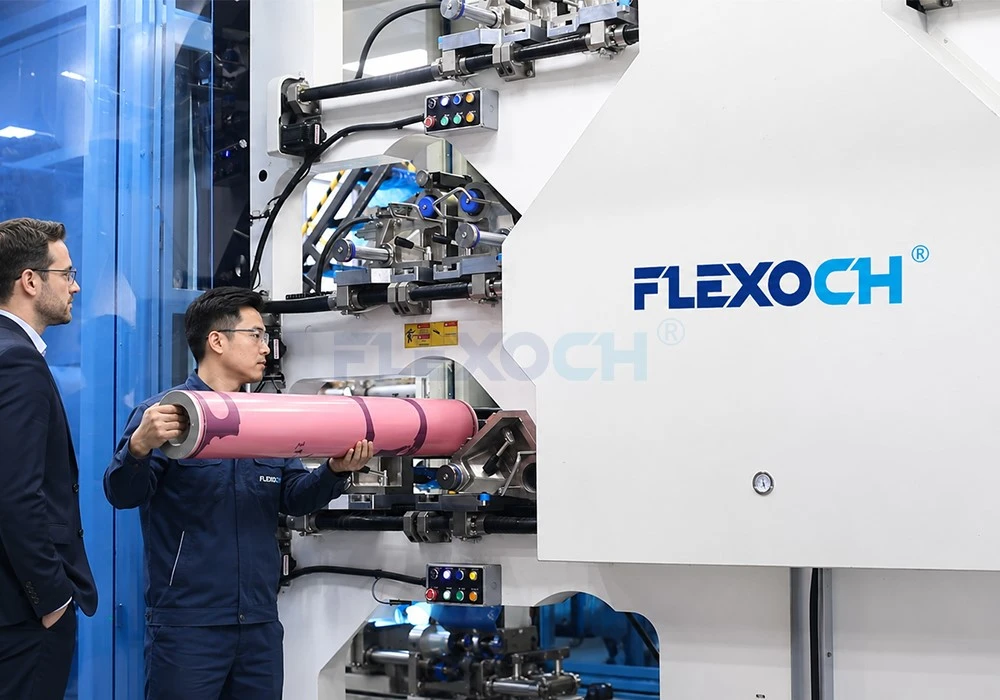
Sleeves offer one approach to mount printing plates. Operators pre-attach flexo plates onto detachable plate sleeves, then slide these sleeves onto matching mandrels for production. Unlike older setups that swap out whole plate cylinders, sleeves cut down change-over work and make plate handling simpler for different orders.
Keep in mind these two parts do different jobs. The CI drum keeps substrate movement steady, whereas sleeves take care of fitting and swapping printing plates.
2.Components of the CI Flexo Sleeve System
All components on a CI Flexographic Printing Press sleeve system cooperate to enable stable plate installation and rapid job changeovers.
- Plate Sleeve As the core component of the system, plate sleeves are commonly fabricated from lightweight composite materials or other machine-specified materials. Flexo plates are secured to the sleeve surface using specialized plate tape, allowing offline plate preparation and fast on-machine swaps.
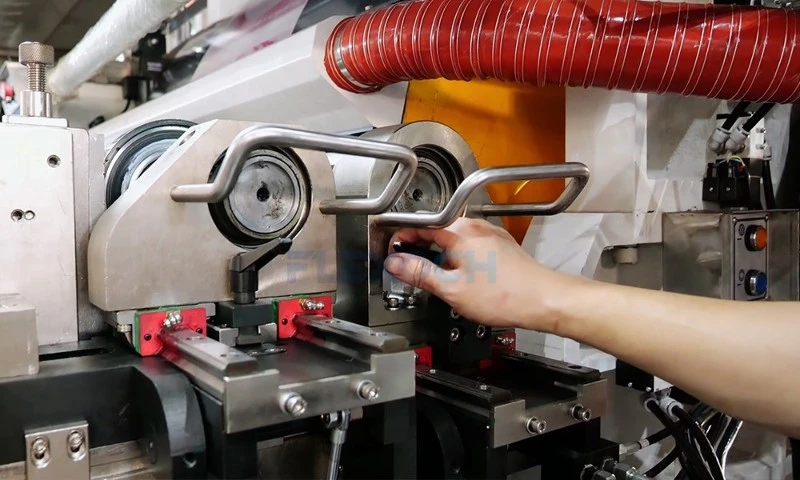
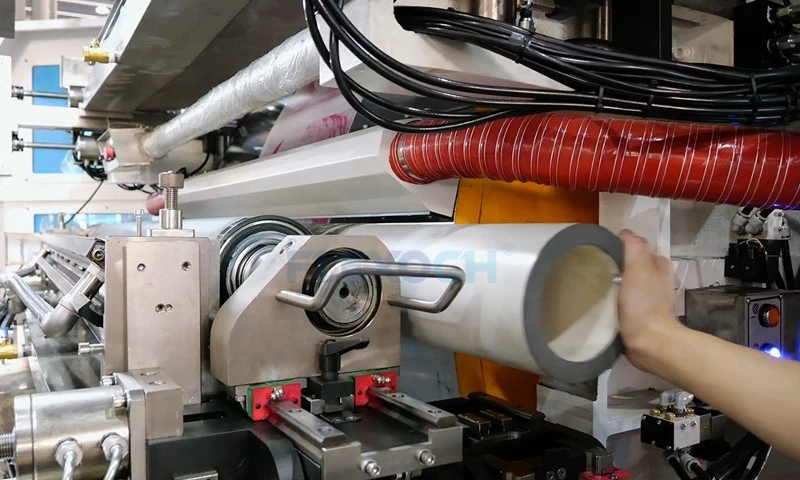
- Air Expanding Mandrel Air expanding mandrels hold and support plate sleeves. In air-assisted systems, compressed air facilitates sleeve loading and removal. Once air supply stops, the sleeve locks firmly to the mandrel and rotates synchronously with the printing station.
- Flexographic Printing Plate The flexo plate transfers graphic imagery. During printing, the plate picks up ink from an anilox roll and transfers it onto the substrate. Print quality is heavily influenced by plate condition, mounting flatness and adhesion consistency.
- Drive and Register System The drive assembly spins the sleeves, while positioning and register controls adjust plate alignment across colors. The exact configuration varies between gear-driven and full servo gearless machine designs.
3. Working Principle of the CI Flexo Sleeve System
The sleeve works through five practical operating steps:
Step 1: Fit the plate sleeve Pick suitable plate sleeves to match your print job. On air-assisted mandrels, turn on compressed air to slide sleeves on easily. Shut off air once the sleeve seats properly to lock the whole assembly firm.
Step 2: Sleeve running with print stations When the press starts up, the mandrel spins both sleeve and flexo plate. The substrate hugs the central impression cylinder and passes each print unit one after another.
Step 3: Ink transfer The anilox roll doses ink onto the flexo plate, and the plate prints graphics onto film, paper or other usable substrates. How well ink transfers hinges on the anilox roll, print pressure, ink mix and surface traits of your substrate.
Step 4: Multi-color registration printing The substrate passes through successive color stations to complete multi-color graphics. A six-color CI flexographic printing machine, for example, produces six-color artwork via six independent printing units. Plate mounting precision, substrate tension and register controls together determine registration results.
Step 5: Sleeve changeover After finishing a production run, operators remove the sleeves following machine operating procedures and fit new sleeves for the next job. Preparing plates offline outside the press drastically cuts downtime during job changes.
Video Introduction
4.Core Advantages of the CI Flexo Sleeve System
This sleeve setup for a CI Flexographic Printing Press brings tangible production benefits for flexible packaging converters.
- Faster Job Changeover Plates can be pre-mounted on sleeves offline. During changeovers, operators simply swap pre-prepared sleeves and eliminate much of the work involved in disassembling full plate cylinders.
- Simplified Operation Lightweight sleeves are generally easier to handle and replace than complete plate cylinders, though practical handling varies with sleeve dimension, weight and machine design.
- Support for Variable Print Repeat Lengths Installing sleeves of specified sizes meets different repeat length requirements for diverse packaging designs. The actual available range is determined by mandrel structure and machine configuration.
- Streamlined Management for Multiple SKUs Sleeves can be numbered and stored in categories. This organizes plates for different graphics and repeat orders and shortens production prep time.
- Stable Printing When Paired with CI Construction The sleeve system securely carries printing plates while the central impression cylinder offers continuous backing for the substrate. Combined with tension control and register systems, it meets production demands for multi-color flexible packaging. Final print quality still relies on overall machine design, plate precision and process parameters.
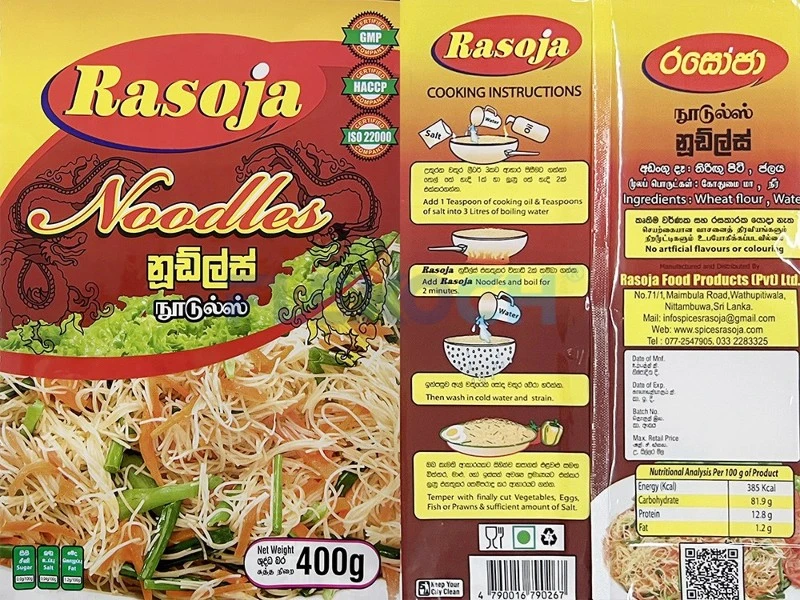
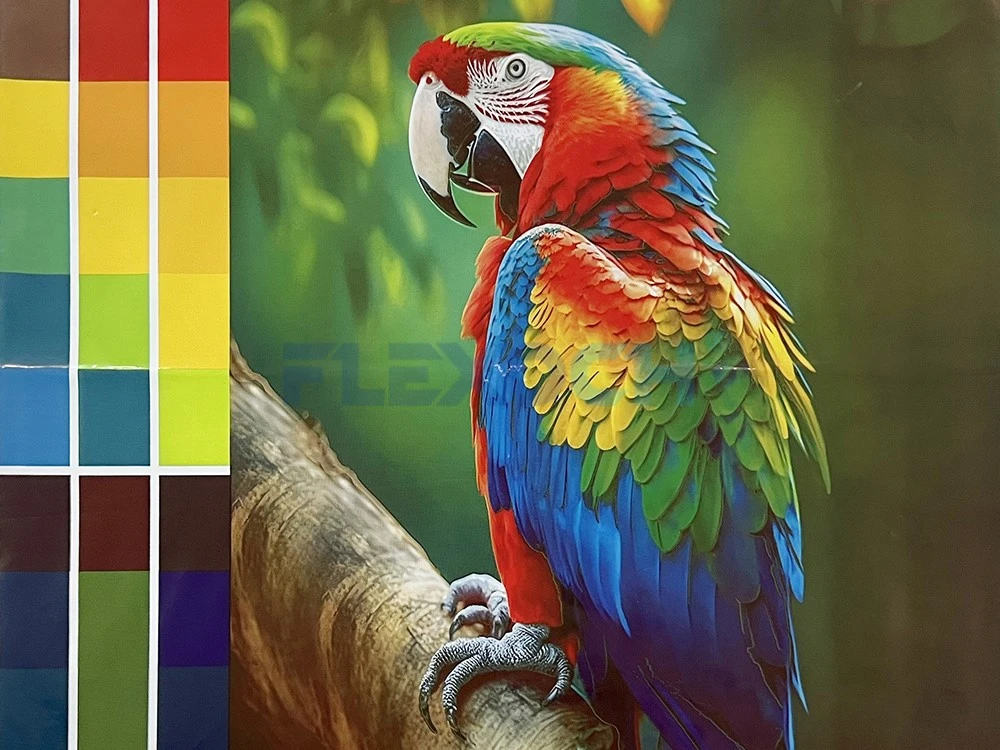
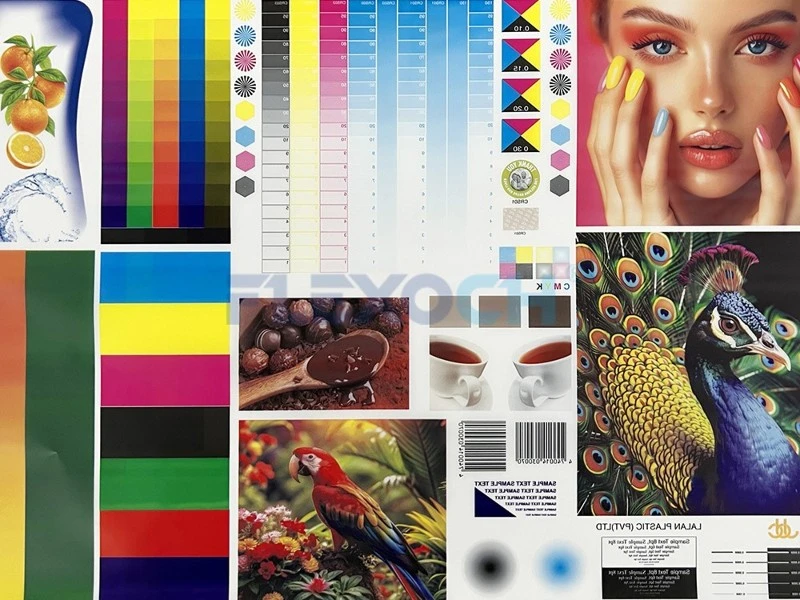
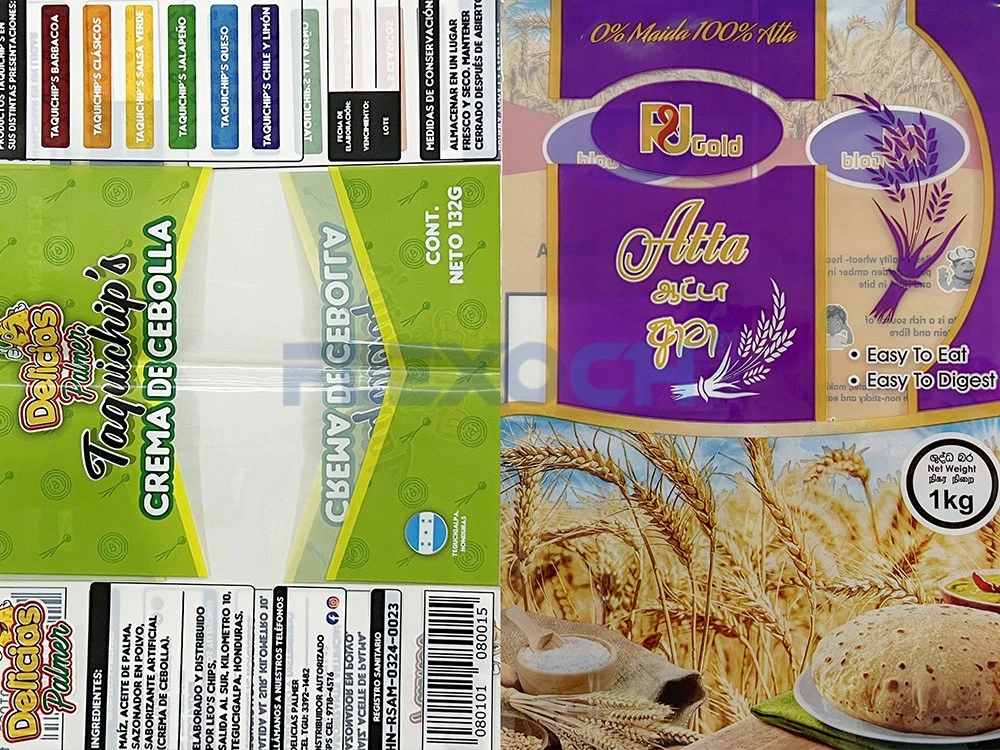
Printing Sample


5. Suitable Substrates and End Products for CI Flexo Sleeve Systems
CI flexo sleeve systems fit a wide range of roll-to-roll packaging printing applications. The exact substrate scope should be verified against your machine configuration.
|
Substrate Materials |
Common Printed Products |
|
PE, LDPE, HDPE Films |
Plastic shopping bags, trash bags and industrial packaging films |
|
BOPP, CPP Films |
Snack packaging, food pouches and personal care packaging |
|
PET Films |
Laminated flexible packaging substrates |
|
Paper, Kraft Paper |
Paper sacks, food wrapping paper and other paper-based packaging |
|
Nonwoven Fabrics |
Reusable shopping bags and related packaging |
|
Laminated Packaging Materials |
Flexible packs for food, pet food and cosmetic products |
Different substrates require tailored ink adhesion, surface treatment and drying setups. Printing trials are recommended for specialty materials after confirming machine specifications.
6. How to Pick the Right CI Flexo Sleeve System
Keep these critical factors top-of-mind when making your selection:
- Print repeat length and physical sizes: Double-check that sleeves, mandrels and the press can handle the repeat lengths and web widths you actually need for real-world production runs.
- Sleeve build accuracy: Look closely at roundness, concentricity and fit tolerances to make sure parts spin steadily during printing.
- Job-swap demands: If you switch jobs often, give extra weight to offline plate setup, simple sleeve mounting and straightforward register tweaks.
- Full-machine specs: Assess the whole package, including the central impression cylinder, tension management, drive hardware, auto-register function and drying performance.
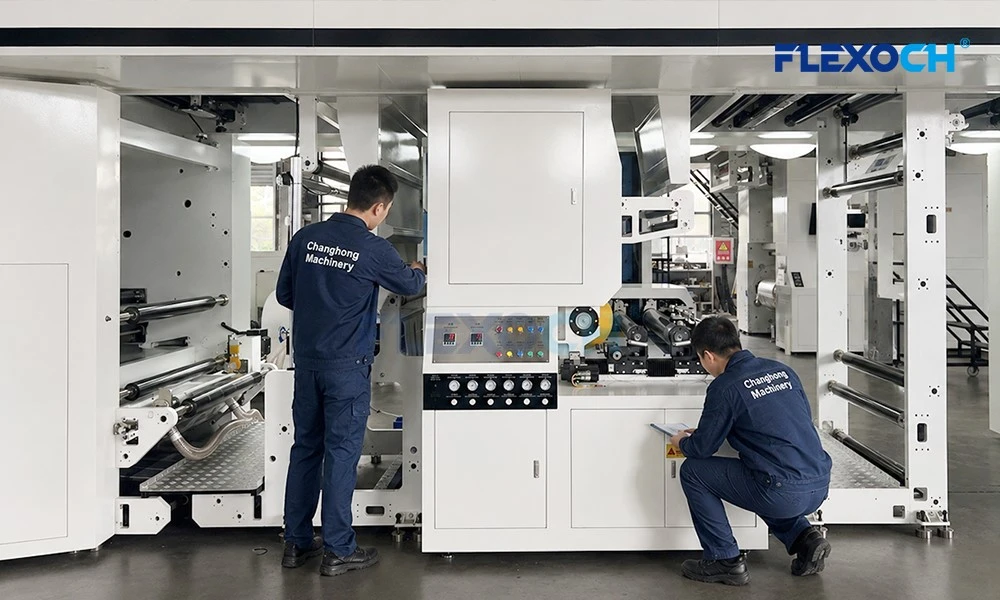
Sleeve setups shine for shops running many different jobs, frequent change-overs and mixed repeat lengths using a CI Flexographic Printing Press. If you mostly do long production runs with unchanged artwork, weigh performance and cost side-by-side with traditional plate cylinder options.

7. FAQ
1.What materials can CI flexo printing machine print on?
Subject to machine configuration, they print PE, BOPP, PET, CPP plastic films, paper, nonwovens, aluminum foil and selected laminated packaging materials. Always validate suitability based on substrate characteristics and printing processes.
2.What is the difference between stack and CI flexo printing machine?
CI flexo printing machine arrange printing units surrounding one central impression drum, supporting stable film transport and accurate multi-color registration. Stack flexo presses stack printing stations vertically. The two designs differ in layout, substrate path and ideal application scenarios.
3.How do CI flexographic printing machine maintain multi-color registration accuracy?
Registration accuracy is affected by plate mounting, central impression cylinder, web tension, drive system and register controls. Well-specified equipment, precise plate mounting and consistent process parameters preserve stable print registration.
4.How to choose the right flexo press web width?
Select width based on maximum substrate width, packaging size, layout arrangement and future job plans. Distinguish between maximum web width, effective printing width and actual graphic width to match production dema
nds.
5.What does daily maintenance for CI flexo press include?
Routine maintenance covers plate and anilox roll cleaning, inspection of ink circuits, tension components, air lines and drive assemblies, plus verification of sleeve and plate mounting. Regular servicing reduces unplanned downtime and sustains consistent print quality. Follow your machine operation manual for detailed maintenance schedules.
8. Pick a CI Flexographic Printing Machine Matching Your Production Needs
With removable plate carriers, the sleeve system on CI flexographic printing machine gives flexible packaging manufacturers greater plate management and job changeover flexibility. For high-mix orders with varied graphics and repeat lengths, it optimizes production preparation workflows. Together with the central impression CI structure, tension management and register systems, it supports consistent multi-color printing.
If you are sourcing a CI flexo printing machine for flexible packaging production, share details including substrate type, maximum printing width, number of colors and product samples. We can assess the optimal machine structure and configuration to fit your actual production requirements.