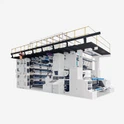
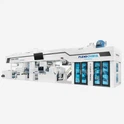
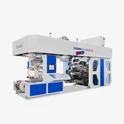
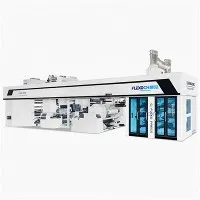
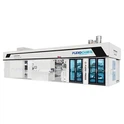
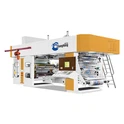
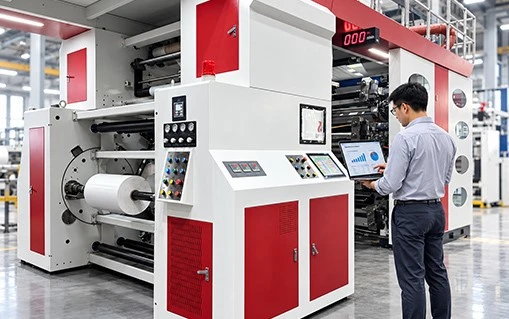
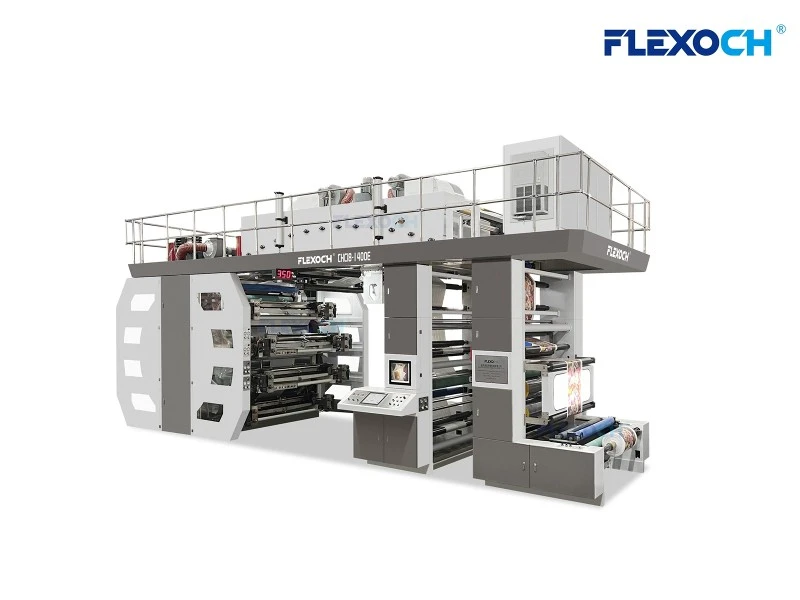
CI flexo printing machine, short for Central Impression flexo printing machine, is widely known in the industry for its central impression drum. CI stands for Central Impression, referring to the large rigid central impression roller at the heart of the machine. Its core working principle: all colour stations are arranged around this large-diameter rigid central drum. The substrate stays in close contact with the drum surface and completes multi-colour overprinting in one continuous pass. This design sets it distinctly apart from stack and inline flexo presses.
Changhong Flexo will walk you through how central impression technology boosts print quality, covering registration accuracy, substrate handling, printing pressure control and high-speed production performance.
1. What is central impression technology for CI flexo printing machine?
Central impression technology marks the main structural gap between CI flexo printing machines and other flexo machines.
Traditional flexo printing machines use separate, independent printing units. The substrate travels sequentially from one printing station to the next. With noticeable gaps between colour groups, the web is vulnerable to tension fluctuations, mechanical vibration and material expansion or contraction, which easily trigger registration drift.
By contrast, a CI flexo printing machine features one large central impression drum surrounded by multiple colour printing stations. During production, films, paper and other substrates stay tightly wrapped against the drum surface and receive multi-colour printing one after another.
This layout locks the substrate in a stable position between printing stations. It minimises material deformation caused by repeated traction and lays a solid foundation for high-precision printing. Central impression technology reshapes not only the mechanical layout of flexo presses, but also the stability of web movement throughout the printing cycle.
2. How central impression technology improves print registration and quality
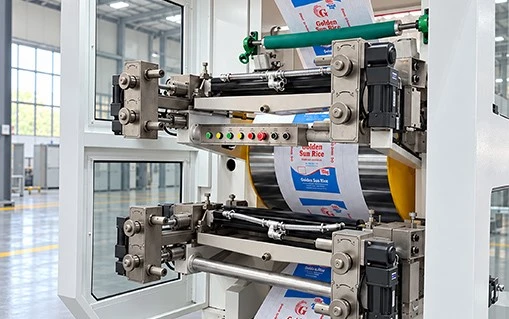
1.Superior multi-colour registration with minimal cumulative error When printing on PE film, non-woven fabric, composite paper and similar substrates, the web adheres firmly to the central impression drum. There is nearly zero relative shift of the substrate between colour stations. Every colour is printed against the same rigid reference surface. Multi-colour registration accuracy can reach ±0.1 mm, and alignment stays consistent during long runs at high speeds. Fine text and intricate patterns maintain precise overprinting.
2.Rigid web support suppresses stretching and protects delicate substrates On stack presses, flexible materials such as PE film and non-woven fabric tend to stretch and wrinkle while suspended during transport. The CI design keeps the substrate continuously supported by the central drum. This rigid backing effectively restrains tension-induced stretching and lateral wandering. It handles elastic, easily stretched substrates including plastic films, aluminium foil and non-woven fabric, preventing image elongation, dot gain loss and wrinkling defects.
3.Consistent printing pressure across all colours for stable dot reproduction All colour stations share the same impression reference. The impression gap and contact duration remain uniform for every station. A gentle, stable printing pressure can be applied consistently. This delivers even ink transfer and reliable dot reproduction, eliminating uneven pressure that causes inconsistent ink density. Dots and solid blocks maintain uniform appearance from start to finish across the full roll.
4.Reliable print quality at high running speeds The heavy-duty integrated central drum delivers high rigidity and low vibration. Combined with water-cooled temperature control, thermal deformation is kept very low even at high speeds. During continuous production at 150–350 m/min, web jitter is greatly reduced. Ink density and registration position are not sensitive to speed changes. For large-volume food packaging and aseptic packaging orders, colour difference and position deviation between the start and end of the roll are tightly controlled, cutting scrap rates significantly.
5.With CI flexo printing machines, the substrate travels lock-step alongside the drum at steady relative speed, keeping ink transfer consistent. This greatly cuts down ghosting, edge burrs and stray spot flaws. Add corona treatment plus closed doctor blade hardware, and you get even ink coverage across PE films and composite paper.
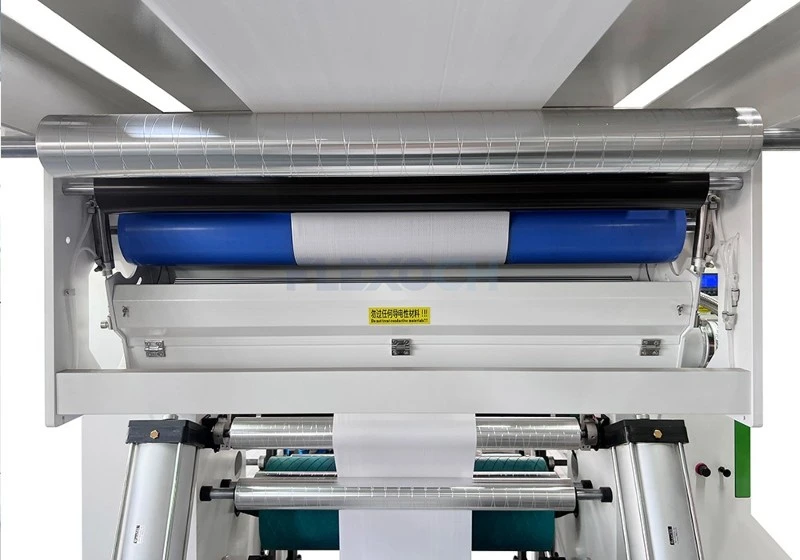
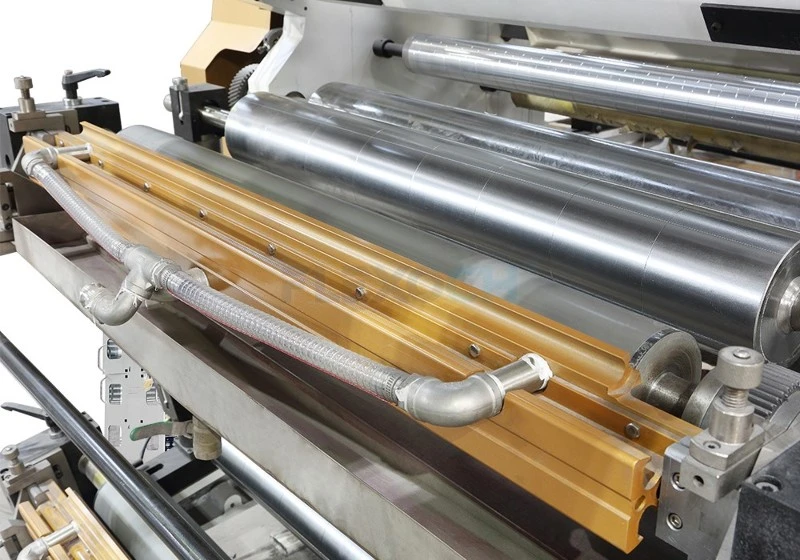
3. CI flexo printing machines balance high-speed output with consistent quality and productivity
Running presses fast gives packaging printers more output, though it puts heavy demands on machine stability. Faster speeds often trigger real-world issues: tension drift, machine vibration, fluctuating impression pressure and poor drying performance.
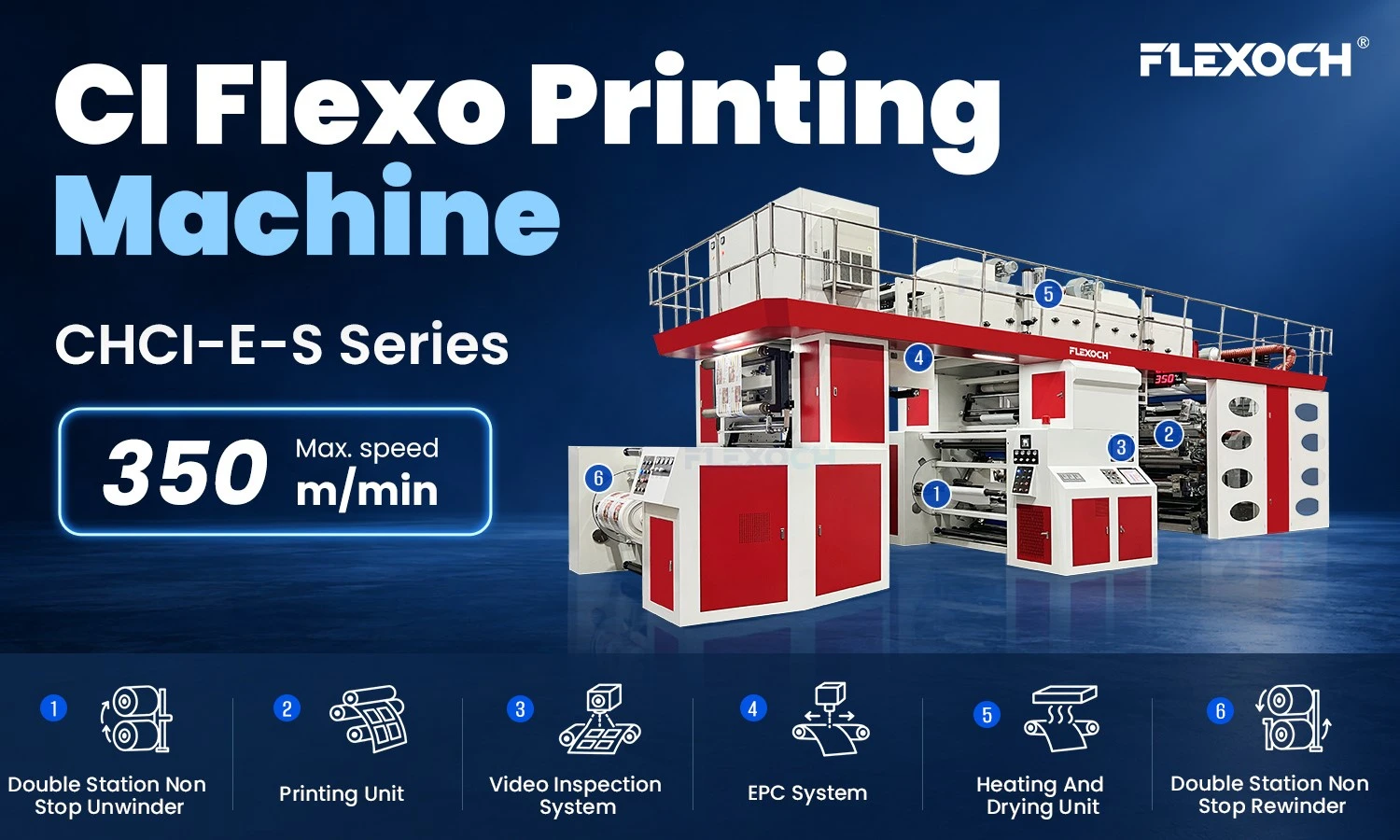
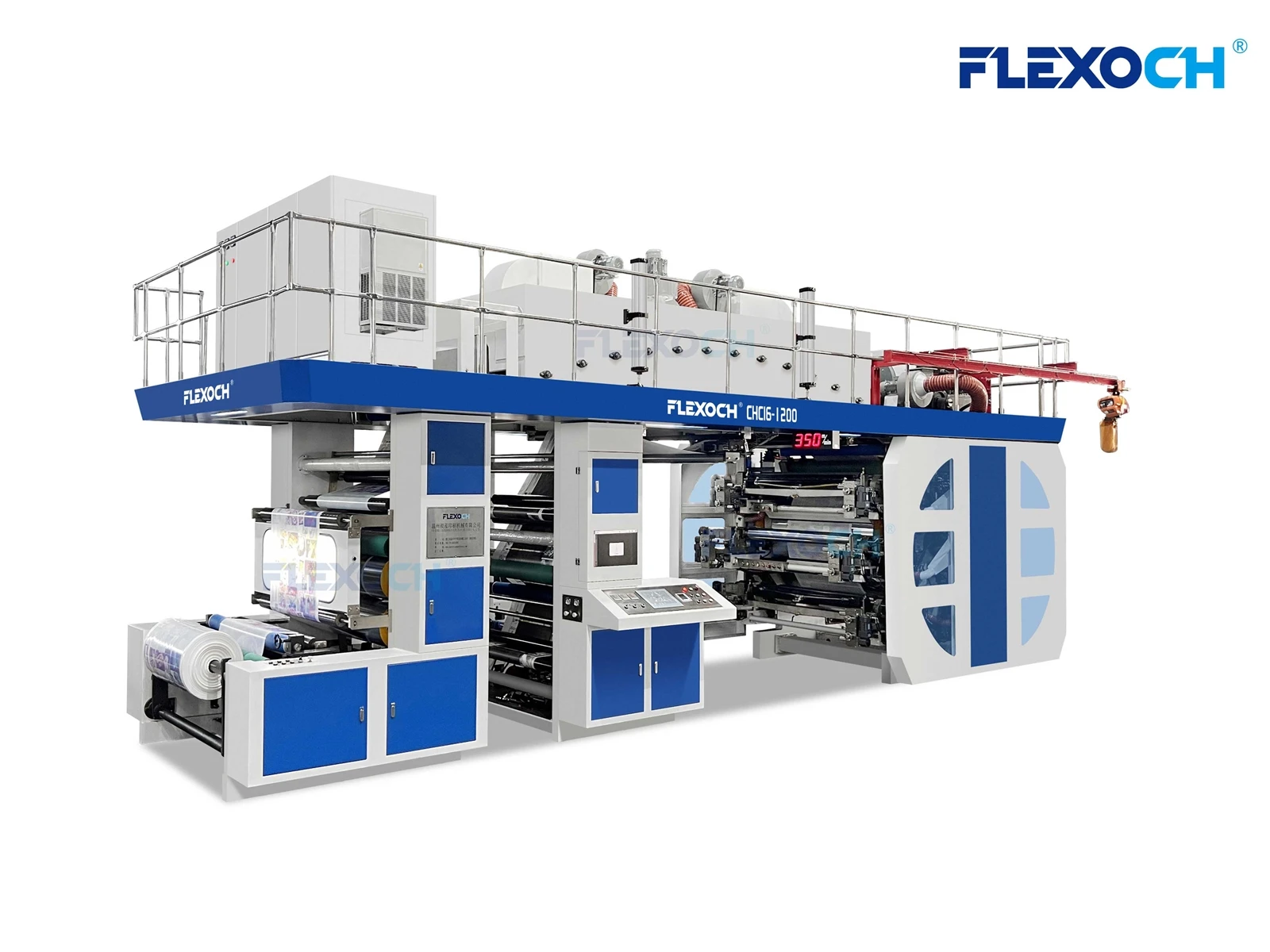
The central impression drum cuts down web travel between colour stations, so registration shift stays minimal even at high speed. Pair this with high-precision servo motors, auto register controls and inline vision inspection, and the machine holds steady print performance at elevated running rates. Changhong Machinery CItype flexo printing machine hit a rated speed of 350 m/min, ideal for continuous mass production for packaging converters.
Real-world operating speed needs tuning based on your substrate, colour count, ink mix, drying capability and expected print quality. On long production runs, reliable printing cuts downtime and rework from register error, web wrinkles and print defects, boosting total machine uptime.
Video Introduction
4. Suitable packaging substrates for CI flexo technology
Thanks to reliable web support and consistent multi-colour printing performance, CI flexo printing machines work well across a wide spectrum of packaging substrates.
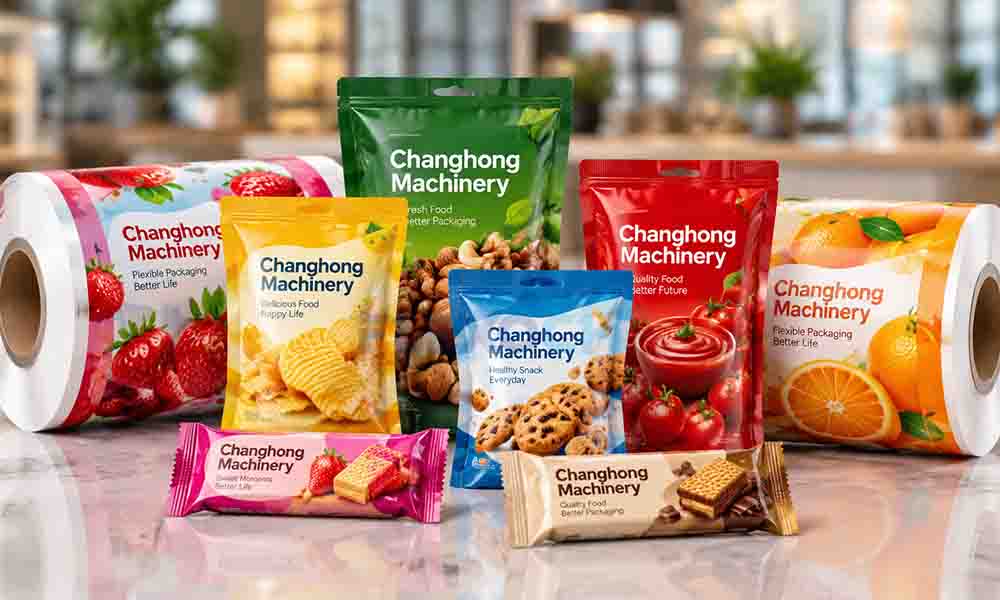
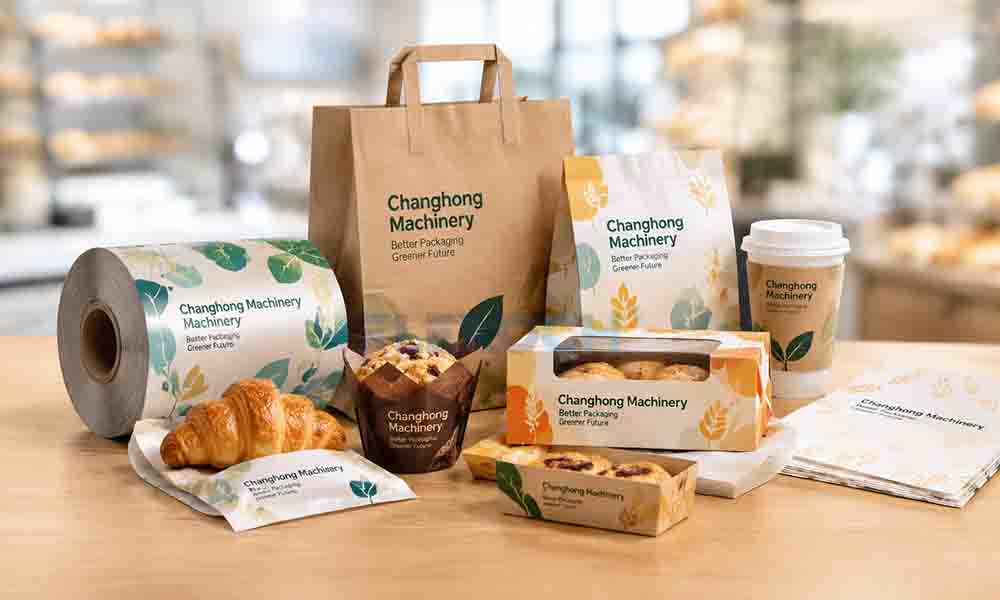
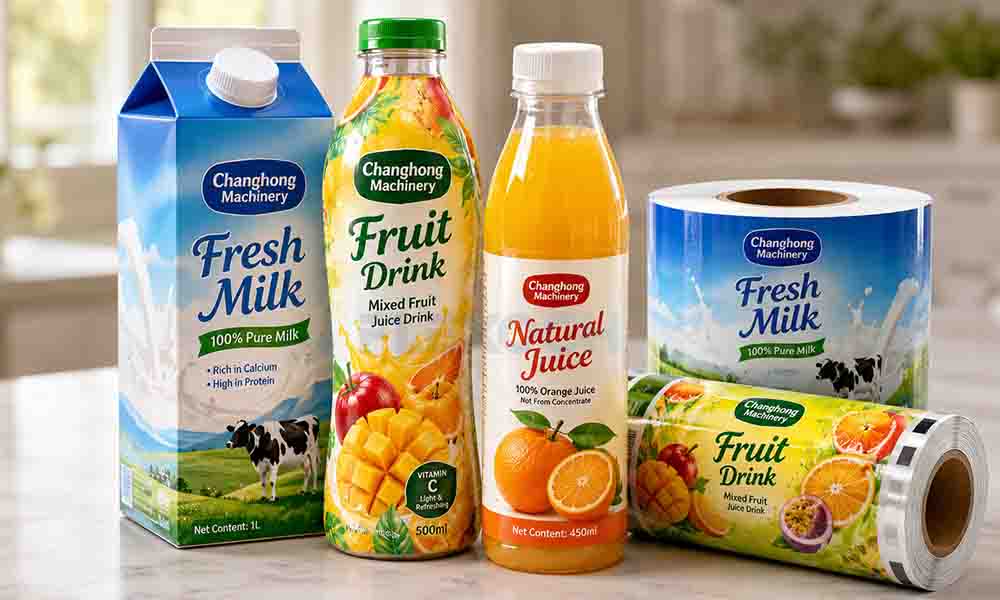
- Plastic films: PE, PP, BOPP, PET, CPP and more. Ideal for food pouches, frozen food packaging, cosmetic packaging and laminated composite films.
- Paper-based materials: Food-grade packaging paper, paper sacks, label stock and selected laminated paper grades, delivering sharp graphics and faithful colour reproduction.
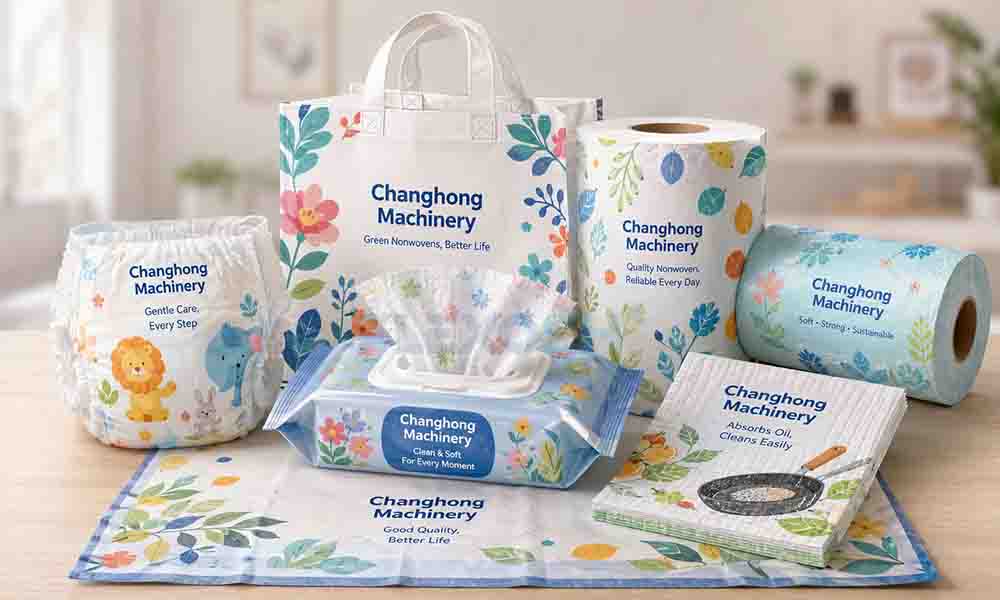
- Nonwoven materials: PP spunbond nonwoven and composite nonwoven, widely used for shopping bags and hygiene packaging products.
- Composite packaging materials: With properly tuned tension control, surface treatment, inks and drying systems, the press can also print on qualified composite films.
Different substrates vary greatly in surface tension, thickness, elongation and ink absorption. Machine setup and process parameters must be tailored to your specific printing requirements.
Summary
Central impression technology forms the core guarantee of superior flexo print quality for CI flexo printing machine. With unified impression support, stable web travel and precision multi-colour registration, it effectively reduces registration errors, controls film stretching, sharpens graphic details and maintains consistency over long production runs.
As the packaging industry pursues higher quality, greater efficiency and broader material diversity, CI flexo printing machines will continue to grow in value for flexible packaging, paper and nonwoven printing applications..
Changhong Machinery specialises in R&D and manufacturing of flexographic printing equipment. By integrating central impression technology, servo drive systems, precise tension control and automated printing functions, we deliver stable, high-efficiency printing solutions for diverse packaging materials. We help packaging manufacturers upgrade print quality, optimise production efficiency and strengthen market competitiveness.
FAQ
Q1: Is a CI flexo printing machine only for long runs, or can it handle short batches?
A1: CItype flexo printing machine handle long runs really well. That said, they can run short batches if you set them up properly. Quick-change sleeves and auto register preset cut makeready time. For premium labels and small food packs needing clean print quality, they outperform stack presses. Many converters run mixed work, long orders plus high-value small jobs, and this machine fits that workflow.
Q2: What maintenance does the CI central impression drum require?
A2: This central drum is the press's main reference point. Keep its surface free of scratches, and wipe off leftover ink and adhesive. Check the water cooling loop regularly to keep temperature steady. We suggest a yearly concentricity test to hold registration accuracy. Simple routine care extends drum life and stops slow quality shifts over time.
Q3: How do CI flexo and stack flexo printing machines differ in cost?
A3: CI type flexo printing machine carries a higher upfront price. The big precision drum, heavy frame and temperature control system push the initial cost up. Still, users see less scrap and fewer reworks at high running speeds. For large flexible packaging jobs, lower waste and better uptime let operators recover that extra investment eventually.
Q4: Can CI flexo use water-based inks for food-safe packaging?
A4: Yes, it works great with water-based inks for food-contact packaging. The central drum holds the web tight so ink lays evenly. When paired with hot air drying and closed doctor blades, you avoid ink backflow and strange leftover odour. This setup meets standard food safety requirements.
Q5: What is the main difference between CI flexo and gravure for flexible packaging?
A5: Gravure printing shines for extremely long runs, giving deep solid colours and a glossy finish.CI flexo printing machine lets you switch jobs faster, and plates cost less. It also works better with water-based inks and recyclable films. It is a practical pick for brands that refresh packaging designs or prioritise sustainability.