When it comes to the production of non-woven bags, a Non Woven Bag Flexo Printing Machine plays a pivotal role. The printing speed of this machine is a crucial factor that significantly impacts the efficiency and productivity of a non-woven bag production line. As a reliable Non Woven Bag Flexo Printing Machine supplier, I am here to share in-depth knowledge about its printing speed.
Understanding the Basics of Non Woven Bag Flexo Printing Machine
Before delving into the printing speed, it's essential to understand what a Non Woven Bag Flexo Printing Machine is. This machine uses the flexographic printing method, which is a form of relief printing that involves the use of a flexible printing plate. It's well - known for its ability to print on a variety of substrates, including non - woven fabrics, with high - quality results.
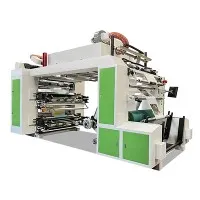
The non - woven bag flexo printing machine consists of several key components such as printing units, an ink supply system, a drying system, and a control panel. These components work together to ensure a smooth and efficient printing process.
Factors Affecting Printing Speed
- Machine Specifications
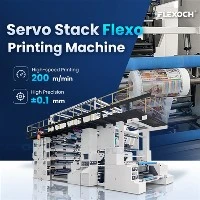
- The design and build quality of the machine have a direct impact on its printing speed. High - end Non Woven Bag Flexo Printing Machines are often equipped with advanced drive systems and precision mechanical components. For example, a machine with a servo - driven system can offer more accurate speed control and higher acceleration compared to a traditional belt - driven machine. This allows for faster printing speeds without sacrificing print quality.
- The number of printing colors also affects the speed. A machine with more printing units, such as a 6 Colour Flexo Printing Machine, may take longer to complete a print job as each color requires separate printing and drying steps. However, modern multi - color machines are designed to optimize this process to minimize the overall time.
- Substrate Characteristics
- The type of non - woven fabric used can influence the printing speed. Different non - woven materials have different surface properties, such as porosity, smoothness, and absorbency. For instance, a highly porous non - woven fabric may require more drying time after printing, as the ink penetrates deeper into the material. This can slow down the overall printing speed. On the other hand, a smoother and less absorbent non - woven fabric allows for quicker ink setting and faster printing.
- The thickness of the non - woven substrate also matters. Thicker materials may require slower printing speeds to ensure proper ink transfer and adhesion. If the machine tries to print too fast on a thick substrate, the ink may not be evenly distributed, leading to poor print quality.
- Ink and Drying Systems
- The type of ink used in the flexo printing process is crucial. Solvent - based inks generally dry faster than water - based inks. However, solvent - based inks also have environmental and safety concerns. Modern machines are often designed to work with water - based inks, and the drying system needs to be optimized for these inks. A more efficient drying system can significantly increase the printing speed by quickly removing the moisture from the printed non - woven bags.
- The design of the drying system, such as the type of heaters (infrared, hot air, etc.) and the air circulation within the dryer, affects how fast the ink can dry. A well - designed drying system can ensure that the printed bags are dry enough to be processed further without waiting for extended periods, thereby increasing the overall printing speed.
Typical Printing Speeds
The printing speed of a Non Woven Bag Flexo Printing Machine can vary widely depending on the factors mentioned above. Generally, entry - level machines may have a printing speed ranging from 30 to 60 meters per minute. These machines are suitable for small - scale production or for printing simple designs with fewer colors.
Mid - range machines, which are more commonly used in medium - sized non - woven bag production facilities, can achieve printing speeds between 60 and 120 meters per minute. These machines offer a good balance between speed and cost - effectiveness, and they can handle more complex printing jobs with multiple colors.
High - end industrial Non Woven Bag Flexo Printing Machines can reach speeds of up to 200 meters per minute or even higher. These machines are typically equipped with state - of - the - art technology, including advanced servo systems, efficient drying mechanisms, and high - precision printing units. They are designed for large - scale production and can handle high - volume orders with tight deadlines.
Comparing with Other Printing Machines
When comparing the printing speed of a Non Woven Bag Flexo Printing Machine with other types of printing machines used in the packaging industry, it has its own advantages. For example, compared to offset printing machines, flexo printing machines can generally offer faster printing speeds, especially when it comes to printing on non - porous substrates like non - woven fabrics.
Offset printing involves a more complex process with multiple transfers of ink, which can slow down the overall printing speed. In contrast, flexo printing directly transfers the ink from the printing plate to the substrate, allowing for a more straightforward and faster printing process.


Another comparison can be made with digital printing machines. While digital printing offers high - resolution and variable - data printing capabilities, its printing speed is often slower than that of flexo printing for large - volume production. Digital printing machines usually operate on a point - by - point basis, which is time - consuming when printing a large number of bags. Flexo printing, on the other hand, can print large areas simultaneously, making it more suitable for high - speed, high - volume production.
Considerations forChoosing the Right Printing Speed
When a non - woven bag manufacturer is looking to purchase a Non Woven Bag Flexo Printing Machine, the appropriate printing speed should be carefully considered.
- Production Volume
- If the manufacturer has a high - volume production requirement, such as supplying non - woven bags to large supermarkets or retail chains, a machine with a higher printing speed is essential. A high - speed machine can meet the demand within a shorter time frame, reducing the overall production time and increasing the profit margin.
- For small - scale producers who mainly serve local markets or handle custom - order jobs, a machine with a lower to mid - range printing speed may be sufficient. This can reduce the initial investment cost while still meeting the production needs.
- Print Quality Requirements
- If the printing job requires high - quality, detailed graphics and accurate color reproduction, the printing speed may need to be adjusted. Printing at a slower speed can sometimes result in better ink transfer and more precise registration of colors. However, for less demanding print jobs, such as simple text or basic logos, a higher printing speed can be used without sacrificing too much print quality.
Related Products for a Comprehensive Production Line
As a Non Woven Bag Flexo Printing Machine supplier, we also offer a range of related products. For example, we have Pp Woven Bag Printing Machine, which is suitable for printing on polypropylene woven bags. This machine shares some similarities with the non - woven bag flexo printing machine in terms of the flexographic printing principle but is optimized for the specific properties of PP woven bags.
We also provide Plastic Bag Flexo Printing Machine, which is designed for printing on various types of plastic bags. These machines can be integrated into a comprehensive packaging production line, allowing manufacturers to produce different types of bags with different printing requirements.
Contact for Purchase and Discussion
If you are in the market for a Non Woven Bag Flexo Printing Machine or want to discuss your specific production needs, we are here to help. Our team of experts can provide you with detailed information about our machines, including their printing speed, features, and prices. We can also offer customized solutions based on your unique requirements. Whether you are a small - scale start - up or a large - scale industrial producer, we have the right printing machine for you.
References
- Packaging Machinery Manual: Flexographic Printing Systems
- Handbook of Flexible Packaging Technology
- Journal of Printing Science and Technology