As a supplier of Film Flexo Printing Machines, I often receive inquiries about the machine's capabilities, particularly regarding its compatibility with different types of films. One common question is whether a Film Flexo Printing Machine can print on anti - static films. In this blog, I'll delve into this topic, exploring the characteristics of anti - static films, the working principles of Film Flexo Printing Machines, and the feasibility of printing on anti - static films.
Understanding Anti - Static Films
Anti - static films are a specialized type of plastic film designed to prevent the accumulation of static electricity. Static electricity can cause a variety of problems, such as attracting dust and debris, interfering with electronic devices, and even causing sparks in certain environments. Anti - static films are commonly used in industries such as electronics, packaging, and food processing, where static electricity can pose a risk to products or processes.
These films are typically made from polymers such as polyethylene (PE), polypropylene (PP), or polyester (PET), and they are treated with anti - static agents during the manufacturing process. These agents work by either dissipating the static charge or preventing its generation in the first place. The anti - static properties of the film can vary depending on the type and concentration of the anti - static agent used, as well as the manufacturing process.
Film Flexo Printing Machines: An Overview
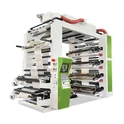
A Film Flexo Printing Machine is a type of printing press that uses flexible relief plates to transfer ink onto a substrate, in this case, plastic film. The printing process involves several key components, including an ink chamber, an anilox roller, a printing plate, and a pressure roller. The anilox roller is responsible for metering the ink onto the printing plate, which then transfers the ink onto the film as it passes between the printing plate and the pressure roller.
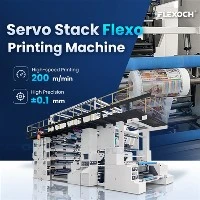
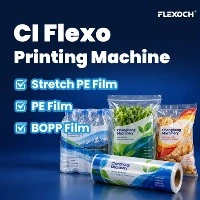
One of the advantages of Film Flexo Printing Machines is their versatility. They can be used to print a wide range of designs, colors, and patterns on various types of plastic films, including polyethylene, polypropylene, and polyester. They are also known for their high - speed printing capabilities, making them suitable for large - scale production runs.
If you are interested in our different types of printing machines, you can check out our Plastic Film Printing Machine, Wide Web Flexo Printing Machine, 6 Colour Flexo Printing Machine, 4 Colour Flexo Printing Machine, and Plastic Bag Flexo Printing Machine.
Can a Film Flexo Printing Machine Print on Anti - Static Films?
The short answer is yes, a Film Flexo Printing Machine can print on anti - static films. However, there are several factors that need to be considered to ensure a successful printing process.
1. Compatibility of Ink and Film
The first consideration is the compatibility between the ink used in the printing machine and the anti - static film. The anti - static agents on the film's surface can affect the adhesion of the ink. Some anti - static agents may create a barrier that prevents the ink from bonding properly with the film, resulting in poor print quality, such as ink smudging or peeling.
To address this issue, it is crucial to select the right type of ink. Specialized inks that are formulated to adhere to anti - static films are available in the market. These inks are designed to have good compatibility with the anti - static agents on the film's surface, ensuring strong adhesion and high - quality prints.
2. Surface Treatment of the Film
Surface treatment can also play a significant role in the printing process. Treating the anti - static film with corona or flame treatment can increase the surface energy of the film, making it more receptive to ink adhesion. This treatment helps to break down the chemical bonds on the film's surface, creating a rougher texture that allows the ink to adhere better.
3. Printing Conditions
The printing conditions, such as temperature, humidity, and printing pressure, also need to be optimized. High humidity levels can cause the anti - static film to absorb moisture, affecting its physical properties and potentially causing printing problems. On the other hand, low temperatures can make the ink more viscous, leading to poor ink transfer.
Proper calibration of the printing pressure is also essential. If the pressure is too high, it can damage the anti - static film or cause the ink to spread unevenly. If the pressure is too low, the ink may not be transferred effectively to the film.


Benefits of Printing on Anti - Static Films
Despite the challenges, there are several benefits to printing on anti - static films using a Film Flexo Printing Machine.
1. Enhanced Product Protection
Anti - static films are commonly used in the packaging of electronic components and other sensitive products. By printing product information, logos, or instructions directly on the anti - static film, the packaging can not only protect the product from static electricity but also provide important information to the end - user.
2. Marketing and Branding Opportunities
Printed anti - static films can serve as an effective marketing tool. Companies can use high - quality prints to showcase their brand, products, and promotions, increasing brand visibility and recognition.
3. Cost - Efficiency
Printing directly on the anti - static film can eliminate the need for additional labeling or packaging materials, reducing production costs and waste.
Case Studies
Let's look at a few case studies to illustrate the successful application of Film Flexo Printing Machines on anti - static films.
In the electronics industry, a manufacturer of mobile phone components uses anti - static films for packaging. By using a Film Flexo Printing Machine, they were able to print detailed product information, such as part numbers and barcodes, directly on the anti - static film. This not only improved the efficiency of their packaging process but also enhanced the traceability of their products.
In the food processing industry, a company that produces snacks uses anti - static films for packaging their products. They used a Film Flexo Printing Machine to print colorful designs and branding elements on the film. The high - quality prints attracted more consumers, leading to an increase in sales.
Conclusion
In conclusion, a Film Flexo Printing Machine can indeed print on anti - static films. However, to achieve optimal results, it is necessary to consider factors such as ink - film compatibility, surface treatment, and printing conditions. With the right approach, printing on anti - static films can offer numerous benefits, including enhanced product protection, marketing opportunities, and cost - efficiency.
If you are interested in exploring the printing possibilities on anti - static films or any other types of plastic films, our team of experts is here to assist you. We have a wide range of Film Flexo Printing Machines that can meet your specific requirements. Please feel free to contact us to discuss your needs and start a productive procurement negotiation.
References
- "Plastic Film Technology: Processing, Properties and Applications" by Crawford R. J.
- "Flexographic Printing: Principles and Practices" by Timothy J. Cook.
- "Anti - Static Materials: Fundamentals and Applications" by John D. Murphy.