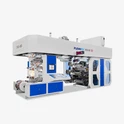
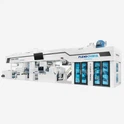
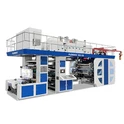
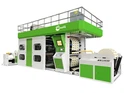
Stack flexo printing machines are essential in the packaging and printing industry, offering high - speed, high - quality printing capabilities for a wide range of materials. As a stack flexo printing machine supplier, I have in - depth knowledge of the key components that make these machines function effectively. In this blog post, I will explore the main parts that constitute a stack flexo printing machine.
Unwinding Unit
The unwinding unit serves as the starting point of the printing process. It is responsible for holding and feeding the substrate material, such as paper, cardboard, or plastic film, into the printing machine. A well - designed unwinding unit should be capable of handling different roll sizes and weights. It typically includes a roll stand, which securely holds the substrate roll. The roll stand may have adjustable arms to accommodate various roll widths.
Tension control is a crucial aspect of the unwinding unit. Precise tension control ensures a smooth and consistent feed of the substrate, preventing issues like wrinkles, slack, or excessive stretching. Most modern unwinding units use pneumatic or electronic tension control systems. These systems continuously monitor and adjust the tension based on the speed of the printing machine and the characteristics of the substrate. For those interested in a Plastic Film Printing Machine, it is especially important to have a reliable unwinding unit to handle the delicate nature of plastic films.
Printing Units
The printing units are the heart of the stack flexo printing machine. These units are responsible for transferring the ink onto the substrate to create the desired print image. Each printing unit typically consists of several key components:
Anilox Roll
The anilox roll is a precision - engineered cylinder with a fine pattern of cells engraved on its surface. These cells hold and meter the ink to the printing plate. The size and density of the cells on the anilox roll determine the amount of ink that is transferred to the substrate. A smaller cell size is used for fine - line printing and high - resolution images, while a larger cell size is suitable for solid color printing or when more ink coverage is required.
Printing Plate Cylinder
The printing plate cylinder holds the flexographic printing plate. The printing plate is made of a flexible material, usually rubber or photopolymer, and is engraved with the image to be printed. The plate cylinder rotates in synchronization with the other components of the printing unit, bringing the printing plate into contact with the substrate and transferring the ink from the anilox roll to the substrate.
Ink Chamber and Pump
The ink chamber is where the ink is stored and supplied to the anilox roll. It is designed to ensure a consistent flow of ink to the anilox roll. An ink pump is used to circulate the ink within the ink chamber and to maintain the proper ink level. The ink chamber may also have a doctor blade system to remove excess ink from the anilox roll, ensuring only the required amount of ink is transferred to the printing plate.
A stack flexo printing machine can have multiple printing units, allowing for multi - color printing. For example, a 6 Colour Flexo Printing Machine has six individual printing units, each capable of printing a different color. This enables the creation of complex and vivid print designs.
Drying System
After the ink is transferred to the substrate, it needs to be dried quickly to prevent smudging and ensure good adhesion. The drying system in a stack flexo printing machine plays a vital role in this process. There are several types of drying systems commonly used:
Hot Air Drying
Hot air drying is one of the most widely used methods. It involves blowing hot air over the printed substrate to evaporate the solvent in the ink. The hot air can be generated by an electric heater or a gas burner. The temperature and airflow of the hot air are carefully controlled to achieve optimal drying results without damaging the substrate.
Infrared Drying
Infrared drying uses infrared radiation to heat the ink on the substrate directly. Infrared drying is fast and energy - efficient, as it heats the ink rather than the surrounding air. It is particularly effective for drying inks with high solvent content.
UV Drying
UV drying is used for UV - curable inks. When exposed to ultraviolet light, the UV - curable inks instantly harden and dry. UV drying systems typically consist of UV lamps and reflectors that direct the UV light onto the printed substrate. UV drying offers several advantages, including high - speed drying, excellent adhesion, and low emissions.
Rewinding Unit
The rewinding unit is responsible for taking the printed substrate from the printing units and winding it into a roll. Similar to the unwinding unit, tension control is critical in the rewinding unit. Proper tension control ensures that the printed roll is wound evenly and tightly, without any wrinkles or loose layers.
The rewinding unit usually includes a core holder, which holds the core onto which the printed substrate is wound. It may also have a trimming mechanism to remove any excess material from the edges of the substrate. Additionally, the rewinding unit can be equipped with a slitting system to cut the printed substrate into multiple narrower rolls. For businesses looking for a machine with built - in slitting capabilities, a Slitter Stack Type Flexo Printing Machine would be a suitable choice.
Control System
The control system is the brain of the stack flexo printing machine. It coordinates the operation of all the components, ensuring smooth and accurate printing. The control system typically includes a human - machine interface (HMI), which allows the operator to input printing parameters, such as speed, temperature, and tension.
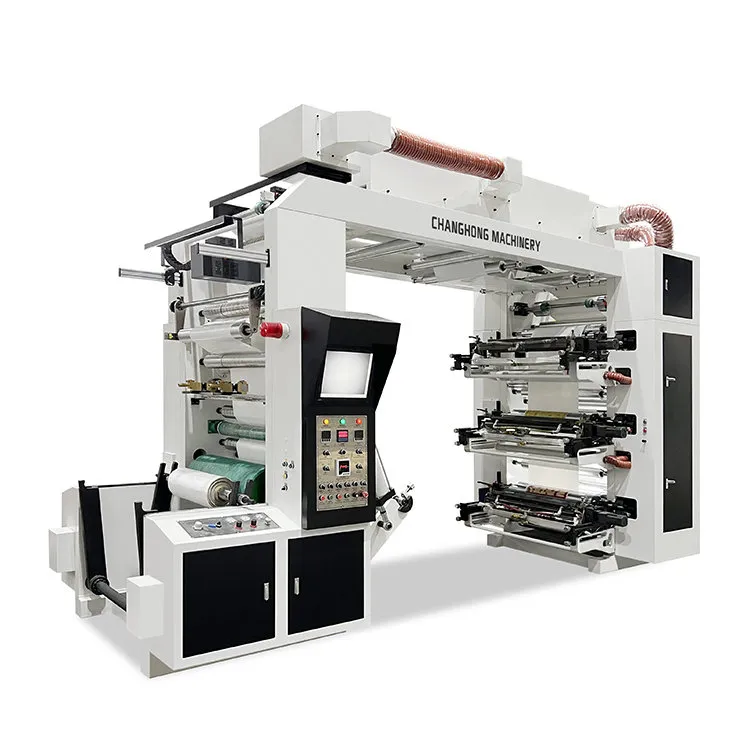

Modern control systems often use programmable logic controllers (PLCs) to manage the various functions of the printing machine. PLCs can store different printing programs, enabling quick changeovers between different print jobs. They also monitor the performance of the machine in real - time, detecting any faults or anomalies and providing diagnostic information to the operator.
Inline Annealing (Optional)
Some stack flexo printing machines may be equipped with an inline annealing unit. Annealing is a process that involves heating the printed substrate to a specific temperature and then cooling it slowly. This process can improve the properties of the substrate, such as its flexibility, strength, and appearance. Inline annealing is particularly useful for printed plastic films, as it can reduce internal stresses and improve the dimensional stability of the film.
Register Control System
The register control system is responsible for ensuring that the different colors printed on the substrate are accurately aligned. Even a slight misalignment can result in a noticeable defect in the final print product. The register control system uses sensors to detect the position of the printed image and makes fine - adjustments to the printing units to correct any misalignment. This system can significantly improve the quality of multi - color printing.
Conclusion
In conclusion, a stack flexo printing machine is a complex piece of equipment composed of several key components. Each component plays a crucial role in the printing process, from the unwinding of the substrate to the final rewinding of the printed product. Understanding these components is essential for anyone involved in the packaging and printing industry, whether you are a printer, a packaging designer, or a business owner looking to invest in a printing machine.
If you are interested in learning more about our stack flexo printing machines or are considering a purchase, we encourage you to contact us for a detailed discussion. Our team of experts is ready to assist you in finding the right machine for your specific needs.
References
- Smith, J. (2018). Flexographic Printing: Principles and Practices. Printing Industry Press.
- Johnson, A. (2019). Advances in Printing Technology. Packaging and Printing Journal.
- Brown, C. (2020). The Future of Stack Flexo Printing Machines. Industry Insights Magazine.