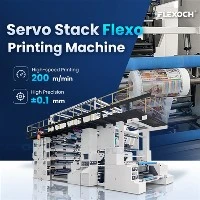
In the dynamic world of packaging and printing, plastic film printing machines play a pivotal role. As a leading supplier of Plastic Film Printing Machines, we understand the significance of ensuring the smooth running of plastic film within these machines. A seamless operation not only enhances productivity but also guarantees high - quality printed products, which are essential for meeting customer expectations and staying competitive in the market.
Understanding the Plastic Film and Printing Machine Interaction
Before delving into the methods to ensure smooth running, it's crucial to understand the basic interaction between the plastic film and the printing machine. Plastic films, such as polyethylene (PE), polypropylene (PP), and polyester (PET), have different physical and chemical properties. These properties can significantly affect how the film behaves during the printing process. For instance, PE film is known for its flexibility and low cost, making it a popular choice in many packaging applications. Our PE Film Printing Machine is specifically designed to handle the unique characteristics of PE film, ensuring optimal printing results.

The printing machine, on the other hand, has various components that work in tandem to transport, print, and dry the plastic film. These components include unwinding and rewinding units, printing cylinders, ink systems, and drying ovens. Any malfunction or misalignment in these components can disrupt the smooth running of the plastic film.
Pre - press Preparation
Film Inspection and Selection
The first step in ensuring the smooth running of plastic film in a printing machine is to conduct a thorough inspection of the film before loading it into the machine. Check for any visible defects such as scratches, holes, or uneven thickness. These defects can cause problems during the printing process, such as ink smudging or film breakage.
Moreover, select the appropriate type and thickness of the plastic film based on the printing requirements. Different printing jobs may require different film properties. For example, if you are printing high - resolution images, a thinner and more uniform film may be preferred.

Machine Setup
Proper machine setup is essential for the smooth running of the plastic film. Start by cleaning all the machine components, including the printing cylinders, ink ducts, and drying ovens. Any dirt or debris can affect the quality of the print and cause the film to stick or jam.
Next, calibrate the tension control system of the machine. The tension of the plastic film should be maintained at an optimal level throughout the printing process. Too much tension can cause the film to stretch or break, while too little tension can result in wrinkling or misalignment.
Printing Process Considerations
Ink Management
Ink is a crucial factor in the plastic film printing process. The choice of ink should be compatible with the type of plastic film. For example, solvent - based inks are commonly used for PE and PP films, while water - based inks are more suitable for PET films.
Maintain the proper viscosity and density of the ink. If the ink is too thick, it may not flow smoothly through the printing system, leading to uneven printing. On the other hand, if the ink is too thin, it may spread too much and cause blurry images.
Regularly clean the ink delivery system to prevent clogging. Clogged ink ducts can disrupt the ink flow and cause inconsistent printing results.
Registration Accuracy
Registration accuracy refers to the precise alignment of different colors during the multi - color printing process. In a 4 Colour Flexo Printing Machine or a 6 Colour Flexo Printing Machine, accurate registration is essential for producing high - quality printed products.
Use advanced registration control systems to ensure that each color is printed in the correct position on the plastic film. These systems can automatically adjust the position of the printing cylinders based on sensors and feedback mechanisms.
Drying Process
The drying process is critical to prevent the ink from smudging or sticking to the film during winding. Different types of plastic films and inks require different drying methods and temperatures.
For solvent - based inks, hot air drying is commonly used. Adjust the temperature and airflow rate of the drying oven according to the type of film and ink. If the drying temperature is too high, it may cause the film to shrink or deform. If the temperature is too low, the ink may not dry completely.
For water - based inks, infrared drying or UV curing may be used in addition to hot air drying. These methods can provide faster and more efficient drying, which is beneficial for high - speed printing operations.
Post - press Handling
Winding and Rewinding
After the printing process is completed, proper winding and rewinding of the plastic film are crucial to maintain its quality. The winding tension should be carefully controlled to prevent the film from wrinkling or stretching.
Use a winding unit with a tension control system that can adjust the tension based on the diameter of the wound roll. This ensures that the film is wound evenly and tightly, reducing the risk of damage during storage and transportation.
Quality Control
Conduct a final quality control check on the printed plastic film. Inspect the print for any defects such as color variations, smudging, or registration errors. If any defects are found, analyze the root cause and take corrective actions to prevent them from occurring in future printing jobs.
Maintenance and Troubleshooting
Regular Maintenance
Regular maintenance of the printing machine is essential to ensure its long - term reliable operation. Establish a maintenance schedule that includes cleaning, lubrication, and inspection of all machine components.
Replace worn - out parts such as printing cylinders, doctor blades, and tension control belts in a timely manner. This can prevent unexpected breakdowns and ensure the smooth running of the plastic film.
Troubleshooting
Despite proper preparation and maintenance, problems may still occur during the printing process. Some common problems include film breakage, ink smudging, and registration errors.
When a problem occurs, quickly identify the root cause by checking the machine components, the film, and the ink. For example, if the film breaks, check the tension control system, the presence of any sharp edges on the machine, or the quality of the film itself.
Conclusion
Ensuring the smooth running of plastic film in a printing machine requires a comprehensive approach that includes pre - press preparation, careful consideration during the printing process, proper post - press handling, and regular maintenance. As a Plastic Film Printing Machine supplier, we are committed to providing high - quality machines and technical support to our customers.
If you are interested in purchasing a plastic film printing machine or need more information on how to optimize your printing process, we invite you to contact us for a detailed discussion. Our team of experts is ready to assist you in making the right choice and ensuring a successful printing operation.


References
- Smith, J. (2020). Plastic Film Printing: Principles and Practices. Printing Press.
- Brown, A. (2019). Troubleshooting Guide for Plastic Film Printing Machines. Technical Publishing.