Hey there! As a stack flexo printing machine supplier, I've seen firsthand the ins and outs of this industry. One question that often comes up from our customers is about the wear and tear of printing plates in stack flexo printing. So, let's dive right into it.
Understanding Stack Flexo Printing
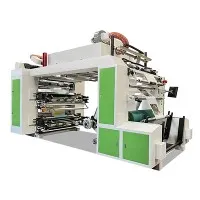
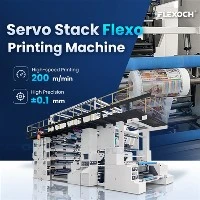
First off, let's quickly go over what stack flexo printing is. Stack flexo printing is a popular method used for printing on various materials like paper, plastic, and cardboard. In a stack flexo printing setup, the printing units are stacked vertically. This design allows for multiple colors to be printed in a single pass, which is super efficient for high - volume printing jobs.
We offer a range of stack flexo printing machines, such as the 4 Colour Flexo Printing Machine, the Slitter Stack Type Flexo Printing Machine, and the Plastic Film Printing Machine. These machines are designed to handle different printing requirements, but they all rely on printing plates to transfer the ink onto the substrate.
What Are Printing Plates in Stack Flexo Printing?
Printing plates in stack flexo printing are like the key players in a game. They are made of a flexible material, usually photopolymer, and are engraved with the image or text that needs to be printed. The ink is applied to the raised areas of the plate, and then the plate transfers the ink onto the substrate as it passes through the printing unit.
Causes of Wear and Tear
1. Friction
One of the main causes of wear and tear on printing plates is friction. When the substrate passes over the printing plate, there is a certain amount of friction between the two surfaces. Over time, this friction can cause the raised areas of the plate to wear down. The more abrasive the substrate is, the faster the plate will wear. For example, printing on a rough cardboard will cause more wear on the plate compared to printing on a smooth plastic film.
2. Ink Chemistry
The chemistry of the ink also plays a big role. Some inks contain chemicals that can be harsh on the printing plate material. Solvent - based inks, for instance, can dissolve or swell the photopolymer material of the plate. This can lead to deformation of the plate, making it less effective at transferring the ink. Water - based inks are generally more plate - friendly, but they still need to be formulated correctly to avoid any long - term damage.
3. Cleaning Process
How you clean the printing plates can also contribute to their wear and tear. Using the wrong cleaning agents or scrubbing too hard can damage the plate surface. Abrasive cleaners can scratch the plate, while some chemicals can react with the plate material. It's important to use a cleaning solution that is specifically designed for flexo printing plates and follow the manufacturer's instructions for cleaning.
4. Machine Settings
Incorrect machine settings can put extra stress on the printing plates. If the pressure between the plate cylinder and the anilox roller or the substrate is too high, it can cause excessive wear on the plate. Similarly, if the speed of the machine is too fast, it can result in uneven ink transfer and increased friction, both of which can damage the plate.
Video introduction
Effects of Wear and Tear
1. Print Quality Degradation
The most obvious effect of worn - out printing plates is a degradation in print quality. As the raised areas of the plate wear down, the transferred ink becomes less sharp and clear. You might start to see blurry images, missing details, or uneven ink coverage. This can be a big problem, especially for high - end printing jobs where quality is crucial.


2. Increased Production Costs
Worn printing plates also mean increased production costs. You'll need to replace the plates more frequently, which can be expensive, especially if you're running a large - scale printing operation. Additionally, the time spent on replacing plates can lead to downtime, reducing the overall productivity of your printing process.
3. Waste Generation
When a printing plate is worn out, it needs to be discarded. This contributes to waste generation, which is not only bad for the environment but also adds to the overall cost of the printing operation.
How to Minimize Wear and Tear
1. Choose the Right Substrate
Selecting the right substrate for your printing job can significantly reduce plate wear. Opt for smoother substrates whenever possible, as they will cause less friction. If you need to print on a rough substrate, you might want to consider using a higher - quality printing plate that is more resistant to wear.
2. Select the Appropriate Ink
Work with an ink supplier to choose an ink that is compatible with your printing plates. Water - based inks are a good option as they are generally less harmful to the plates. Make sure the ink has the right viscosity and drying properties to ensure optimal performance.
3. Proper Cleaning
Follow a proper cleaning routine for your printing plates. Use a gentle cleaning solution and a soft brush to clean the plates after each printing job. Avoid using abrasive materials or excessive force.
4. Optimize Machine Settings
Take the time to set up your stack flexo printing machine correctly. Adjust the pressure between the cylinders and the speed of the machine according to the requirements of your printing job. Regularly check and calibrate the machine to ensure that it is operating at its best.
Conclusion
So, there you have it! The wear and tear of printing plates in stack flexo printing is a complex issue that is influenced by many factors. But by understanding the causes and taking the right steps to minimize it, you can extend the life of your printing plates, improve print quality, and reduce production costs.
If you're in the market for a stack flexo printing machine or have any questions about printing plates and how to take care of them, don't hesitate to reach out. We're here to help you make the most of your printing operation. Whether you're a small - scale printer or a large - scale production facility, we've got the solutions for you. Let's talk and see how we can work together to meet your printing needs.


References
- "Flexographic Printing: Principles and Practices" by the Flexographic Technical Association
- "Printing Plate Technology for Flexography" by various industry experts in flexo printing