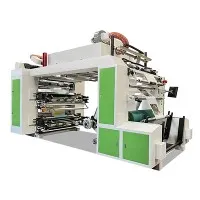
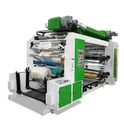
In the world of flexographic printing, one of the most critical yet often overlooked factors is the impression pressure in a flexo printing machine. As a leading supplier of flexo printing machines, I've witnessed firsthand how the right impression pressure can transform the quality and efficiency of the printing process. In this blog post, we'll delve into the functions of impression pressure in a flexo printing machine, exploring its impact on print quality, material handling, and overall productivity.
Video Introduction
Understanding Impression Pressure in Flexo Printing
Before we dive into the functions, let's first understand what impression pressure is. In a flexo printing machine, impression pressure refers to the force applied between the printing plate cylinder and the substrate (the material being printed on). This pressure is crucial for transferring the ink from the printing plate to the substrate accurately.
The impression pressure is carefully controlled to ensure that the ink is transferred evenly and completely. Too much pressure can cause the ink to spread, resulting in blurred images and excessive ink consumption. On the other hand, too little pressure can lead to incomplete ink transfer, resulting in faint or patchy prints.
Detail Image


Functions of Impression Pressure
1. Ensuring Proper Ink Transfer
The primary function of impression pressure is to ensure proper ink transfer from the printing plate to the substrate. When the right amount of pressure is applied, the ink on the raised areas of the printing plate is transferred cleanly and evenly to the substrate. This results in sharp, clear, and vibrant prints.
For example, in the printing of labels or packaging materials, a consistent impression pressure is essential for producing high-quality prints with accurate colors and fine details. Our 4 Colour Gearless Flexo Printing Press is designed to provide precise control over impression pressure, allowing for excellent ink transfer and print quality.
2. Controlling Ink Density
Impression pressure also plays a crucial role in controlling ink density. By adjusting the pressure, printers can increase or decrease the amount of ink transferred to the substrate. This is particularly important when printing different types of materials or when achieving specific color effects.
For instance, when printing on porous materials such as paper or cardboard, a higher impression pressure may be required to ensure that the ink penetrates the surface and provides sufficient coverage. On the other hand, when printing on non-porous materials such as plastic or metal, a lower pressure may be used to prevent ink spreading and ensure a clean print.
3. Maintaining Print Consistency
Consistency is key in the printing industry, and impression pressure is a critical factor in maintaining print consistency. By maintaining a constant pressure throughout the printing process, printers can ensure that each print is identical to the previous one, regardless of the length of the print run.
Our Central Drum Flexo Printing Machine is equipped with advanced pressure control systems that ensure consistent impression pressure across all printing stations. This results in uniform print quality and color accuracy, even for long print runs.
4. Handling Different Substrates
Flexo printing machines are used to print on a wide variety of substrates, including paper, plastic, metal, and cardboard. Each substrate has its own unique characteristics, such as thickness, surface texture, and porosity, which can affect the printing process.
Impression pressure can be adjusted to accommodate different substrates, ensuring optimal print quality. For example, when printing on thin or delicate materials, a lower pressure may be used to prevent damage to the substrate. Conversely, when printing on thick or rigid materials, a higher pressure may be required to ensure proper ink transfer.
5. Minimizing Plate Wear
Another important function of impression pressure is to minimize plate wear. Excessive pressure can cause the printing plate to wear out quickly, leading to increased costs and reduced print quality. By using the right amount of pressure, printers can extend the life of the printing plate and reduce the frequency of plate changes.
Our inline flexo machines, such as the inline flexo, are designed to provide gentle yet effective impression pressure, minimizing plate wear and ensuring long-lasting print quality.


Factors Affecting Impression Pressure
Several factors can affect the impression pressure in a flexo printing machine, including:
- Substrate Thickness: Thicker substrates generally require higher impression pressure to ensure proper ink transfer.
- Printing Plate Hardness: Softer printing plates may require less pressure, while harder plates may need more pressure to achieve the same level of ink transfer.
- Ink Viscosity: Higher viscosity inks may require more pressure to transfer evenly.
- Machine Speed: Faster printing speeds may require higher pressure to ensure consistent ink transfer.
- Printing Sample
-





Conclusion
In conclusion, impression pressure is a critical factor in the flexo printing process. It plays a vital role in ensuring proper ink transfer, controlling ink density, maintaining print consistency, handling different substrates, and minimizing plate wear. As a supplier of flexo printing machines, we understand the importance of precise impression pressure control and offer a range of machines that are designed to provide optimal performance and print quality.
If you're in the market for a flexo printing machine or have any questions about impression pressure or other aspects of flexo printing, we'd love to hear from you. Contact us today to discuss your printing needs and explore how our machines can help you achieve your printing goals.
References
- "Flexographic Printing Technology" by the Flexographic Technical Association
- "Principles of Flexography" by Mark C. Bohan