In the world of packaging and label printing, stack flexo printing stands out as a reliable and efficient method. As a seasoned stack flexo printing machine supplier, I've witnessed firsthand the impact of various factors on the printing process. One such crucial factor is temperature. In this blog post, I'll delve into the effects of temperature on stack flexo printing and how it can influence the final print quality.
Understanding Stack Flexo Printing
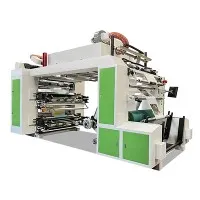
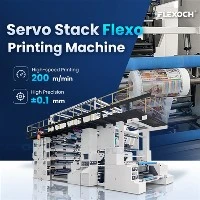
Before we explore the effects of temperature, let's briefly understand what stack flexo printing is. Stack flexo printing is a widely used printing process that involves multiple printing units stacked vertically. Each unit is responsible for applying a different color to the substrate. This method is known for its versatility, speed, and ability to print on a variety of materials, including paper, plastic, and cardboard.
Our company offers a range of stack flexo printing machines, including the Slitter Stack Type Flexo Printing Machine, Wide Web Flexo Printing Machine, and Pp Woven Bag Printing Machine. These machines are designed to meet the diverse needs of our customers and deliver high-quality prints.
The Impact of Temperature on Ink Viscosity
One of the most significant effects of temperature on stack flexo printing is its impact on ink viscosity. Ink viscosity refers to the thickness or resistance to flow of the ink. As the temperature changes, the viscosity of the ink also changes. Generally, as the temperature increases, the ink viscosity decreases, making the ink flow more easily. Conversely, as the temperature decreases, the ink viscosity increases, making the ink thicker and more difficult to flow.
In stack flexo printing, maintaining the proper ink viscosity is crucial for achieving consistent print quality. If the ink viscosity is too low, the ink may spread too much on the substrate, resulting in blurred or smudged prints. On the other hand, if the ink viscosity is too high, the ink may not transfer evenly from the printing plate to the substrate, leading to poor print coverage and color density.
To ensure optimal ink viscosity, it's important to control the temperature of the printing environment. Most ink manufacturers provide recommended temperature ranges for their inks. By maintaining the temperature within these ranges, you can ensure that the ink flows smoothly and transfers evenly onto the substrate, resulting in high-quality prints.
Temperature and Drying Time
Another important aspect of stack flexo printing affected by temperature is the drying time of the ink. The drying time refers to the time it takes for the ink to dry on the substrate after it has been printed. Temperature plays a significant role in determining the drying time of the ink.
In general, higher temperatures accelerate the drying process, while lower temperatures slow it down. When the temperature is too low, the ink may take longer to dry, which can lead to issues such as smudging, blocking, and poor adhesion. On the other hand, if the temperature is too high, the ink may dry too quickly, causing problems such as ink cracking, poor color development, and reduced print durability.
To achieve the optimal drying time, it's important to find the right balance between temperature and humidity. In addition to controlling the temperature of the printing environment, you can also use drying systems such as infrared dryers or hot air dryers to speed up the drying process. These systems can help ensure that the ink dries quickly and evenly, resulting in high-quality prints.


Temperature and Substrate Properties
Temperature can also have an impact on the properties of the substrate used in stack flexo printing. Different substrates have different temperature sensitivities, and changes in temperature can cause the substrate to expand, contract, or warp.
For example, plastic substrates are more sensitive to temperature changes than paper substrates. When the temperature increases, plastic substrates may expand, which can lead to registration problems and poor print quality. On the other hand, when the temperature decreases, plastic substrates may contract, causing the printed image to distort or crack.
To minimize the impact of temperature on the substrate, it's important to choose the right substrate for the printing job and to control the temperature of the printing environment. In addition, you can also use pre-treatment processes such as corona treatment or flame treatment to improve the adhesion of the ink to the substrate and reduce the risk of substrate deformation.
Temperature and Printing Press Performance
Finally, temperature can also affect the performance of the printing press itself. Stack flexo printing presses are complex machines that rely on precise mechanical and electrical components to operate. Changes in temperature can cause these components to expand or contract, which can affect the alignment and performance of the press.
For example, high temperatures can cause the bearings and gears in the press to expand, which can lead to increased friction and wear. This can result in reduced press performance, increased maintenance costs, and shorter press lifespan. On the other hand, low temperatures can cause the lubricants in the press to thicken, which can also affect the performance of the press.
To ensure the optimal performance of the printing press, it's important to maintain the temperature of the printing environment within the recommended range. In addition, you should also follow the manufacturer's guidelines for maintenance and lubrication to ensure that the press operates smoothly and efficiently.
Conclusion
In conclusion, temperature plays a crucial role in stack flexo printing. It affects the viscosity of the ink, the drying time of the ink, the properties of the substrate, and the performance of the printing press. By understanding the effects of temperature on stack flexo printing and taking appropriate measures to control the temperature of the printing environment, you can ensure that you achieve high-quality prints consistently.
As a stack flexo printing machine supplier, we understand the importance of temperature control in achieving optimal print quality. That's why our machines are designed to operate in a wide range of temperatures and are equipped with advanced temperature control systems to ensure consistent performance.
If you're interested in learning more about stack flexo printing or our range of printing machines, please don't hesitate to contact us. We'd be happy to discuss your specific needs and help you find the right solution for your business.
References
- "Flexographic Printing Handbook" by Miles River Press
- "Printing Ink Technology" by Leach and Pierce
- "Substrate Materials for Printing" by Wiley