Hey there! As a supplier of CI presses, I've dealt with all the ins and outs of transporting these hefty machines. CI presses, or Central Impression Flexo Presses, are pretty advanced in the printing world, and getting them from our place to yours in one piece is super important. So, let's dig into how we can make that happen smoothly.
Pre - Transport Planning
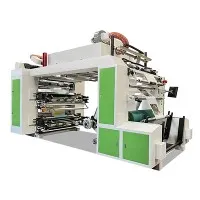
First things first, we've got to do some solid planning. Planning is the key to any successful transportation project, and moving a CI press is no exception. When we receive an order, the first step is to assess the press model. CI presses come in different sizes and configurations. For example, a Paper Flexo Printing Machine might have a different layout and weight compared to a PE Film Flexo Printing Machine.
We need to know the exact dimensions and weight of the press. Why? Well, it helps us choose the right transport method. If it's a smaller model, it might fit in a standard freight truck. But for the larger and heavier Central Impression Flexo Press, we might have to go for a specialized transport with larger capacity and more stability.
Another crucial part of planning is the route. We look at the best way to get the press from our factory to your location. We consider things like road conditions, traffic patterns, and any potential obstacles on the way. For long - distance transport, we also think about rest stops for the drivers and how to handle overnight stays.
Disassembly (If Necessary)
Sometimes, disassembling the CI press is a good idea, especially if it's going to be shipped overseas or over a very long distance. But don't worry, we've got this down to a science. We start by taking detailed notes and pictures of how everything is connected. This way, when it's time to reassemble at your end, it's like following a well - documented guide.
We focus on disassembling the parts that are most vulnerable during transport. For instance, the printing cylinders and sensitive control panels are carefully removed and packed separately. When we disassemble the press, we make sure to label each part clearly. This labeling system makes it easy to identify and organize the parts during reassembly.
Packaging
Once the press is either fully assembled or disassembled, it's time for packaging. We use high - quality packaging materials to protect the CI press from damage. For the metal parts, we wrap them in a special anti - rust film to prevent corrosion during transit.
The larger components are placed in custom - made wooden crates. These crates are designed to fit the parts snugly, minimizing movement and reducing the risk of damage. Inside the crates, we add shock - absorbing materials like foam and bubble wrap.
The smaller and more delicate parts, such as the electronic circuits and small gears, are placed in sealed plastic containers. These containers are then placed in labeled boxes with additional padding for extra protection.
 Heating and Drying Unit
 Unwinding Unit
Choosing the Right Transport Method
As I mentioned before, the size and weight of the CI press determine the transport method.
Road Transport
If the destination is within a reasonable driving distance, road transport is often our first choice. Road transport offers flexibility, as we can directly deliver the press to your doorstep. We use flat - bed trucks or specialized trailers for this purpose. The trucks are equipped with tie - down mechanisms to secure the press during the journey. The drivers are experienced and well - trained in handling heavy loads, so you can rest assured that your press is in good hands.
Rail Transport
For longer distances within the country, rail transport can be a great option. Trains can carry large and heavy loads more efficiently than trucks. We work with reliable rail freight companies to ensure that the press is properly loaded and secured on the train cars. Rail transport also has the advantage of being less affected by traffic congestion compared to road transport.
Sea Transport
If you're overseas, sea transport is the way to go. We use shipping containers for this. The containers are designed to protect the press from the elements and the rigors of the sea. We make sure that the press is firmly secured inside the container, and we also take precautions against moisture and saltwater damage. Shipping companies have strict safety and handling procedures, which gives us confidence that the press will reach you safely.


Tracking and Monitoring
Once the CI press is on its way, we don't just sit back and wait. We use advanced tracking systems to monitor the press's journey. This allows us to keep you updated on its location and estimated arrival time.
If there are any delays or issues along the way, we're on top of it. We work with the transport companies to find solutions as quickly as possible. Whether it's a traffic jam on the road, a scheduling change on the train, or a weather - related delay at sea, we'll communicate with you every step of the way.
Reassembly and Installation
When the CI press arrives at your location, we're here to help with the reassembly and installation process. Our team of experts can either come to your place or provide remote support. We'll make sure that the press is put back together correctly and installed in your facility according to the specifications.
We'll also train your staff on how to operate and maintain the CI press. This ensures that you can start using it right away and keep it in good working condition for years to come.
Video Introduction
Conclusion
Transporting a CI press is a complex process, but with proper planning, the right packaging, a suitable transport method, and ongoing monitoring, we can make it a hassle - free experience for you. Whether you're looking for a Paper Flexo Printing Machine, a PE Film Flexo Printing Machine, or a Central Impression Flexo Press, we've got the expertise to get it to you safely.
If you're interested in purchasing a CI press or have any questions about the transportation process, don't hesitate to reach out. We're here to discuss your needs, provide you with a quote, and ensure that you get the best printing solution for your business.
References
- Industry best practices in heavy machinery transportation
- Manufacturer's guidelines for CI press disassembly and assembly
- Transport company safety and handling procedures