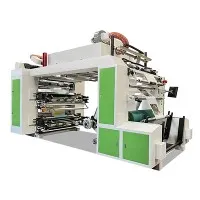
How to reduce the noise level of a gearless flexo printing press?
As a long - standing gearless flexo printing press supplier, we've witnessed numerous challenges that printers face, and one of the most persistent issues is excessive noise from the machines. High noise levels not only create an unpleasant working environment but can also lead to potential health hazards for operators over the long term. Moreover, in an industrial setting, noise can disrupt nearby operations and might even be subject to local noise regulations. In this post, we'll explore effective strategies to reduce the noise level of a gearless flexo printing press.

1. Understanding the Sources of Noise in Gearless Flexo Printing Presses
Before we can address noise reduction, it's crucial to understand where the noise comes from. In gearless flexo printing presses, several components are potential noise sources:
- Motor and Drive Systems: The motors that power the press, along with the associated drive systems, generate significant noise due to mechanical vibrations during operation. High - speed electric motors, in particular, can produce a considerable amount of humming and buzzing sounds.
- Shaft and Bearing Friction: The rotating shafts and bearings in the press can cause friction. As they spin, the interaction between the moving parts generates noise. If the bearings are worn or not properly lubricated, this noise can be exacerbated.
- Printing Cylinder Movements: The movement of printing cylinders, especially during the start - stop cycles and high - speed printing, creates mechanical noise. The impact between cylinders and the materials they are in contact with can also contribute to the overall noise level.
2. Equipment Design and Layout Modifications
-
Vibration Isolation: Install vibration - isolation pads or mounts beneath the press. These pads can absorb and dampen the vibrations generated by the motor and other moving parts, preventing them from being transmitted to the floor and surrounding structures. For example, rubber or neoprene pads with high - vibration absorption properties can be effectively used. This reduces the structural noise that can propagate through the building.
-
Enclosure Design: Consider designing or retrofitting an acoustic enclosure around the press. The enclosure should be made of sound - absorbing materials such as acoustic foam panels and heavy - duty sound - insulated sheets. However, when designing the enclosure, access for maintenance and operation needs to be carefully considered. A well - designed enclosure can significantly reduce the noise level reaching the operator's position and the surrounding environment.
-
Shaft and Bearing Upgrade: Use high - precision shafts and bearings. High - quality bearings with low - friction coefficients can reduce the noise generated by rotational movement. Regularly lubricate the bearings as per the maintenance schedule to ensure smooth operation and further noise reduction.
-
Material Feeding Diagram

3. Maintenance and Regular Checks
- Tightening Loose Parts: Periodically check and tighten all the loose nuts, bolts, and fasteners on the press. Loose parts can cause rattling and additional noise during operation. A simple inspection and tightening routine can prevent these minor issues from escalating into major noise problems.
- Belt Tension Adjustment: If the press uses belts for power transmission, ensure that the belts are properly tensioned. Over - or under - tensioned belts can cause noise and also affect the performance of the press. Use a belt tension gauge to measure and adjust the tension accurately.
- Cleaning and Debris Removal: Keep the press clean and free of debris. Accumulated dirt, ink residues, and other foreign materials can interfere with the smooth operation of the moving parts, leading to increased noise. Regular cleaning of critical components such as cylinders, rollers, and drive systems can help maintain a quiet operation.
Video introduction
4. Operator Training and Best Practices
- Proper Startup and Shutdown Procedures: Train operators on the correct startup and shutdown procedures. Abrupt starts and stops can cause unnecessary stress on the machine and generate more noise. A smooth and gradual startup can reduce the impact on the motor and other mechanical components.
- Optimal Operating Speeds: Educate operators about the optimal operating speeds of the press. Running the press at excessive speeds can increase noise levels. Monitoring and maintaining the advised speed range can help in noise reduction while ensuring efficient printing.
5. Utilizing Advanced Technologies
- Variable Frequency Drives (VFDs): Install VFDs for the motors. VFDs can control the speed of the motor more precisely, allowing for a more smooth and controlled operation. By adjusting the motor speed according to the printing requirements, the noise generated by the motor can be reduced.
- Noise - Canceling Systems: Some advanced noise - canceling technologies can be applied to the press. These systems work by emitting sound waves that are out of phase with the noise generated by the press, thereby canceling out a significant portion of the unwanted sound. However, the implementation of such systems requires careful consideration of the press's specific noise frequencies.
6. Case Studies and Success Stories
We've helped numerous customers reduce the noise levels of their gearless flexo printing presses. For example, one of our clients, a packaging printing company, was facing complaints from its employees about the loud noise in the workshop. After a comprehensive assessment, we recommended installing acoustic enclosures and upgrading the bearings. The results were remarkable-the noise level dropped by almost 30%, and the working environment became much more comfortable. Our client also reported an increase in operator satisfaction and a decrease in the number of noise - related health issues.


Conclusion
Reducing the noise level of a gearless flexo printing press is a multi - faceted process that requires a combination of equipment design modifications, regular maintenance, operator training, and the use of advanced technologies. By implementing these strategies, you can not only improve the working environment but also extend the lifespan of your printing press and enhance overall productivity.
If you are interested in learning more about how to optimize the performance of your gearless flexo printing press, including noise reduction solutions, please feel free to reach out to us. We, as a trusted [Your Supplier Status] in the industry, can provide you with tailored advice and products. Additionally, if you're exploring different types of flexo printing presses, you may find these links useful:
Contact us today to discuss your needs and explore potential solutions for your printing operations. Let's work together to create a quieter and more efficient printing environment.
References
- "Handbook of Noise and Vibration Control" by Cyril M. Harris
- "Industrial Noise Control and Acoustics" by Clarence W. Harris
- Industry reports on flexo printing press technology and maintenance